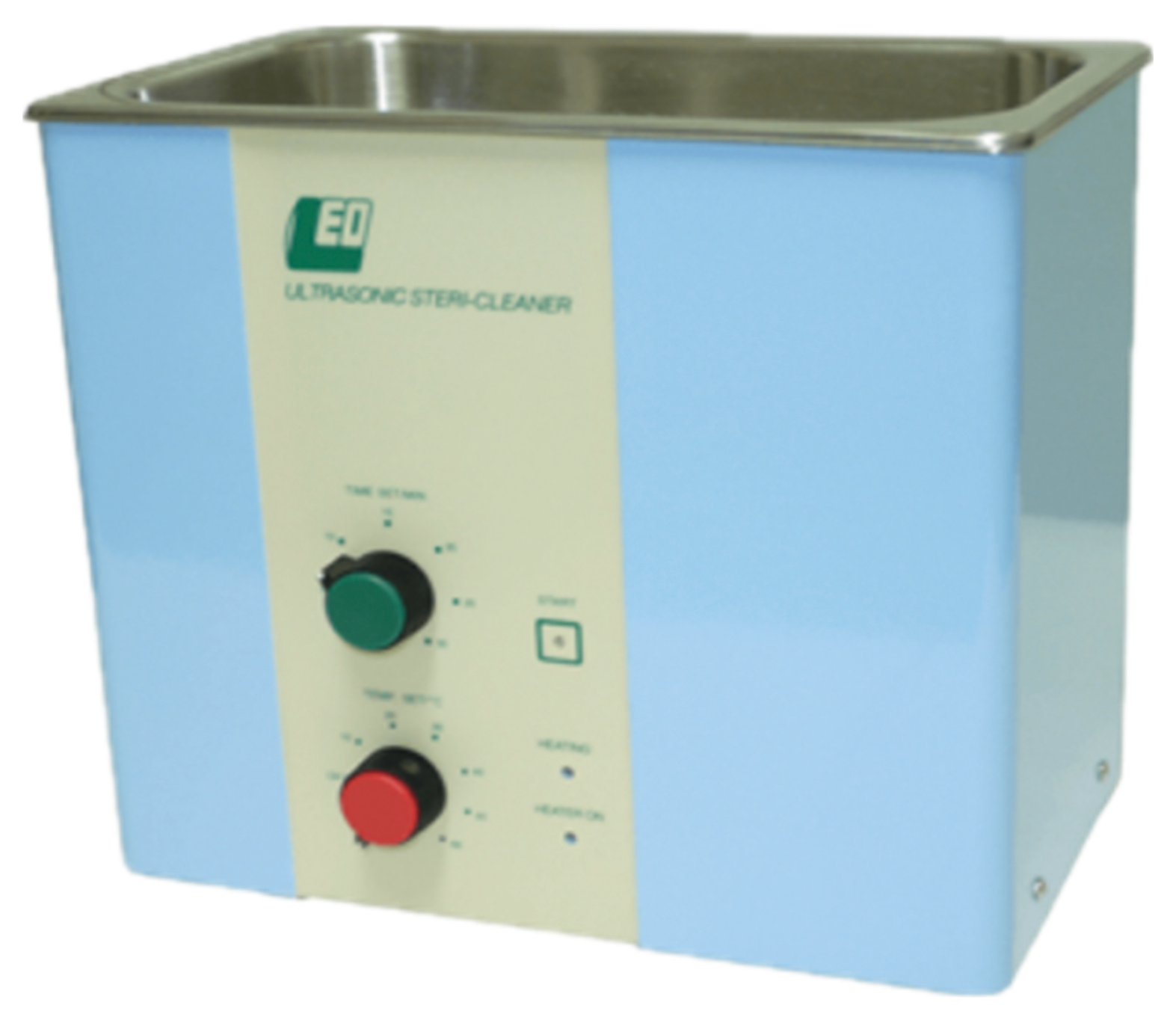
LEO-100 Series
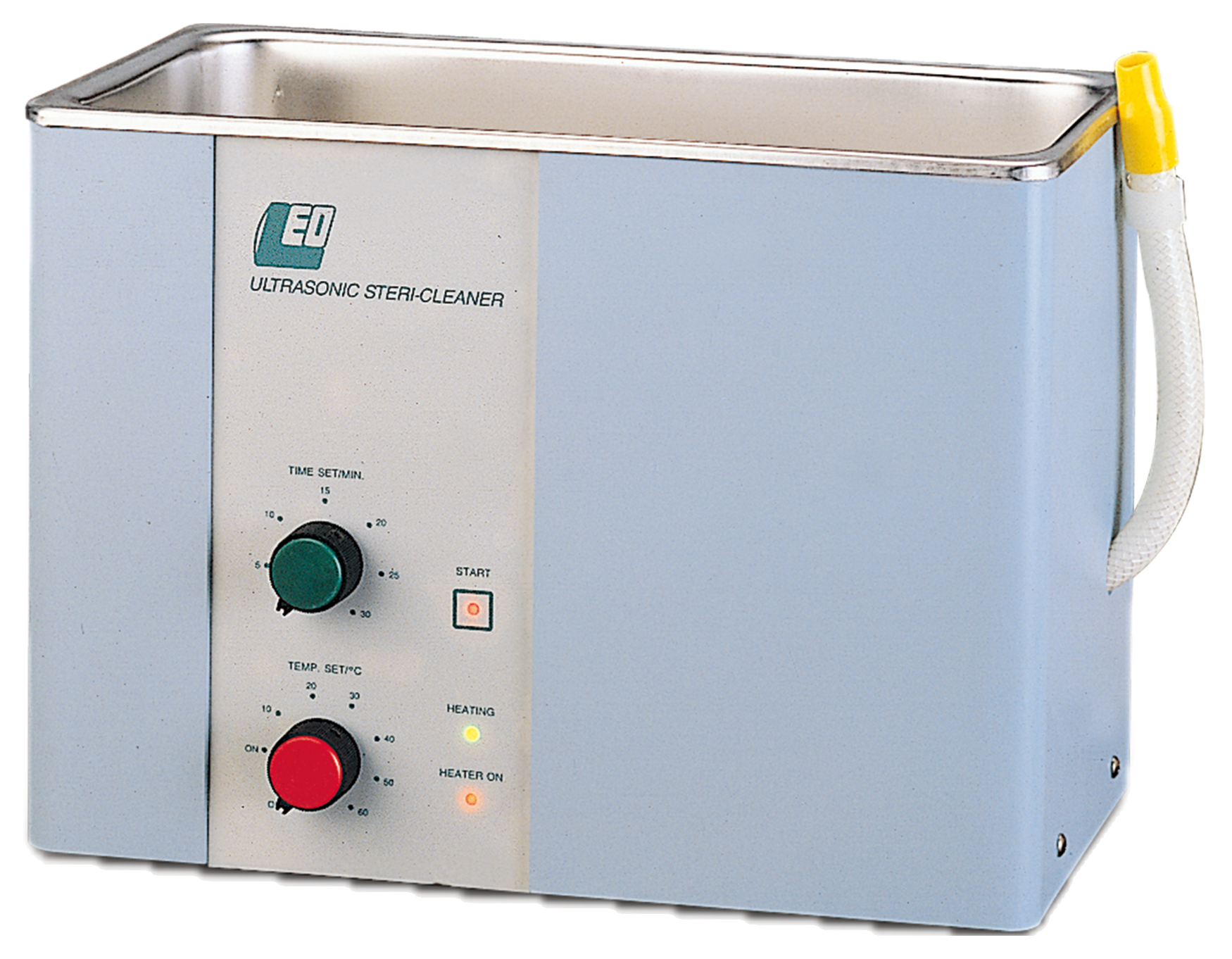
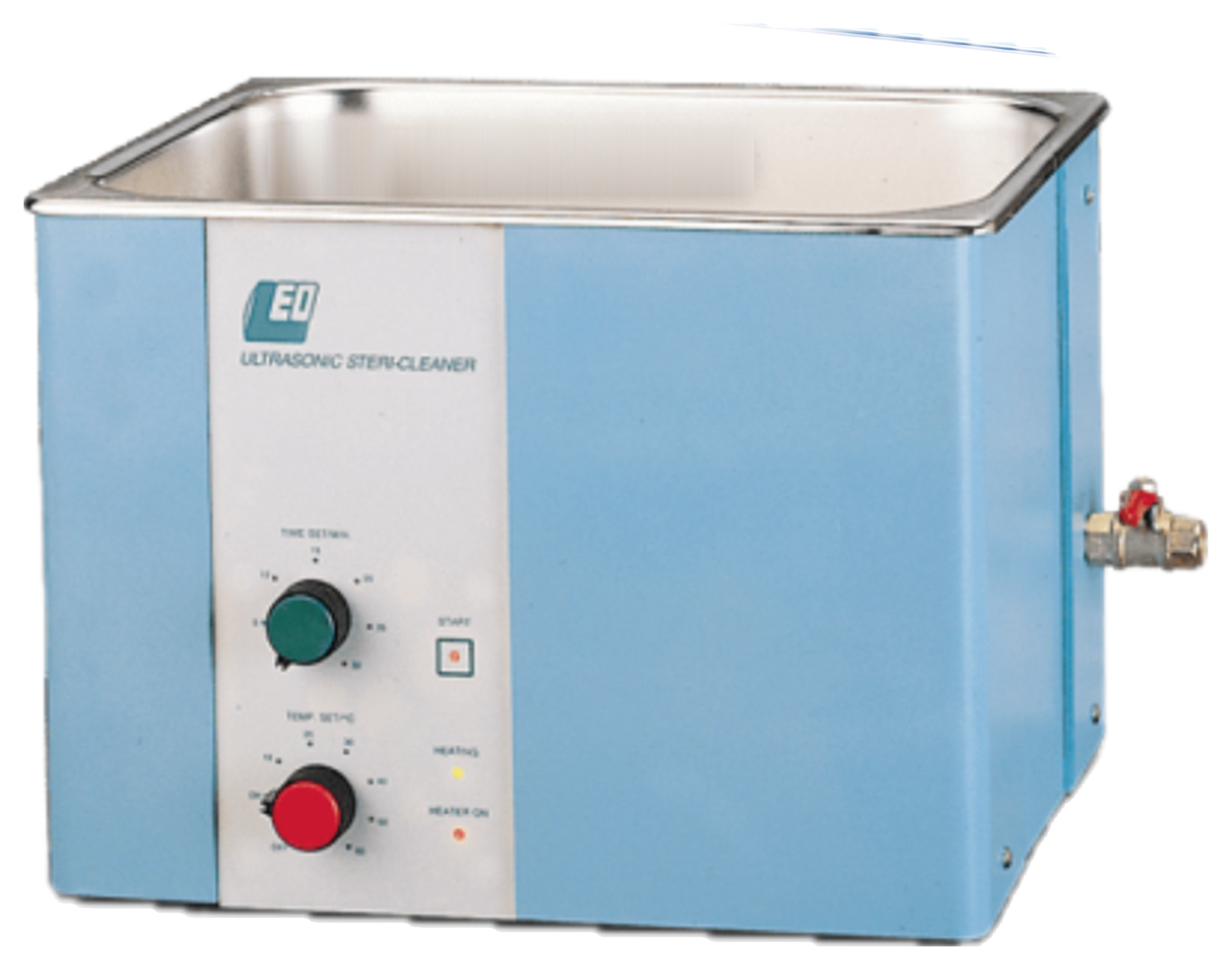
A 3 L benchtop ultrasonic cleaner with dial timer, temperature control and a 200 W heater, for laboratories, optical shops, the jewellery trade and dental practices.
- Tank Capacity
- 3L
- Ultrasonic Frequency
- 40/46kHz
- Ultrasonic Power
- 100W
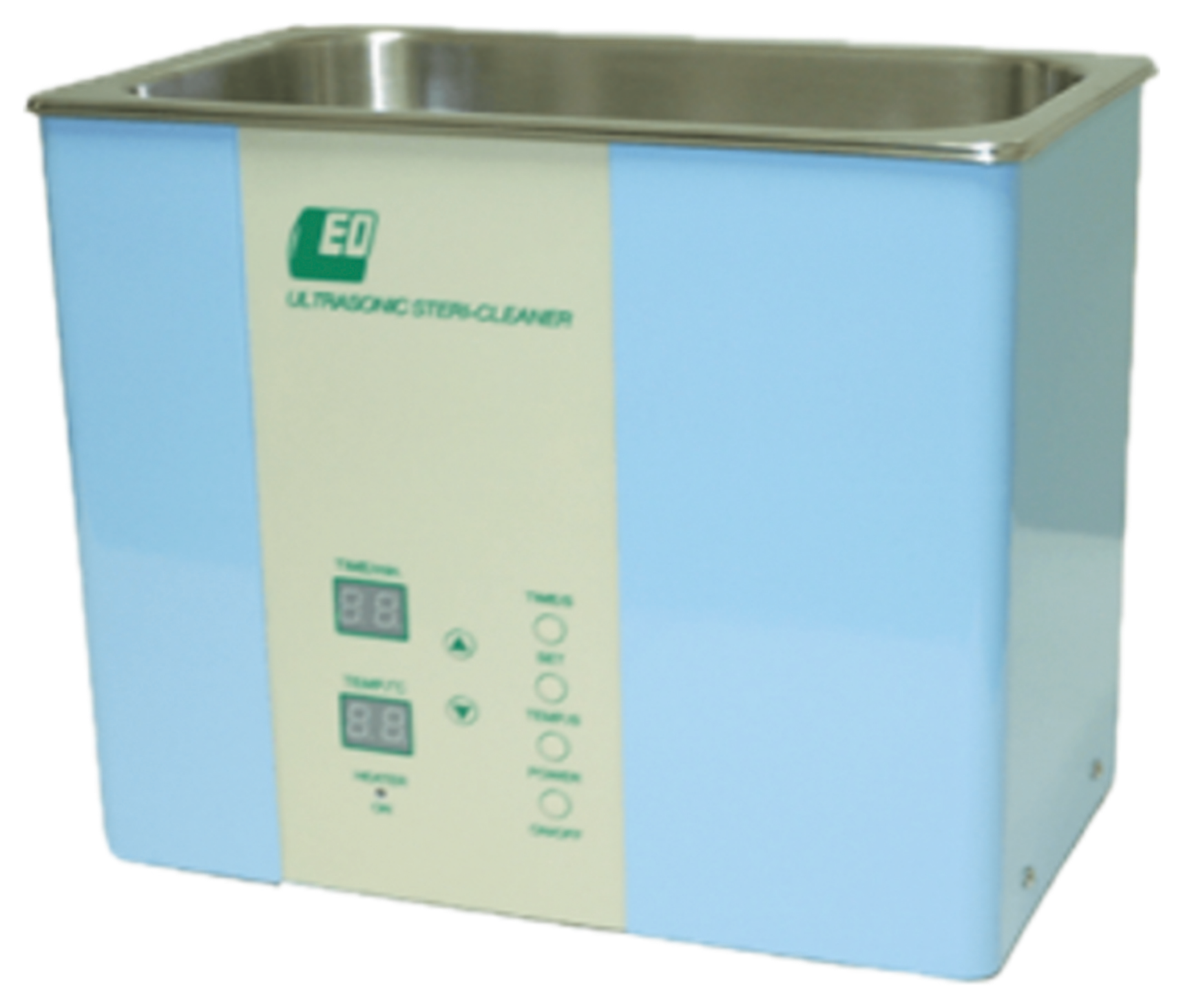
40 kHz is the general-purpose band and the one most of the range runs at. It is aggressive enough for machining oil and flux and gentle enough for most assembled parts, which is why a shop that runs one frequency usually runs this one.

A 3 L benchtop ultrasonic cleaner with dial timer, temperature control and a 200 W heater, for laboratories, optical shops, the jewellery trade and dental practices.

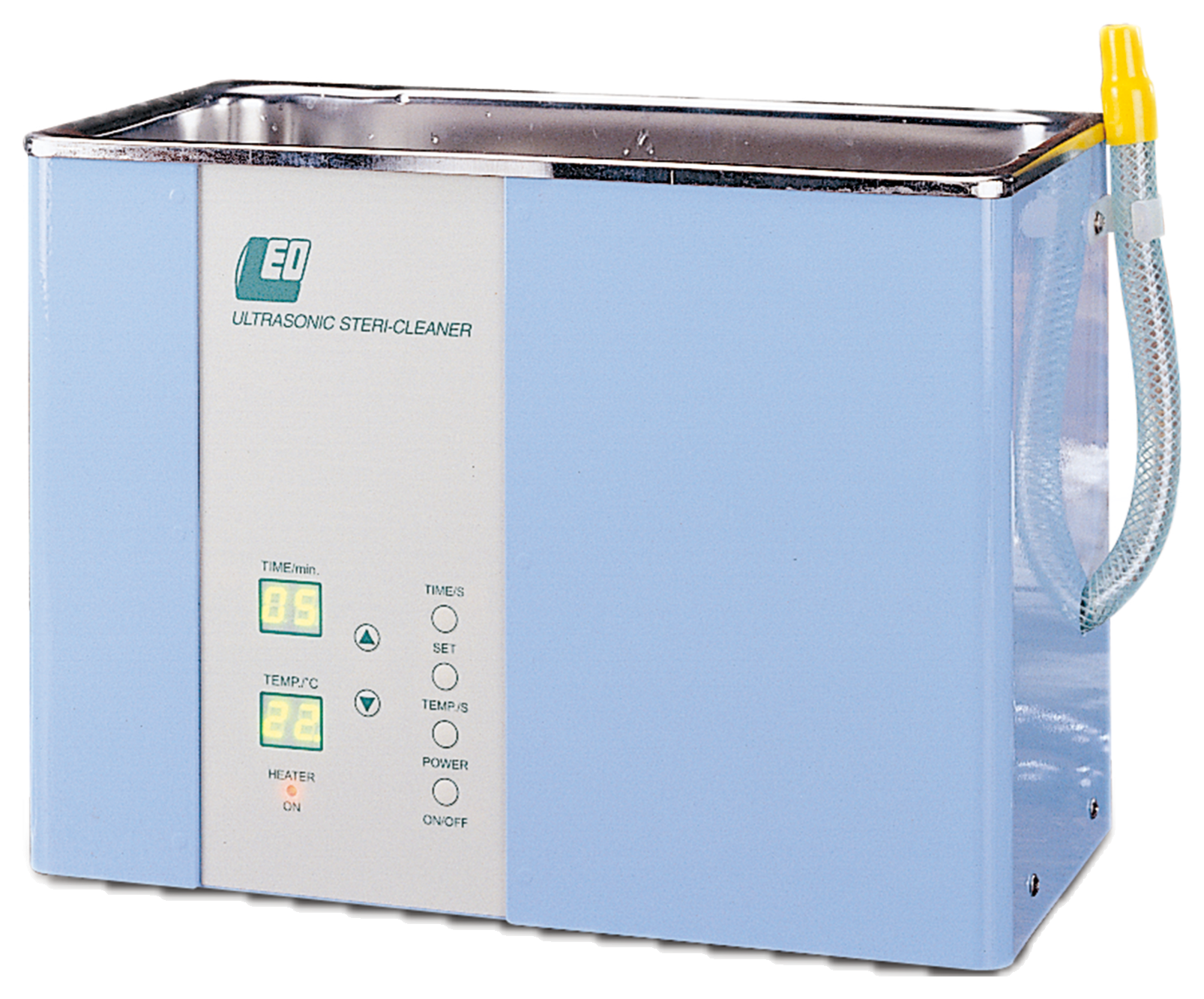
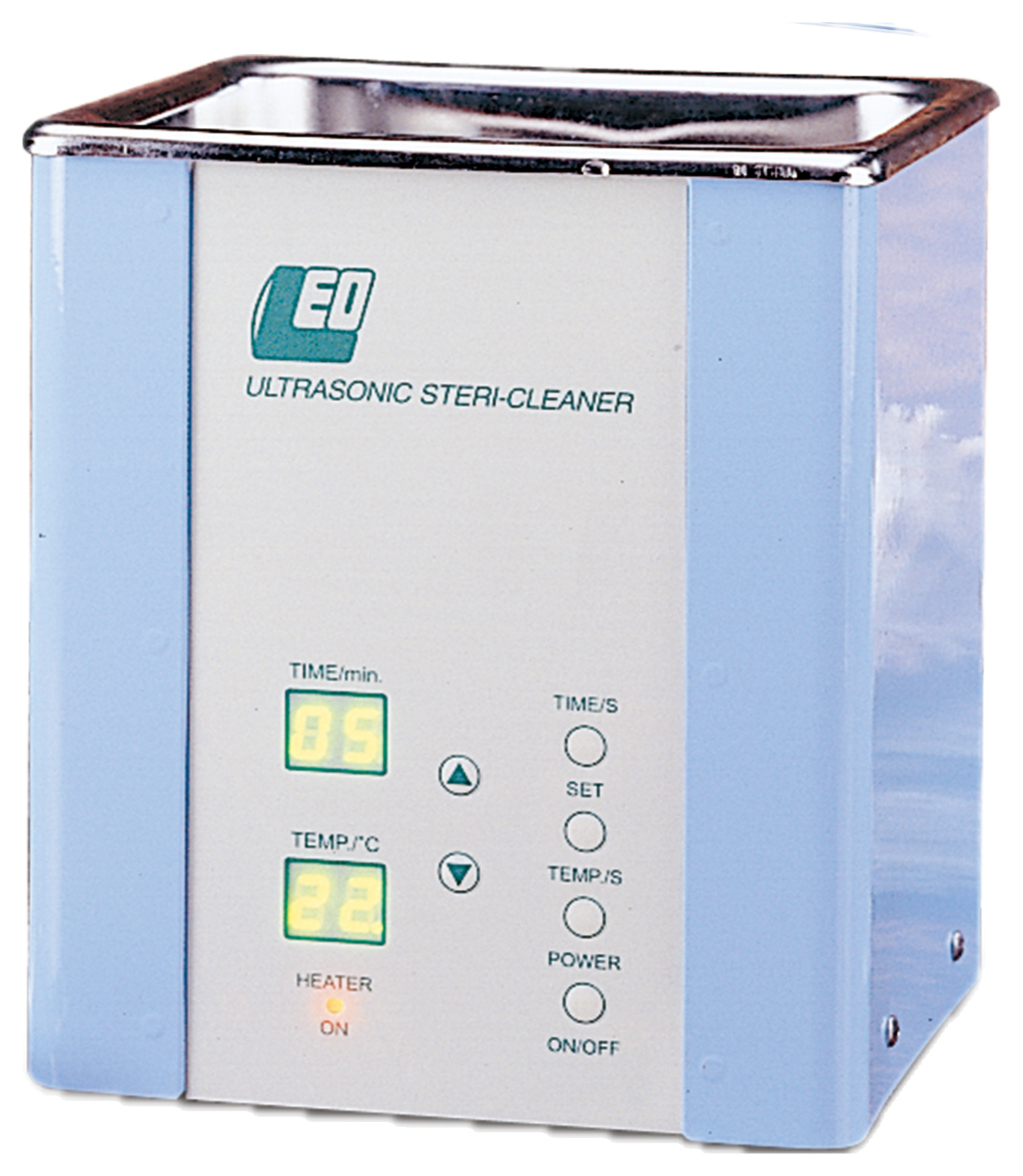
A 3 L benchtop ultrasonic cleaner with digital timer and temperature control, available at 40 or 120 kHz, for laboratories, optical shops, the jewellery trade and dental practices.

A 4.5 L benchtop ultrasonic cleaner with dial timer, temperature control and a 200 W heater, for laboratories, optical shops, the jewellery trade and dental practices.

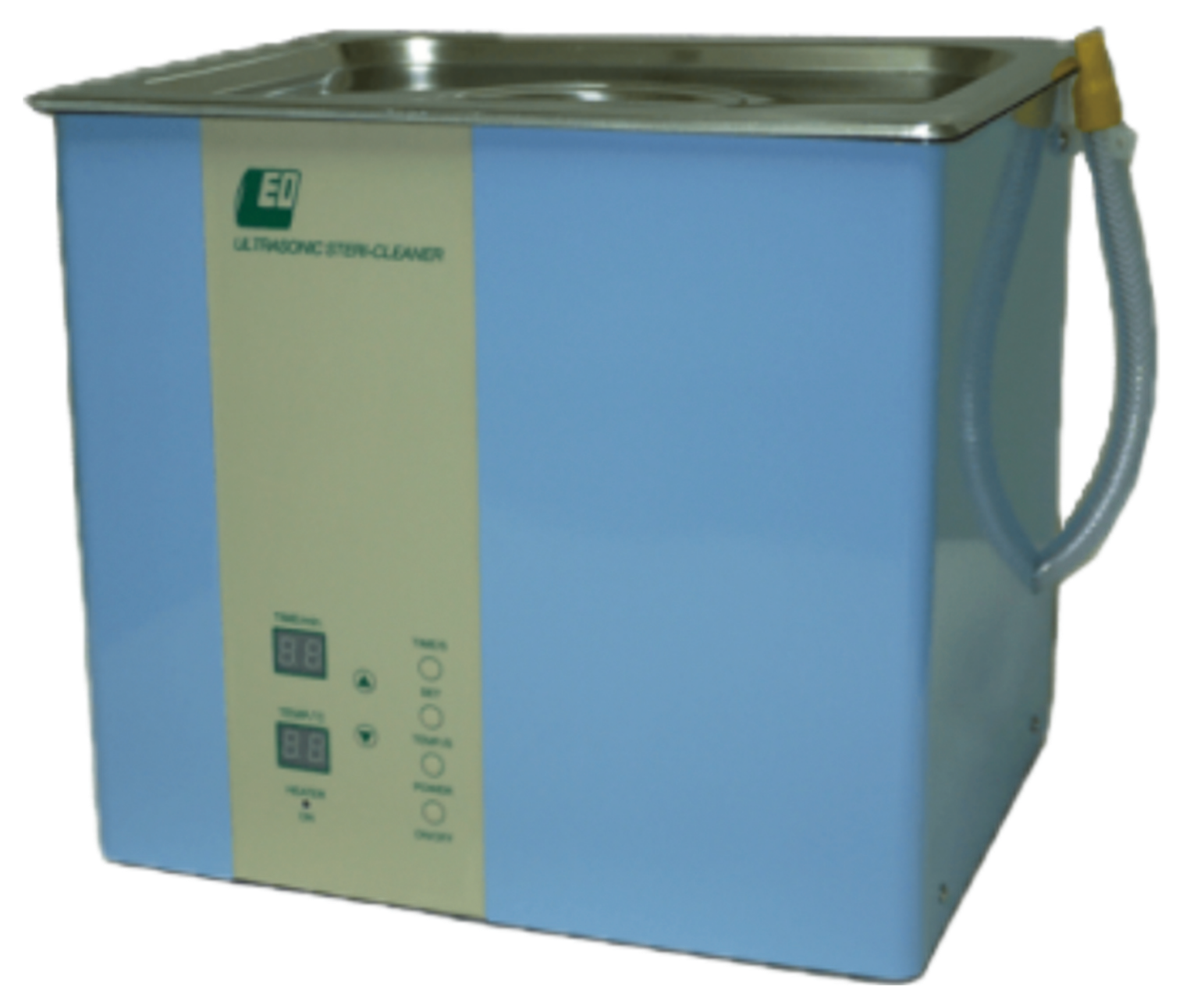
A 4.5 L benchtop ultrasonic cleaner with digital timer and temperature control, available at 40 or 120 kHz, for laboratories, optical shops, the jewellery trade and dental practices.

A 6 L benchtop ultrasonic cleaner at 40 kHz with 200 W of ultrasonic power, digital timer and temperature control, for laboratories and dental practices.

A 10.5 L benchtop ultrasonic cleaner at 40 or 120 kHz with 300 W of ultrasonic power, for laboratories, 3D printing, wafer and semiconductor work, and dental practices.

A 22 L benchtop ultrasonic cleaner at 40 or 120 kHz, with 400 W of ultrasonic power and a 400 W heater, for electronics, 3D printing, wafer and semiconductor work, and bicycle, motorcycle and car servicing.

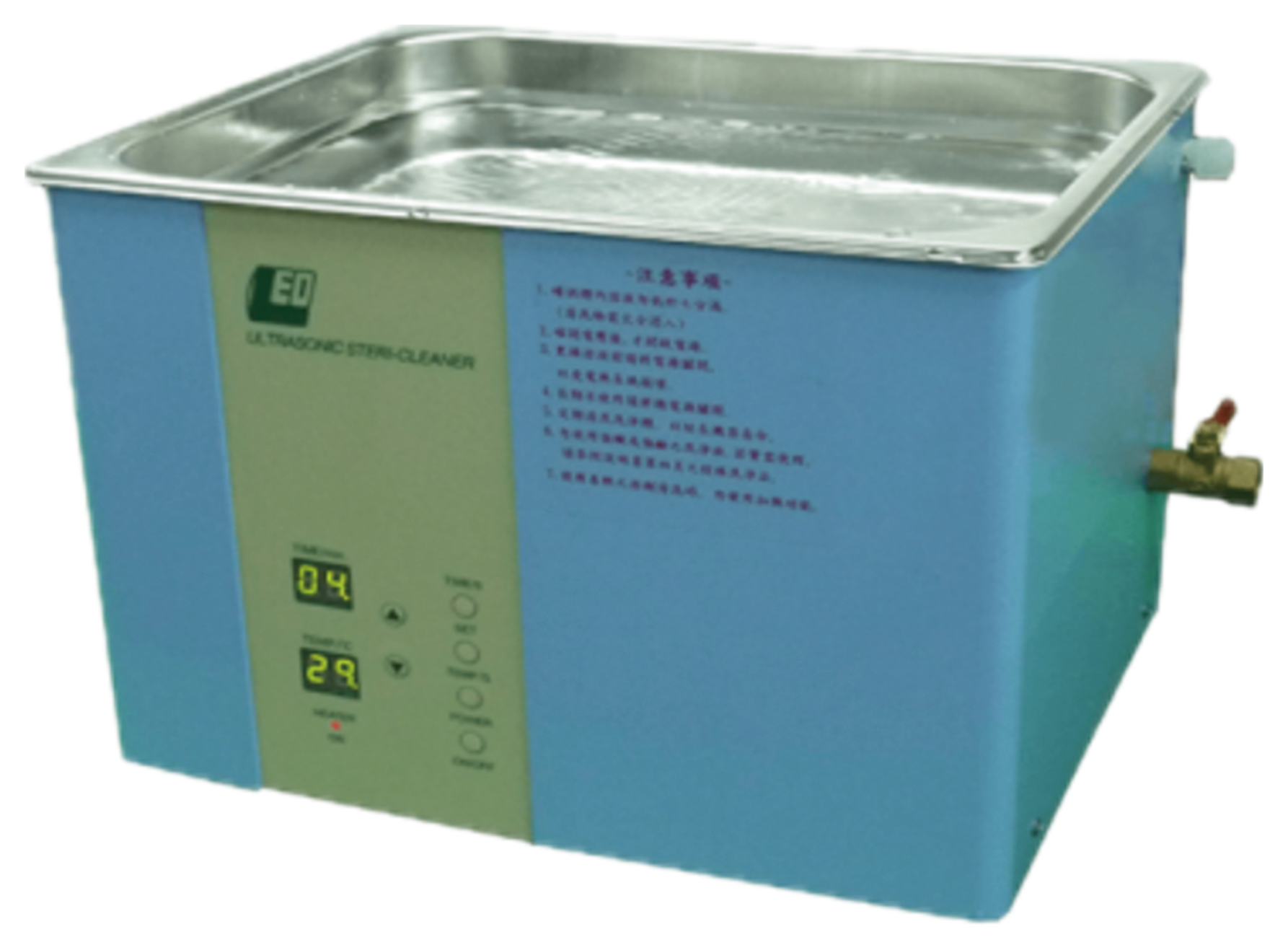
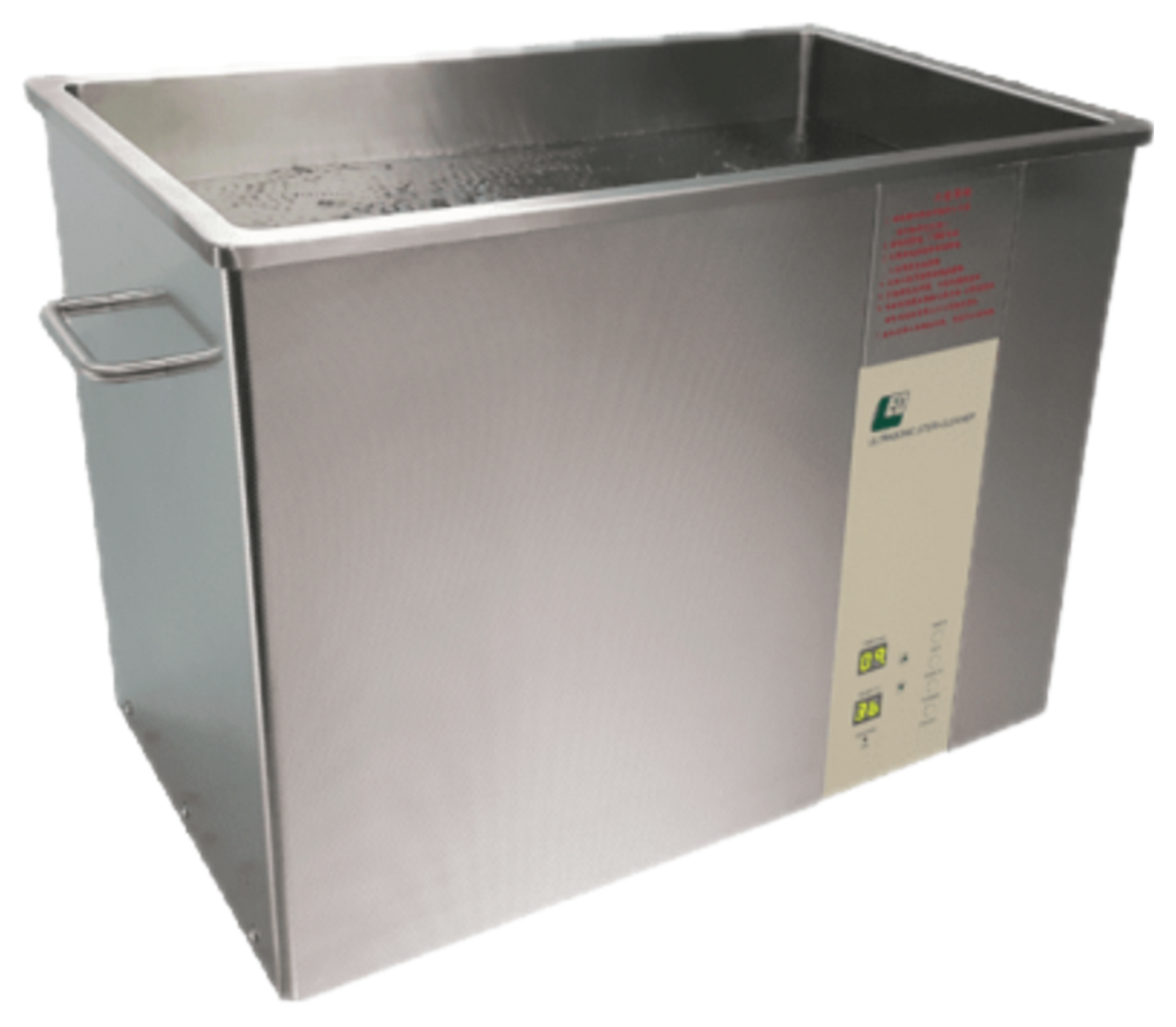
A 29 L commercial ultrasonic cleaner built in stainless steel throughout, at 28 / 40 / 120 kHz with 600–900 W of ultrasonic power, for electronics, 3D printing, vehicle servicing and metal stamping and machining.

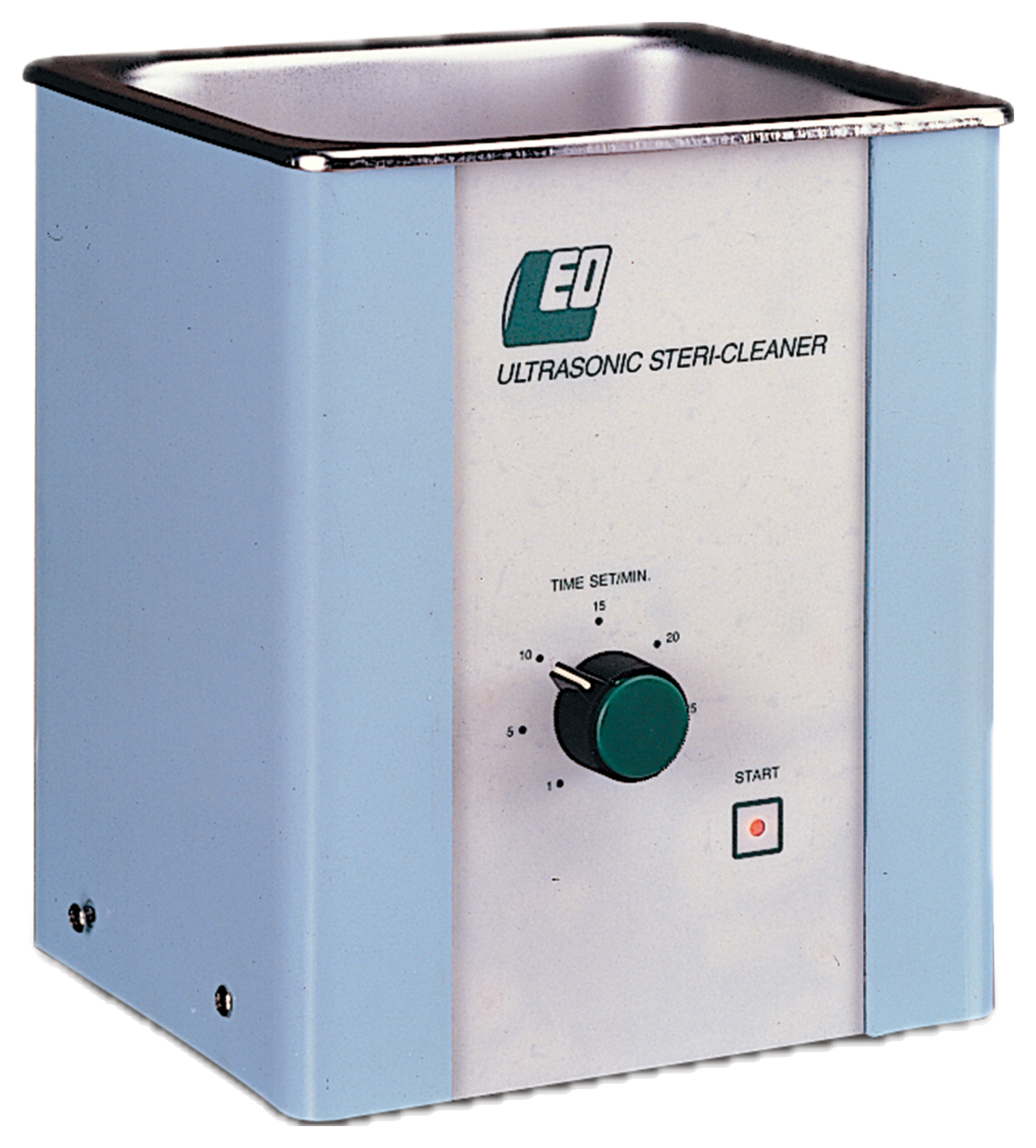
A 2 L benchtop ultrasonic cleaner with a dial timer and no heater, for optical shops and the jewellery trade.

A 2 L benchtop ultrasonic cleaner with digital timer, temperature control and a 50 W heater, available at 40 or 120 kHz, for laboratories, optical shops and the jewellery trade.

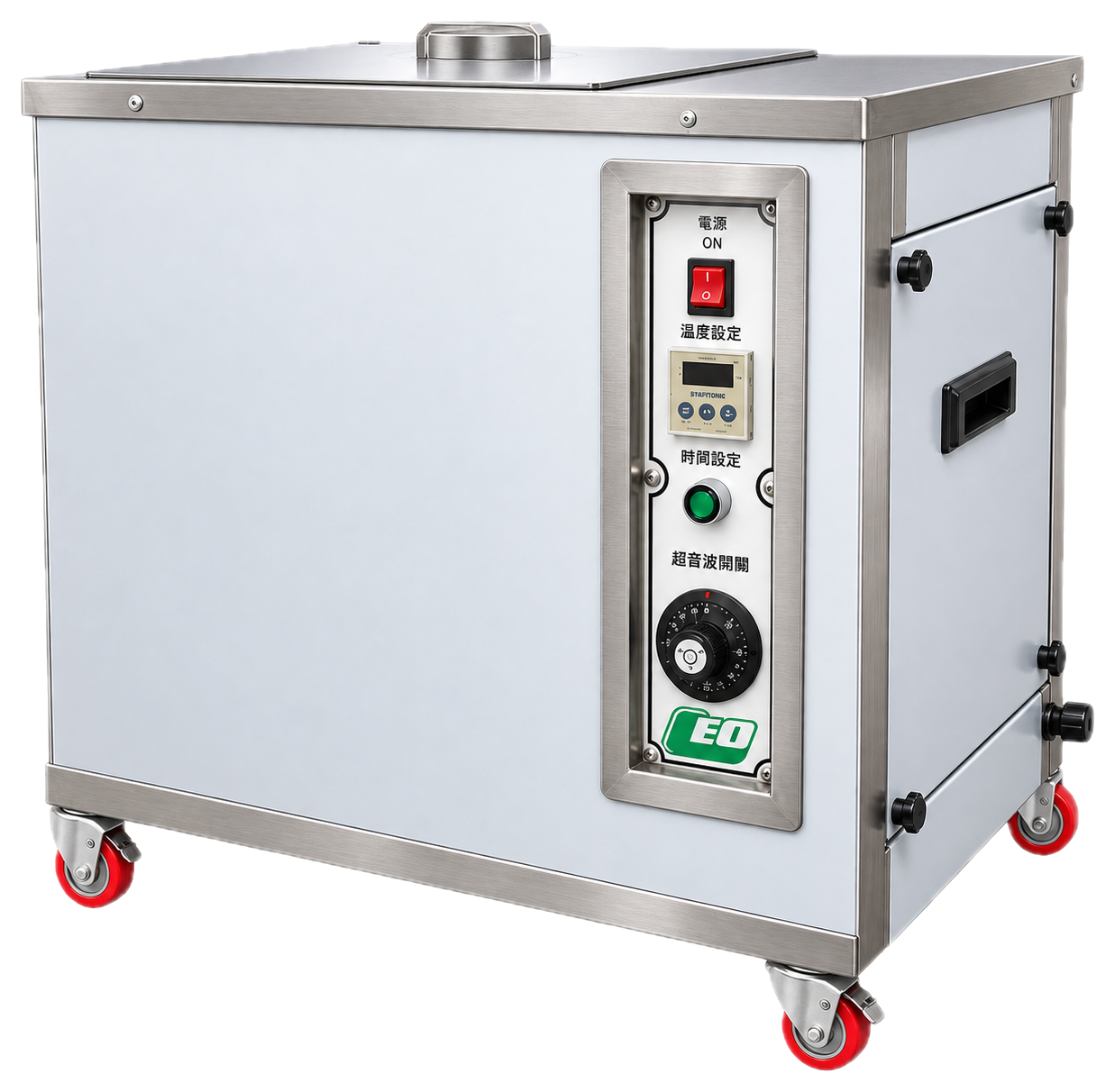
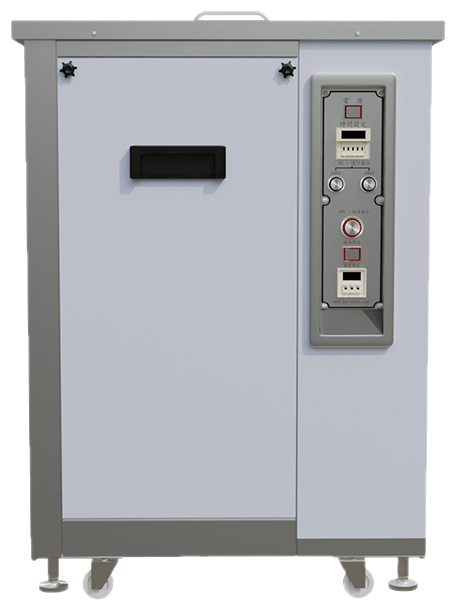
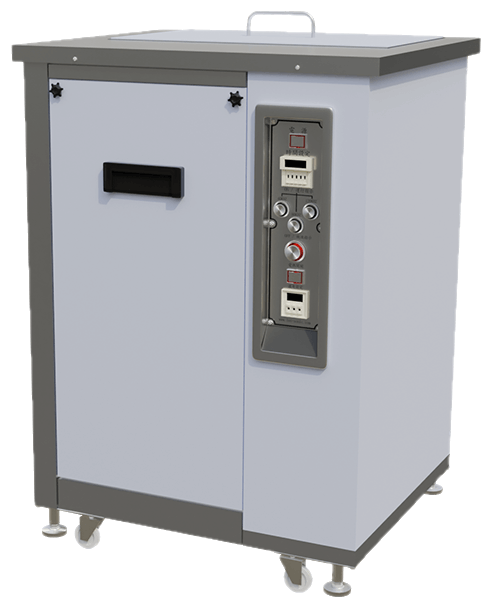
Custom single tank ultrasonic cleaner entrusts LEO Ultrasonic. We provide customized industrial ultrasonic cleaning machines for all walks of life to solve factory cleaning problems for you. Welcome contact us!

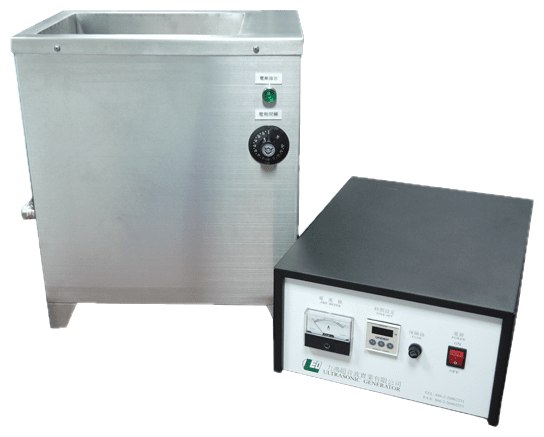
A single-tank ultrasonic cleaner with the generator separated from the tank and joined by a high-frequency connector, which makes it easier to install, use and service. High ultrasonic output for pre-plating cleaning, watch parts, and hardware and machined components.

Enhance your industrial cleaning with LEO dual-frequency single tank ultrasonic cleaner. This integrated single tank ultrasonic cleaning machine is perfect for heavy industry, electronics, and medical devices, delivering precision and efficiency.

Optimize cleaning with LEO single tank ultrasonic cleaning machine featuring three frequencies (40, 80, 120 kHz). Our three frequencies single tank ultrasonic cleaner is perfect for metal parts to sensitive optics, ensuring versatile and precise results.

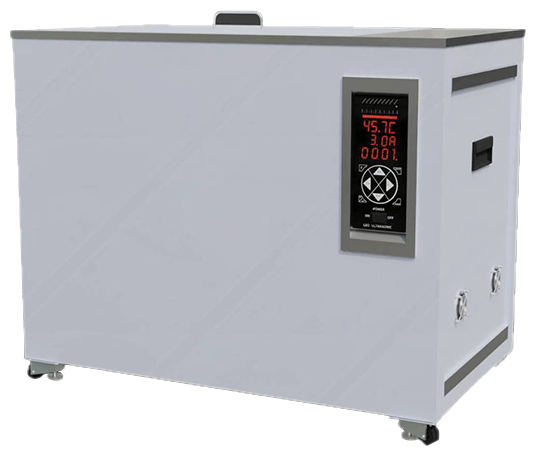
LEO intelligent single tank ultrasonic cleaning machine, ideal for medical and manufacturing sectors. Our single tank ultrasonic cleaner are reliable and customizable, it optimizes your cleaning processes effortlessly.

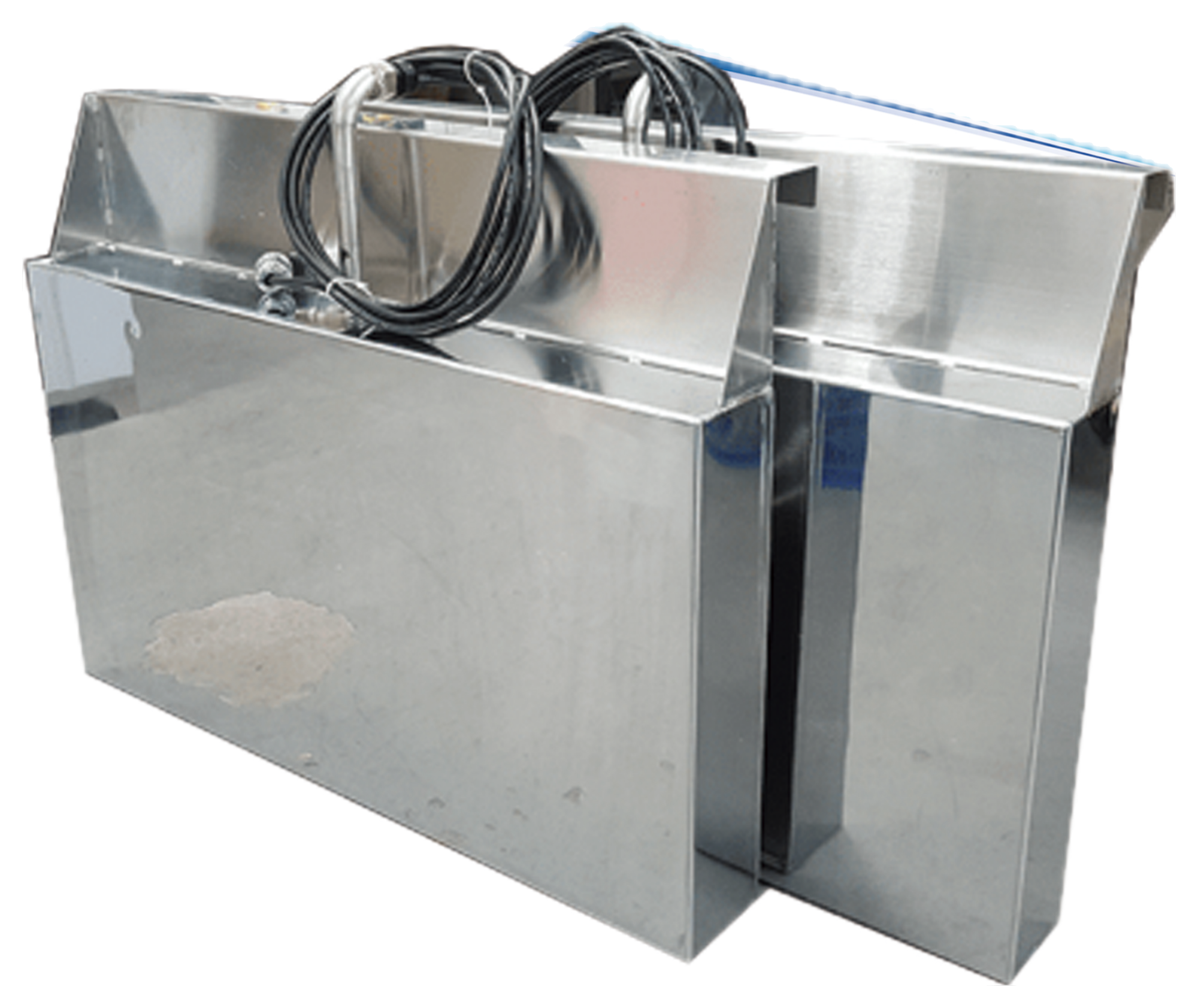
A transducer box and generator that convert an existing tank into an ultrasonic cleaner. The box mounts on the bottom, side or top to suit the tank, is built in stainless steel for acid and alkali resistance, and separates from the generator at a high-frequency cable connector for easier service.

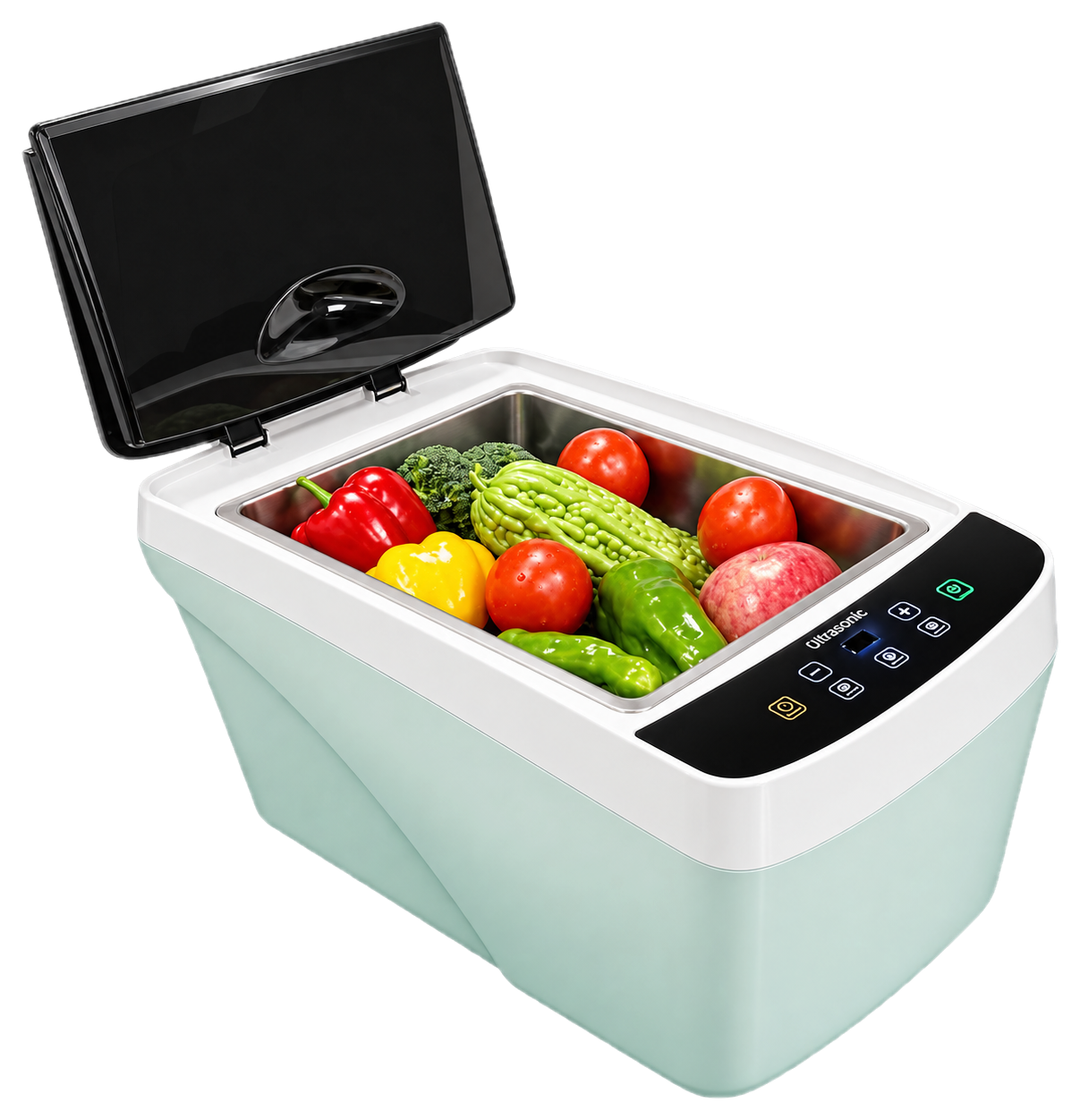
Customized home ultrasonic vegetable and fruit cleaner that can effectively reduce pesticide residues when cleaning fruits and vegetables. KVC300 series of ultrasonic fruit and vegetable cleaners is our best recommendation, contact us for your business needs now.

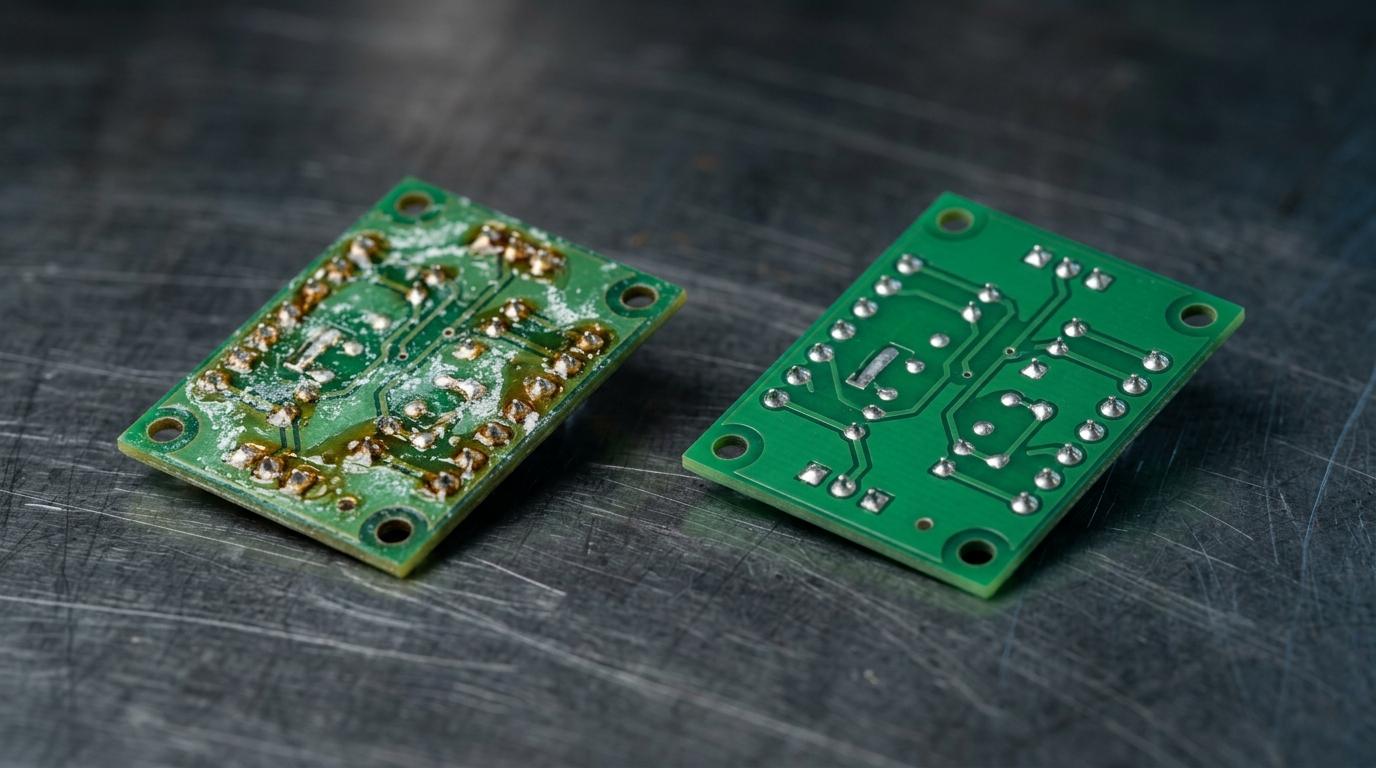
Flux residue is the activator-and-rosin film soldering leaves behind on boards, terminals and connectors. Its acidic activators keep attacking metal and its rosin traps ionic contamination, so it causes corrosion and leakage current. Ultrasonic cleaning at 40 to 80 kHz in a warm saponifier reaches under components where spray cannot.

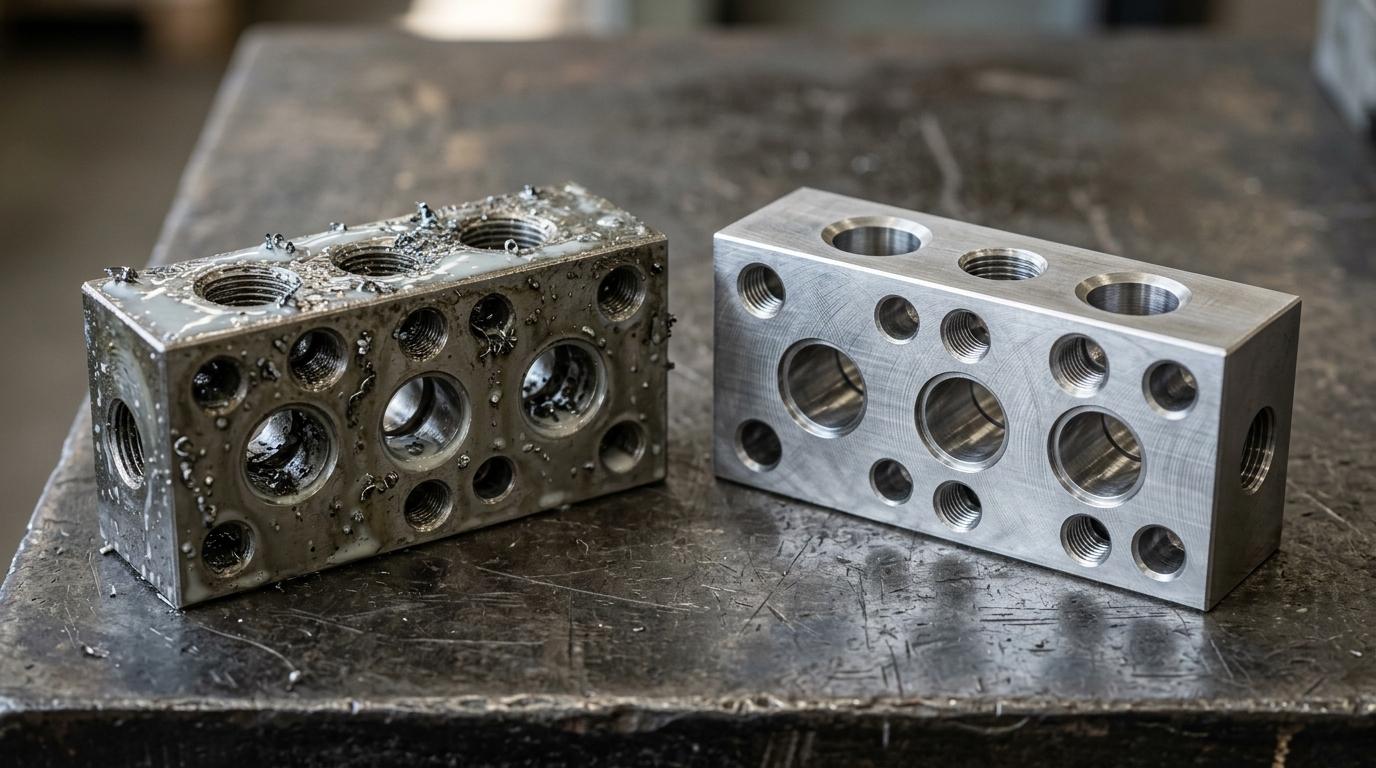
Cutting fluid is the oil, emulsion or synthetic coolant left on parts after turning, milling, grinding or honing. Its extreme-pressure additives bond to fresh metal and it carries swarf into every recess. Ultrasonic cleaning at 28 to 40 kHz in a warm alkaline degreaser lifts both the film and the chips.

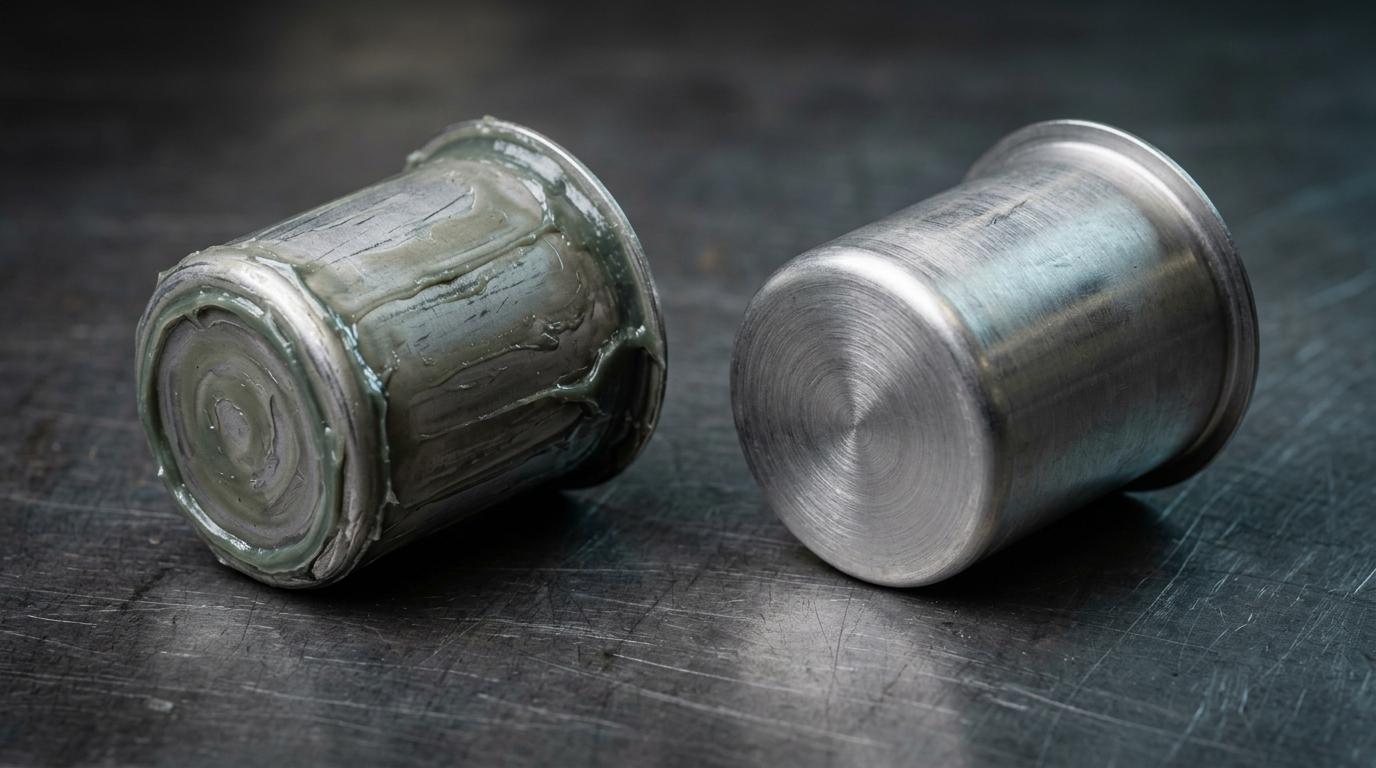
Stamping and drawing compounds are the heavy, additive-loaded lubricants that let sheet metal deform without tearing. They are viscous by design, cling in draw radii and thread roots, and oxidise into varnish if heated. Ultrasonic cleaning at 28 to 40 kHz in a hot alkaline degreaser removes them before plating or welding.

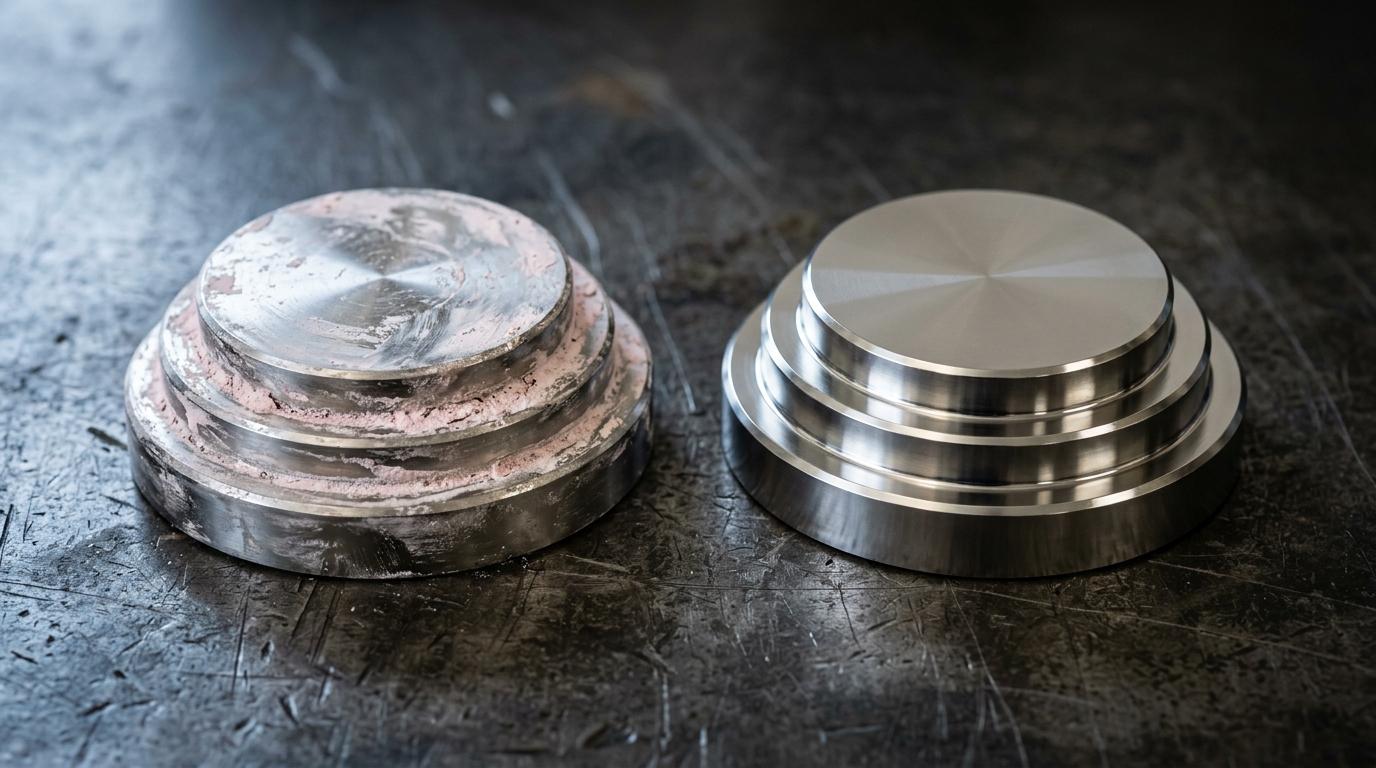
Polishing compound is the abrasive-in-binder residue left by lapping, buffing and CMP — cerium oxide, alumina, colloidal silica or diamond paste in a wax or grease carrier. It is engineered to adhere and it dries into a film. Warm detergent plus 40 to 80 kHz cavitation removes it without touching the surface.

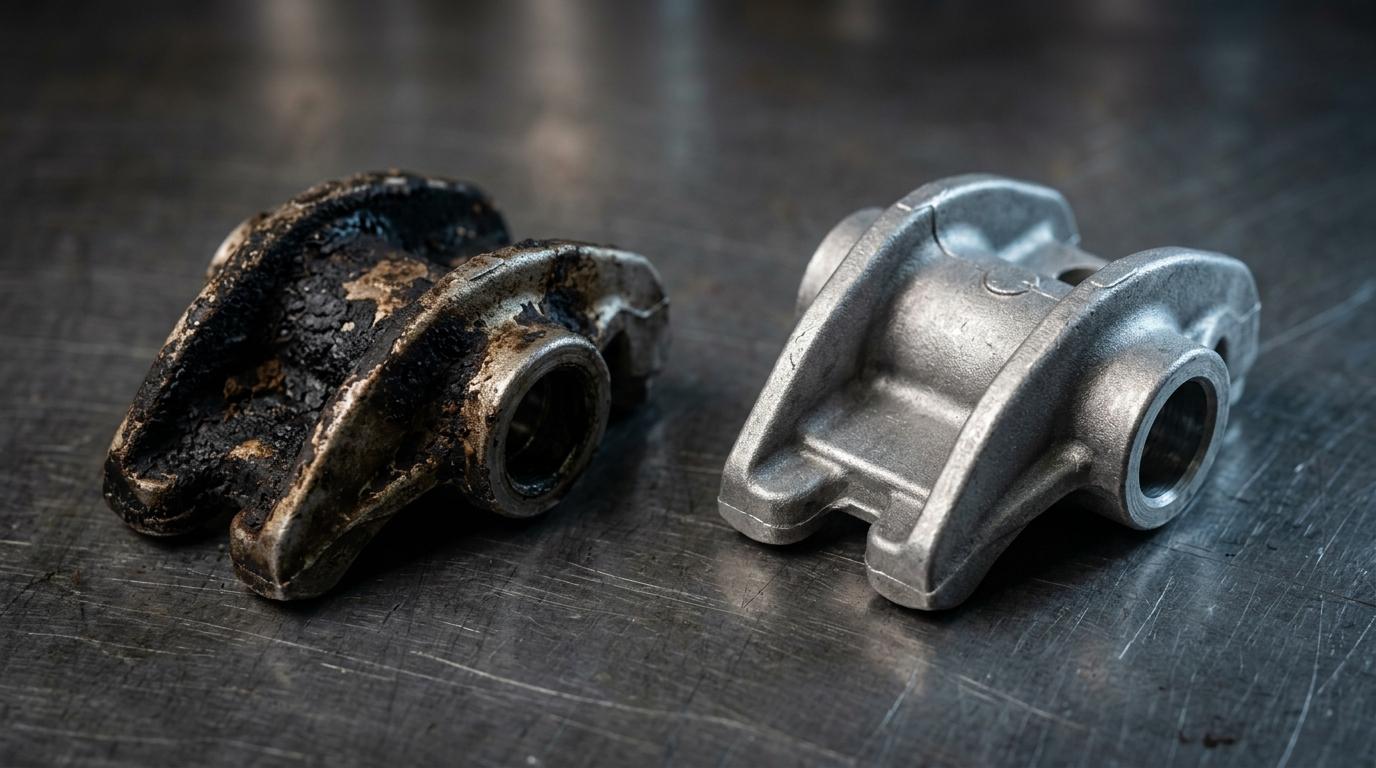
Carbon deposit is the hard, cross-linked film that forms when oil, fuel or polymer is held hot without enough oxygen to burn away. It bonds to metal and shrugs off solvents. Removal needs a chemistry that attacks the film plus 28 kHz cavitation, or electrolysis on moulds.

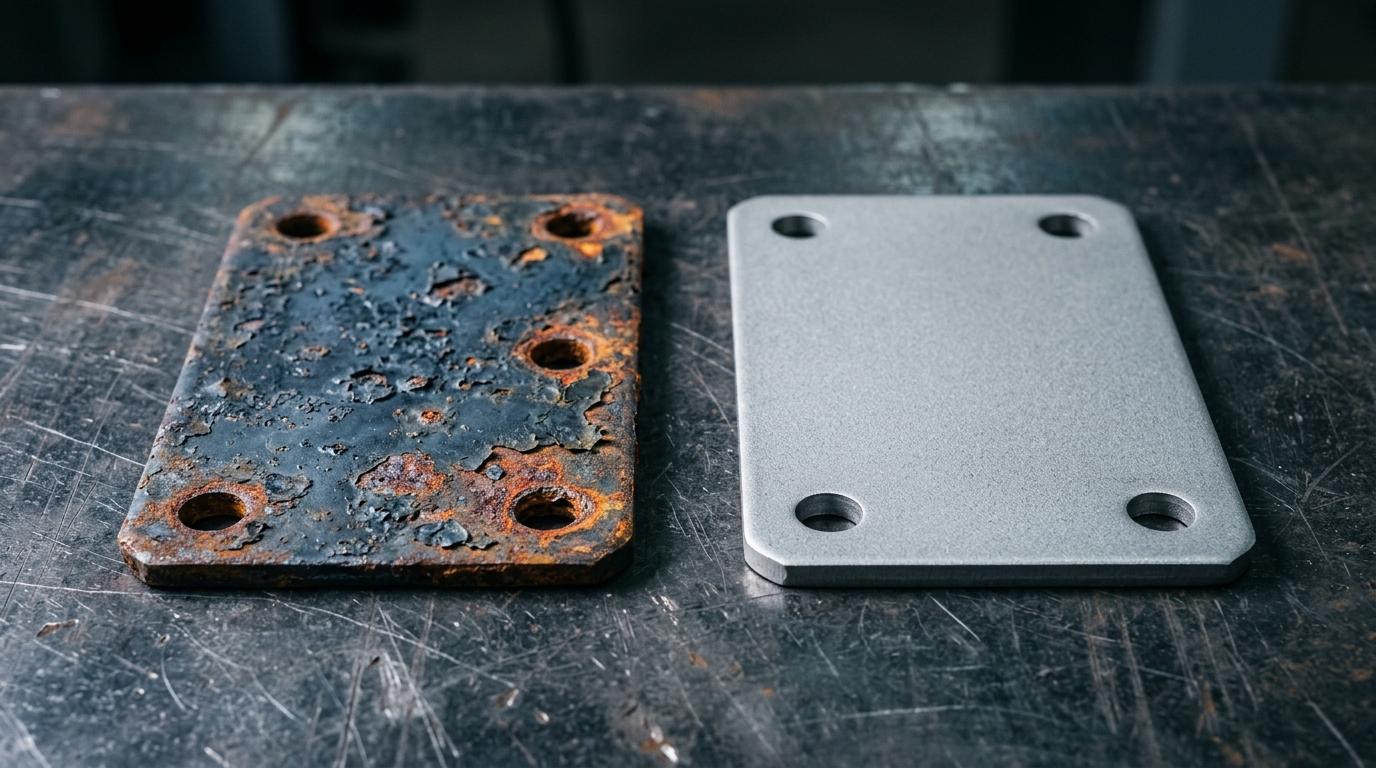
Oxide is the metal’s own surface reacting with air and water — mill scale, heat tint, flash rust and hard water scale. It is chemically bonded to the part, not lying on it, so removal is chemical. Ultrasonic cleaning at 28 to 40 kHz keeps fresh acid at the surface and clears the loosened film.

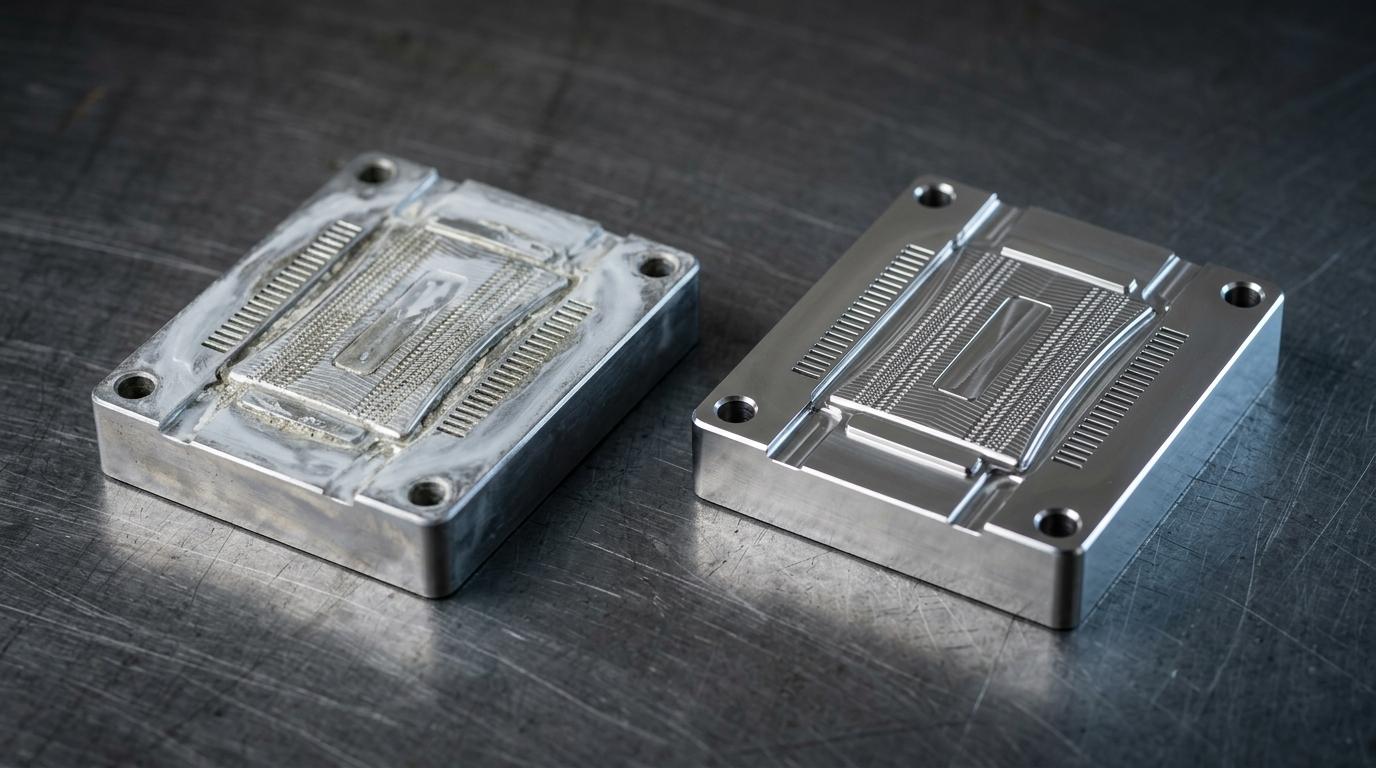
Mould release agent is the silicone, wax, PTFE or soap film sprayed into a tool so the part comes out. It transfers to both, builds up in texture and vents, and repels the water that would clean it. Ultrasonic cleaning at 28 to 40 kHz with a matched chemistry strips it.

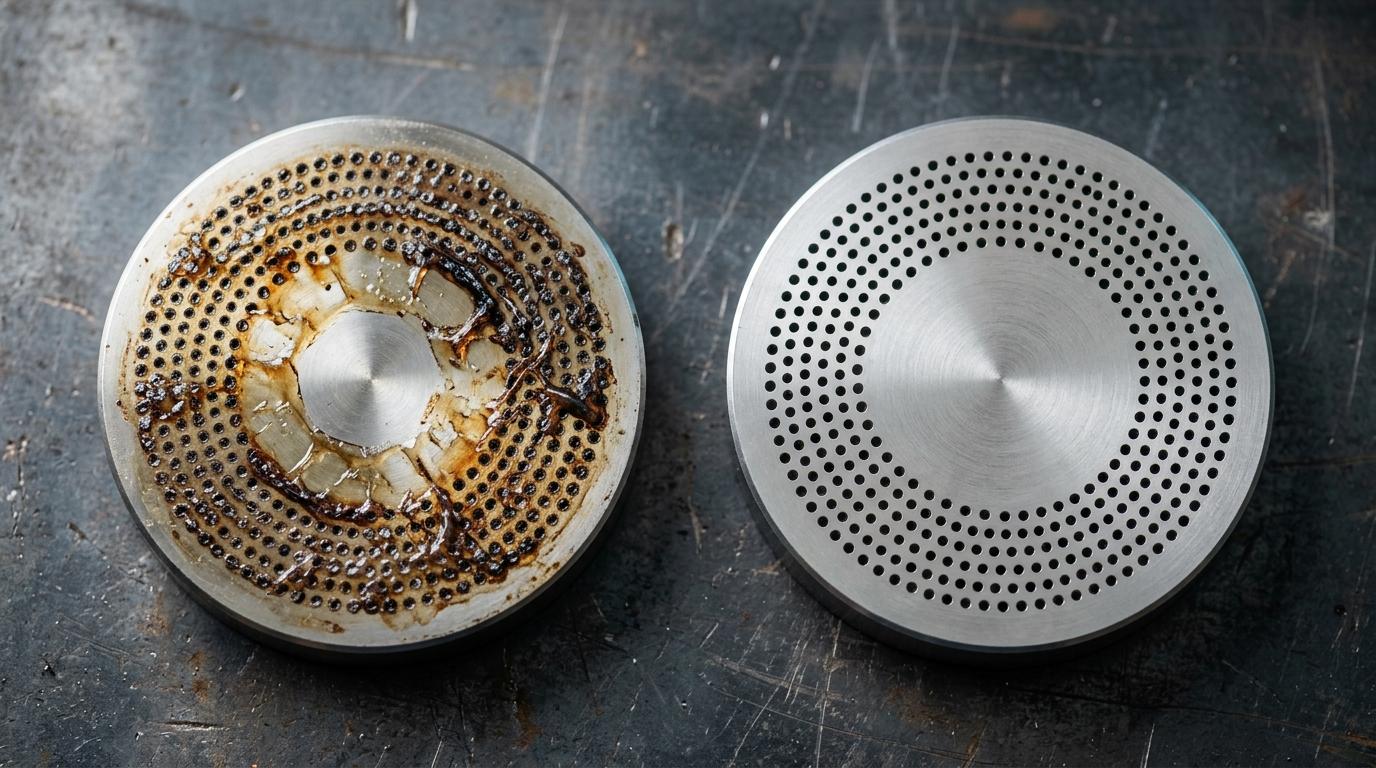
Polymer melt residue is the degraded, carbonised polymer that builds up wherever a melt is held hot — spinnerets, extruder screws, dies, hot runners and print nozzles. It is cross-linked and insoluble. Ultrasonic cleaning at 28 to 40 kHz, usually after a thermal or chemical pre-stage, clears the capillaries.

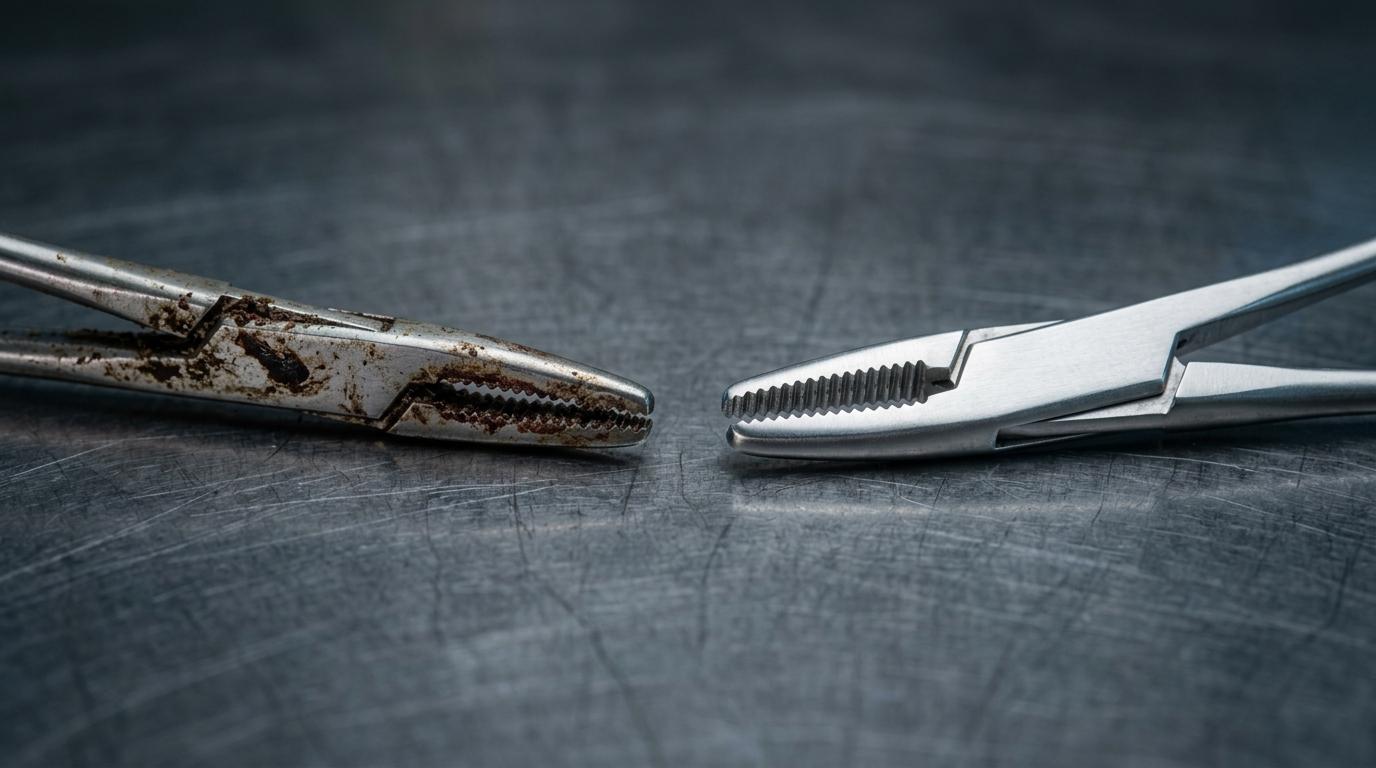
Protein soil is blood, tissue, egg, dairy, starch and biofilm — organic matter that denatures when heated or dried and then bonds to the surface. Once fixed it resists detergent. Enzymatic or mildly alkaline chemistry at 40 kHz and below 45 °C removes it before it sets.

Ultrasonic cleaning for connectors, terminals, stamped conductive parts, PCBs and FPCs, heat-dissipation parts and machined housings — flux, oil and fine particulate out of blind holes and slits.

Ultrasonic cleaning and centrifugal drying for silicon wafers, solar panels, quartz carriers and chamber hardware — 40, 80 and 120 kHz in one tank where the process needs all three.

Ultrasonic cleaning for optical glass, resin spectacle lenses, contact lenses, phone cover glass and camera modules — and the pre-ovens, drying ovens and hardening machines around them.

Ultrasonic cleaning for stamped parts, machined components, bearings, motor housings and steel tube — single tanks through to nine-stage automated lines with air-knife blow-off and drying.

Ultrasonic cleaning for surgical instruments (including da Vinci instruments), dental and orthopaedic implants, device components and glass vials — from 6 L benchtop units to nine-stage automated lines.

Ultrasonic and high-pressure spray cleaning for spinnerets, candle filters, spin packs and textile machine parts — clearing polymer residue from holes as fine as 50 microns.

Ultrasonic and electrolysis cleaning for injection, die-cast, stamping and food moulds — carbon, gas residue, rust and release agent lifted off a cavity by non-contact cleaning.

Ultrasonic dishwashers, produce washers and mould cleaning for commercial kitchens and food plants — cavitation reaches every surface evenly, lifting grease, baked-on residue and grit.

Ultrasonic cleaning for aerospace maintenance and component manufacturing — starting with the single-tank lift-type machine LEO built for aircraft wheel rims.

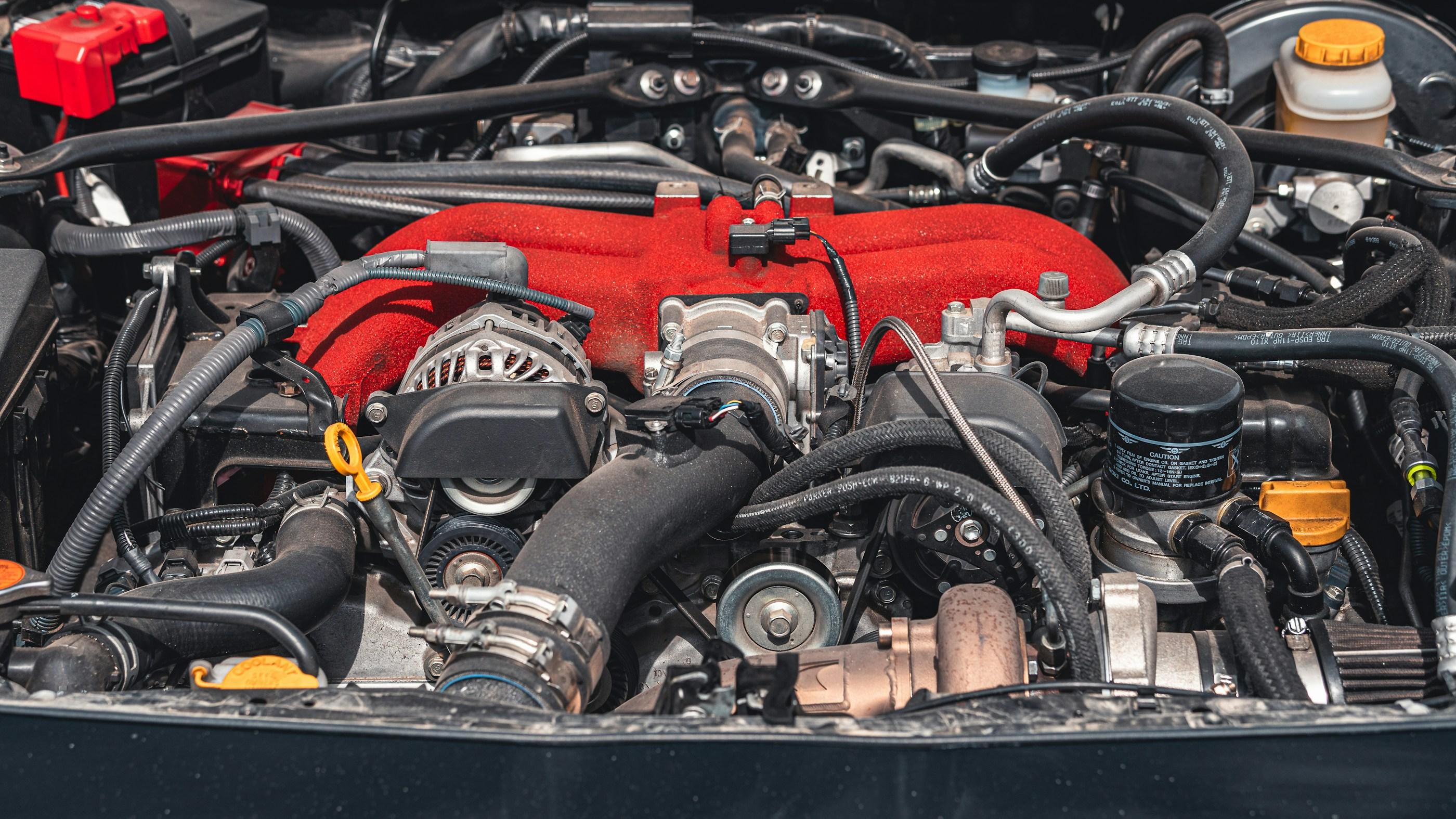
Ultrasonic cleaning for vehicle maintenance and automotive component manufacturing — carbon and oil off engine parts, forming oil off stamped and machined components.

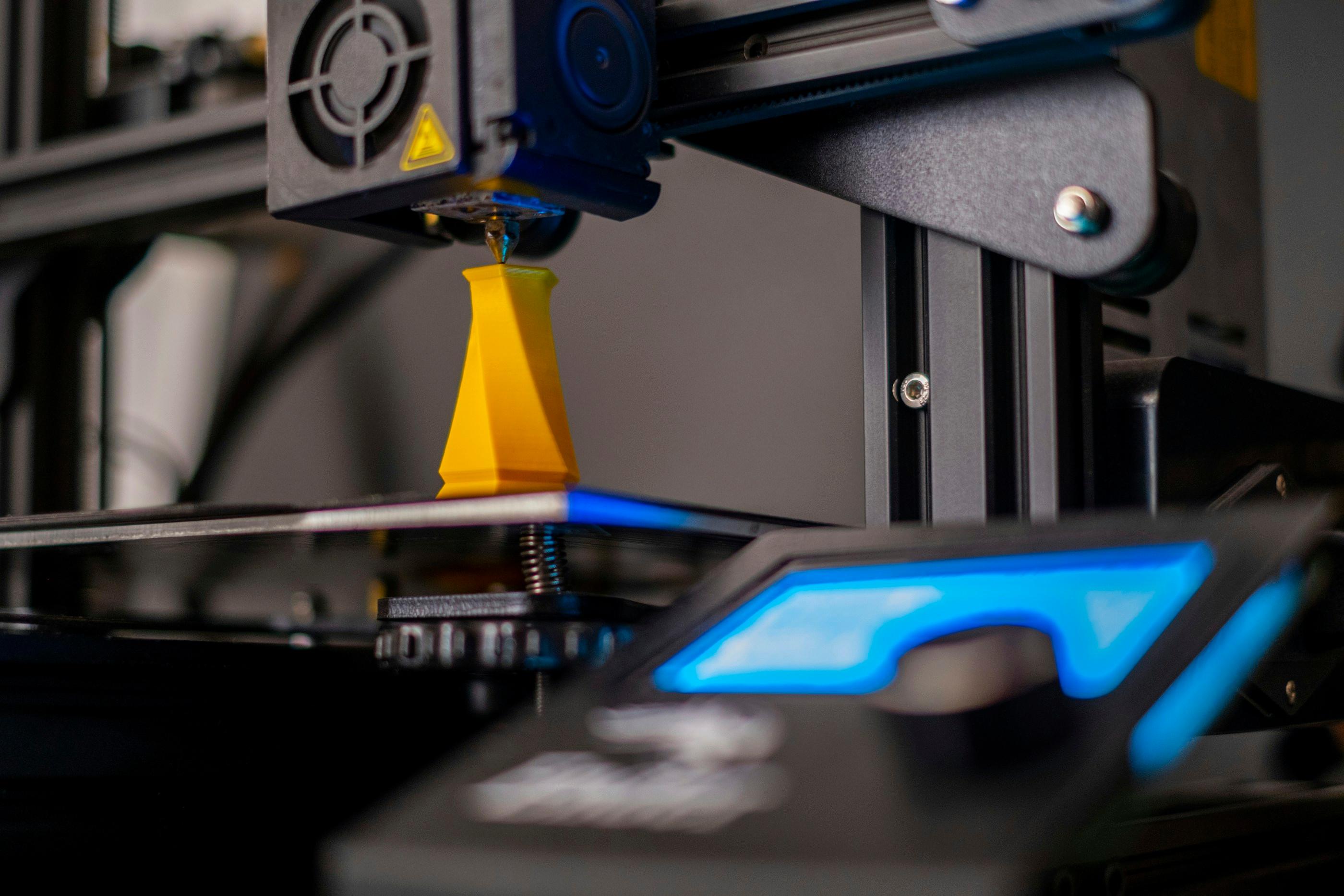
Ultrasonic cleaning for additive manufacturing — uncured resin off SLA parts, residual powder out of SLS and metal AM lattices, and cured build-up off plates and nozzles.

What ultrasonic cleaning does for marine engineering — mainly filter elements, plus carbon, salt scale and oil sludge off engine components, heat exchangers and fuel system parts.
Tell us what you need cleaned
Send us the part, the contaminant and your cycle time. Our engineers size the tank, the frequency and the process chain — and reply with a sized specification for your line.