Aerospace
Ultrasonic cleaning for aerospace maintenance and component manufacturing — starting with the single-tank lift-type machine LEO built for aircraft wheel rims.

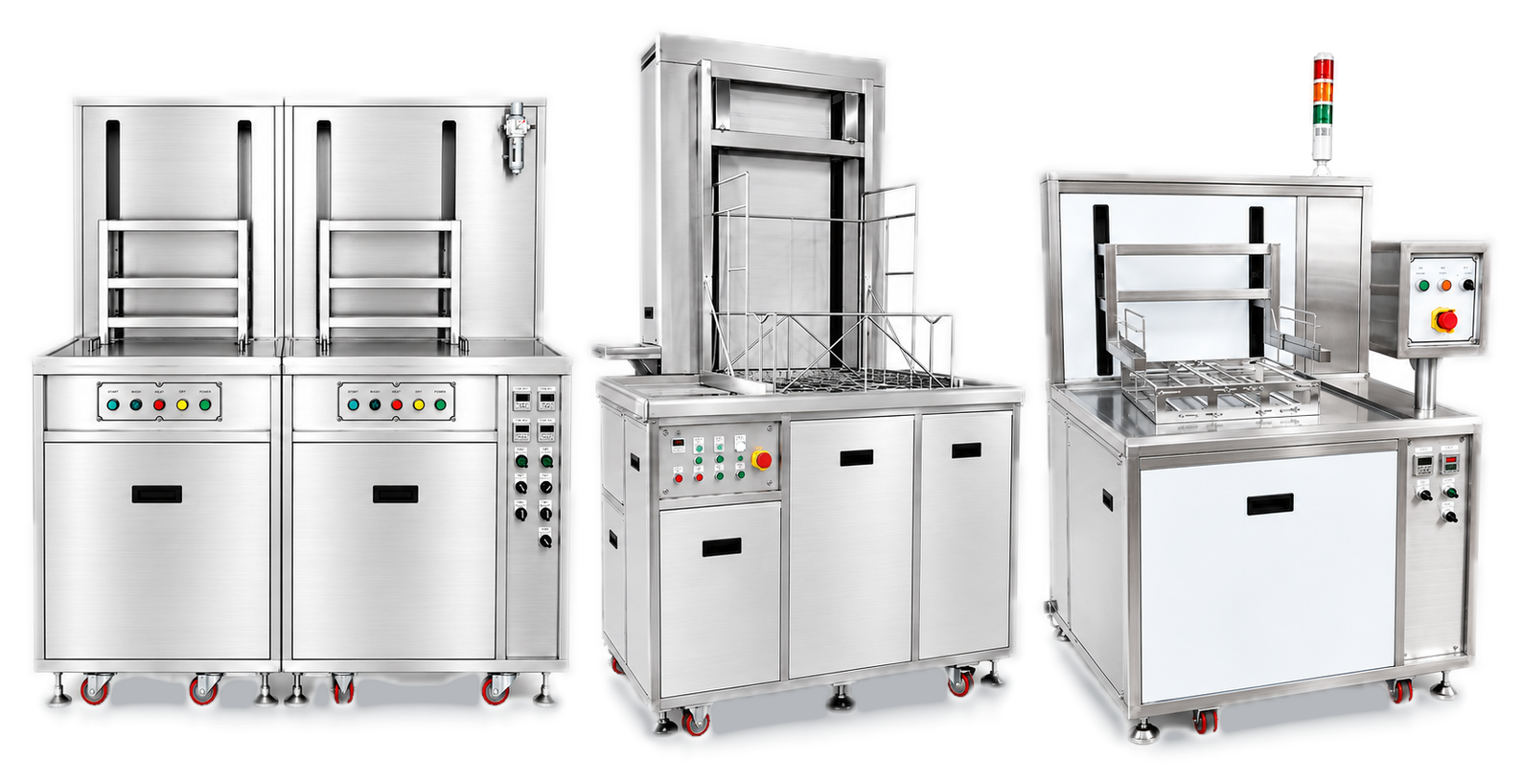
LEO builds ultrasonic cleaning equipment for aerospace maintenance and component manufacturing. Its machine for this sector is a single-tank lift-type cleaner for aircraft wheel rims, removing dust, dirt and grease with roller loading and an automatic lift to the spray and drying station. The same equipment class cleans fasteners, hydraulic parts and machined components.
Aerospace cleaning is dominated by two constraints that do not apply anywhere else on this site: the parts are inspected after cleaning, and they are expensive enough that damaging one during cleaning is never the cheaper option. Both push in the same direction — a cleaning method that reaches into complex geometry without abrading it, and that produces the same result on the hundredth part as on the first.
What LEO has built for this sector
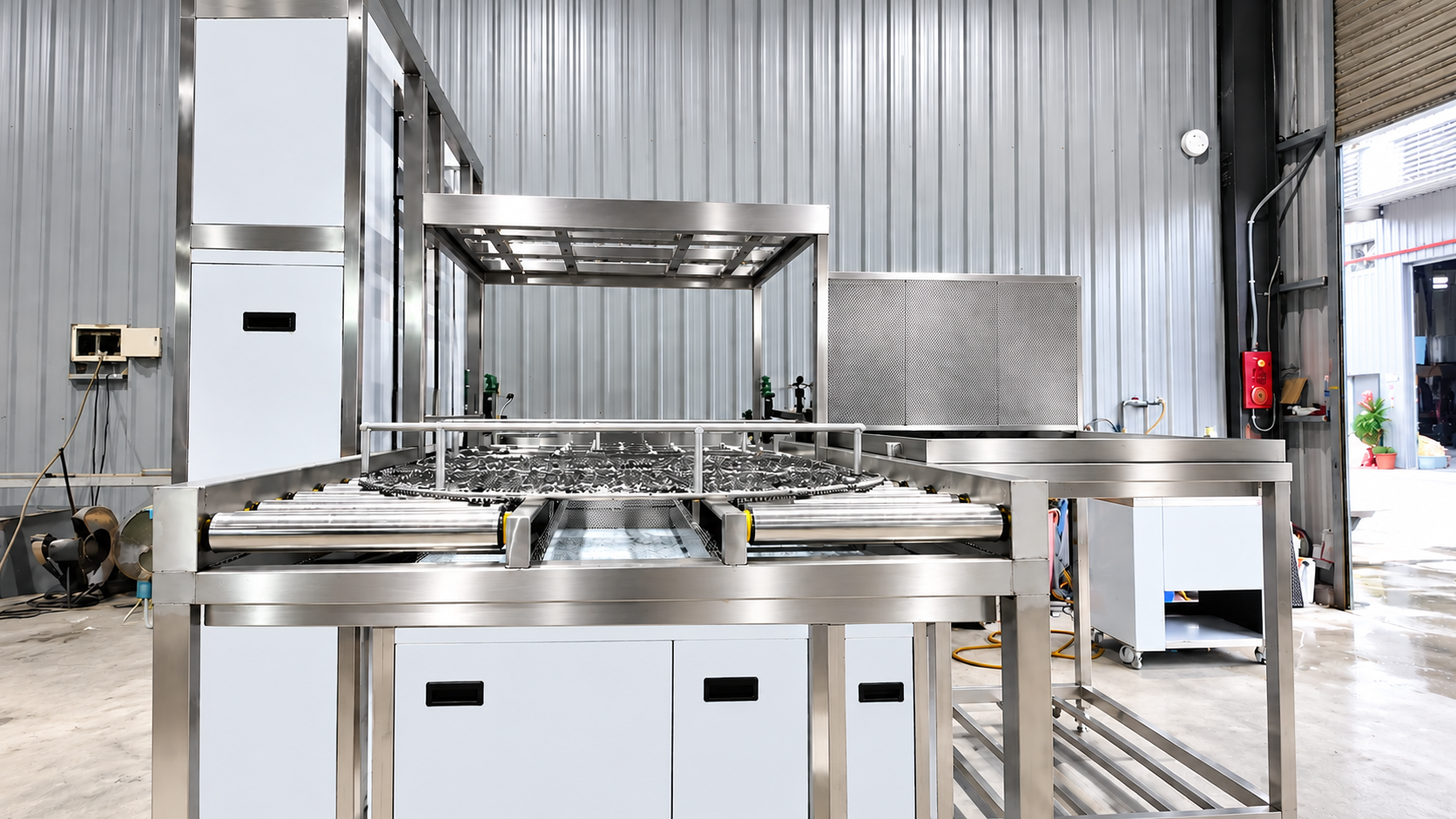
One machine, and it is worth describing precisely rather than generalising from. It is a single-tank lift-type ultrasonic cleaner for aircraft wheel rims. The rim is moved on conveyor and universal rollers and loaded into the tank automatically; cleaning time is set according to how dirty the rim is; when the cycle ends the basket lifts, so the rim transfers to the spray and drying station without being manhandled out of a bath. It removes dust, dirt and grease.
That is what exists. Everything below describes what this class of equipment does for aerospace work generally — the engineering, not a customer list.
Where ultrasonic cleaning fits an aerospace workflow
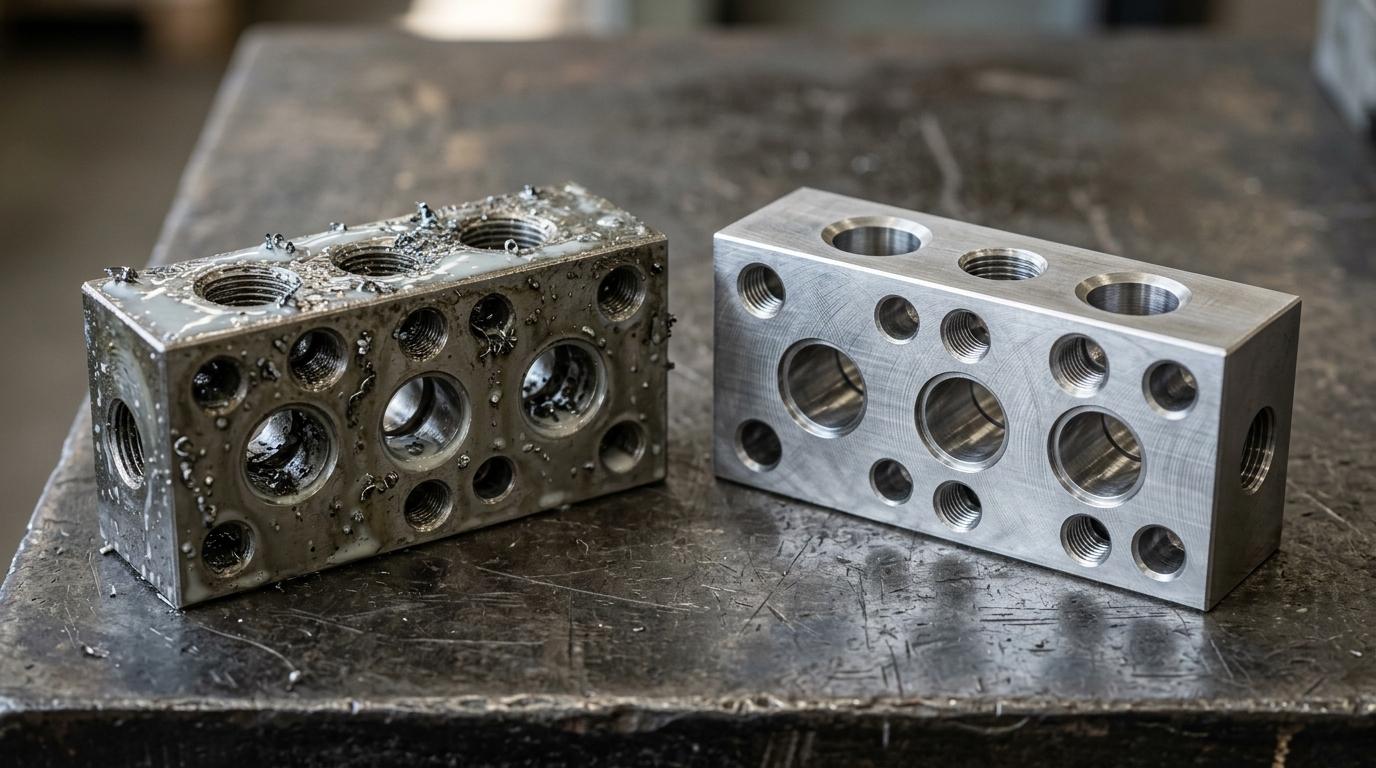
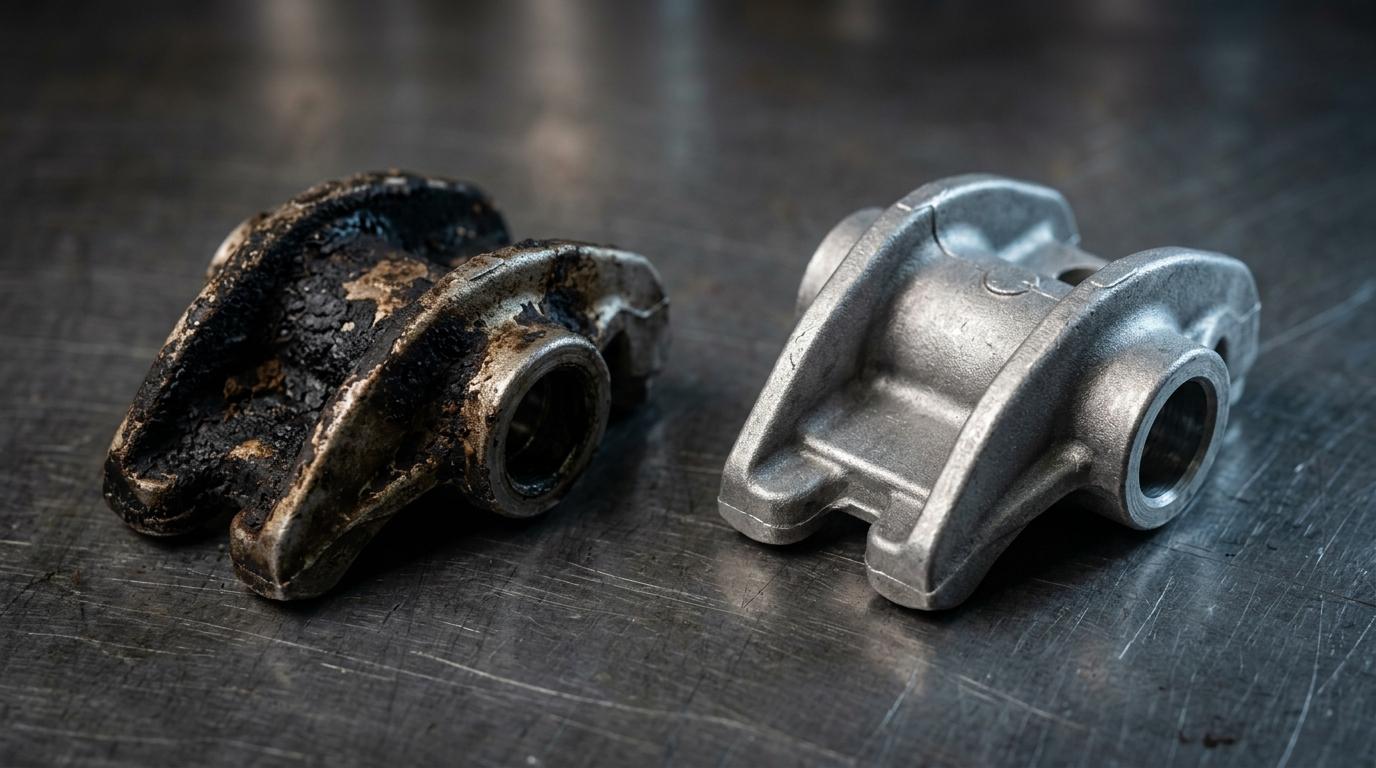
Two places. In manufacturing it is the step between machining and inspection or coating: cutting fluid, chips and grinding residue have to be out of every cross-drilling and blind feature before a penetrant inspection or a surface treatment, because either one will report contamination as a defect or simply fail to adhere. In maintenance and overhaul it is the step between disassembly and inspection: carbon, grease, hydraulic fluid and corrosion products have to come off before anyone can see what condition the part is actually in.
The frequency follows the part rather than the industry. Robust steel and titanium components carrying heavy soil take 28 or 40 kHz; machined aluminium and anything with a finish that matters moves to 40 or 80 kHz; small precision parts and instrument components go higher still. Aluminium alloys need a neutral or mildly alkaline detergent rather than a strongly alkaline one, which will attack the surface regardless of the frequency.
The process chain
A cleaning cell for this kind of work runs:
- Pre-wash or degrease to take off bulk grease and loose deposit
- Ultrasonic wash in heated detergent, frequency set by material and finish
- Rinse, then a final rinse in DI water where residue would show at inspection
- Spray-off and hot-air drying — the lift-type layout exists to make this transfer easy
- Corrosion-preventive treatment where the part will wait before reassembly
If you have a part, a soil and a cleanliness standard to meet, LEO will specify the tank, the frequency and the handling around it — that is how the wheel-rim machine came about.
Workpieces & contamination
Contaminants
- Aircraft wheel rimsBrake dustGreaseRoad and runway dirt28 / 40 kHz
- Machined structural componentsCutting fluidChips and swarfGrinding residue40 kHz
- Fasteners and small hardwareForming oilMetal finesAnti-seize compound40 kHz
- Hydraulic and fuel system partsHydraulic fluidVarnish and sludgeParticulate40 kHz
- Turbine and compressor componentsCarbon depositOil cokingOxidation products28 / 40 kHz
- Heat exchangers and oil coolersOil residueFine debrisScale28 / 40 kHz
- Tooling, jigs and ground support equipmentGreasePaint and sealant residueCorrosion products28 kHz
Products
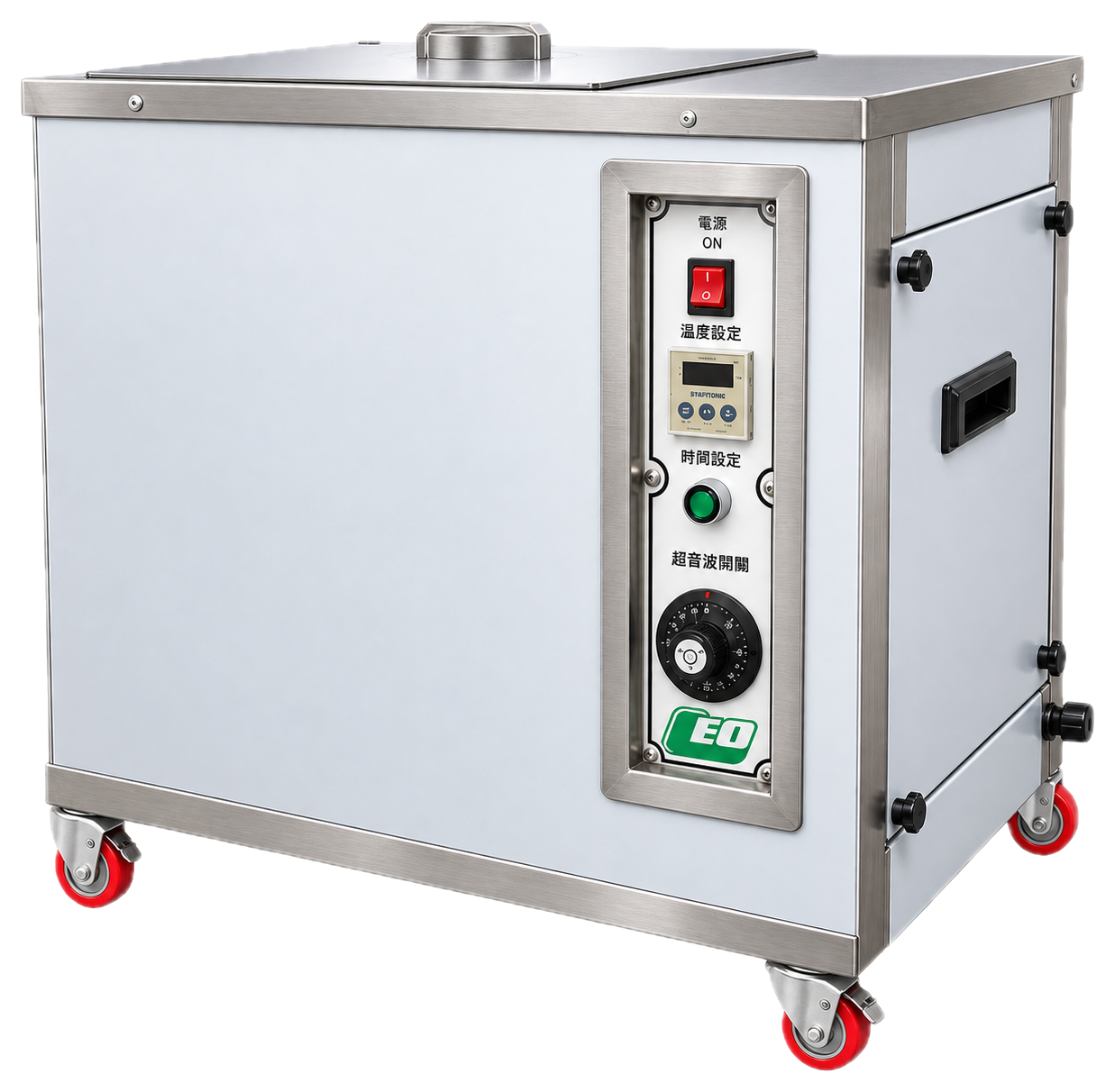
Recommended equipment
Contaminants
Cleaning applications
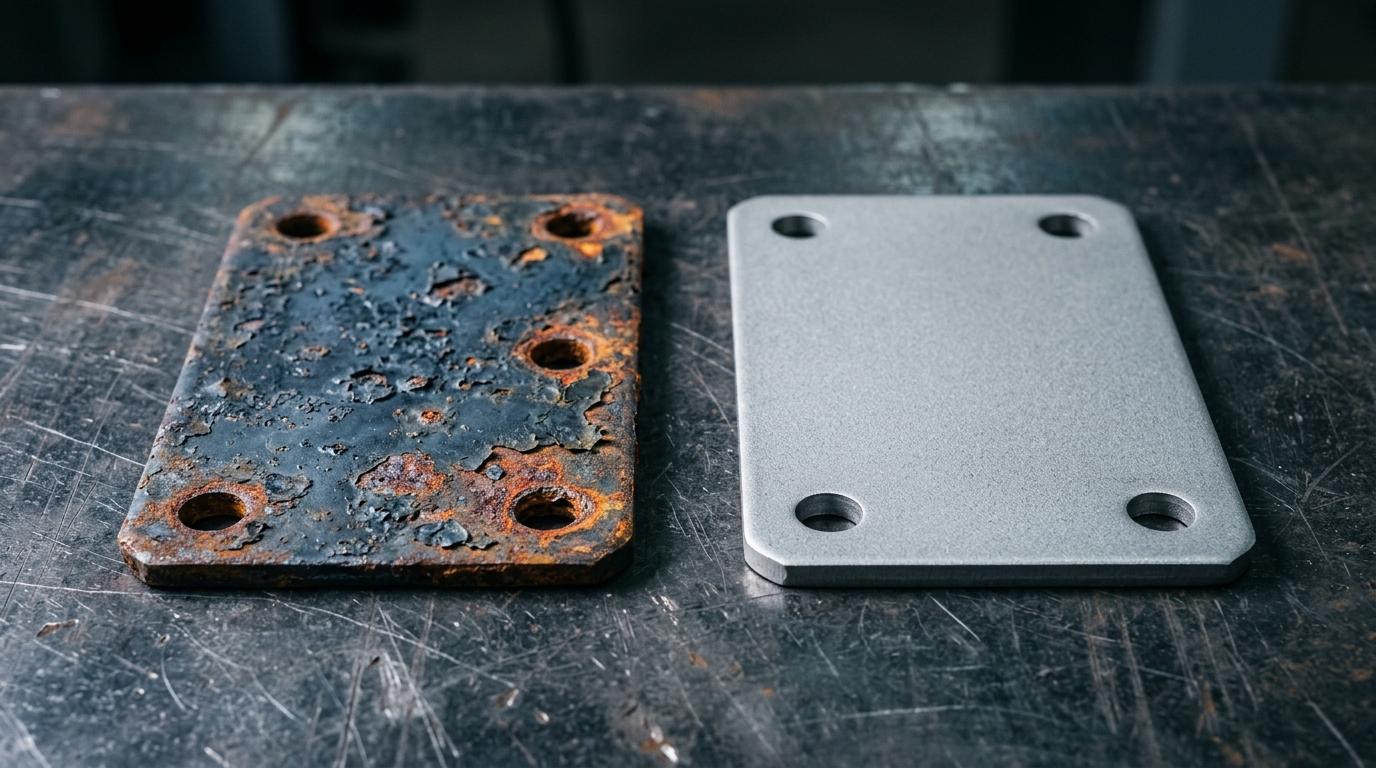
Case Studies
Proof in the field
Frequently asked questions
A single-tank lift-type ultrasonic cleaning machine for aircraft wheel rims, with roller loading, adjustable cycle time and an automatic lift that transfers the rim to a spray and drying station. Other aerospace applications on this page describe what this equipment class does, not installations LEO has delivered.
Because contamination reads as a defect. Penetrant and other surface inspections cannot distinguish residue in a crevice from a crack indication, and any coating or treatment applied over residue fails at the interface. Cleaning is what makes the inspection result mean something.
Yes, with the right chemistry. The risk to aluminium is the detergent, not the ultrasound: a strongly alkaline bath will attack the surface whatever frequency is used. A neutral or mildly alkaline cleaner at 40 kHz or above is the normal specification for machined aluminium.
Request a Quote
Tell us what you need cleaned
Send us the part, the contaminant and your cycle time. Our engineers size the tank, the frequency and the process chain — and reply with a sized specification for your line.