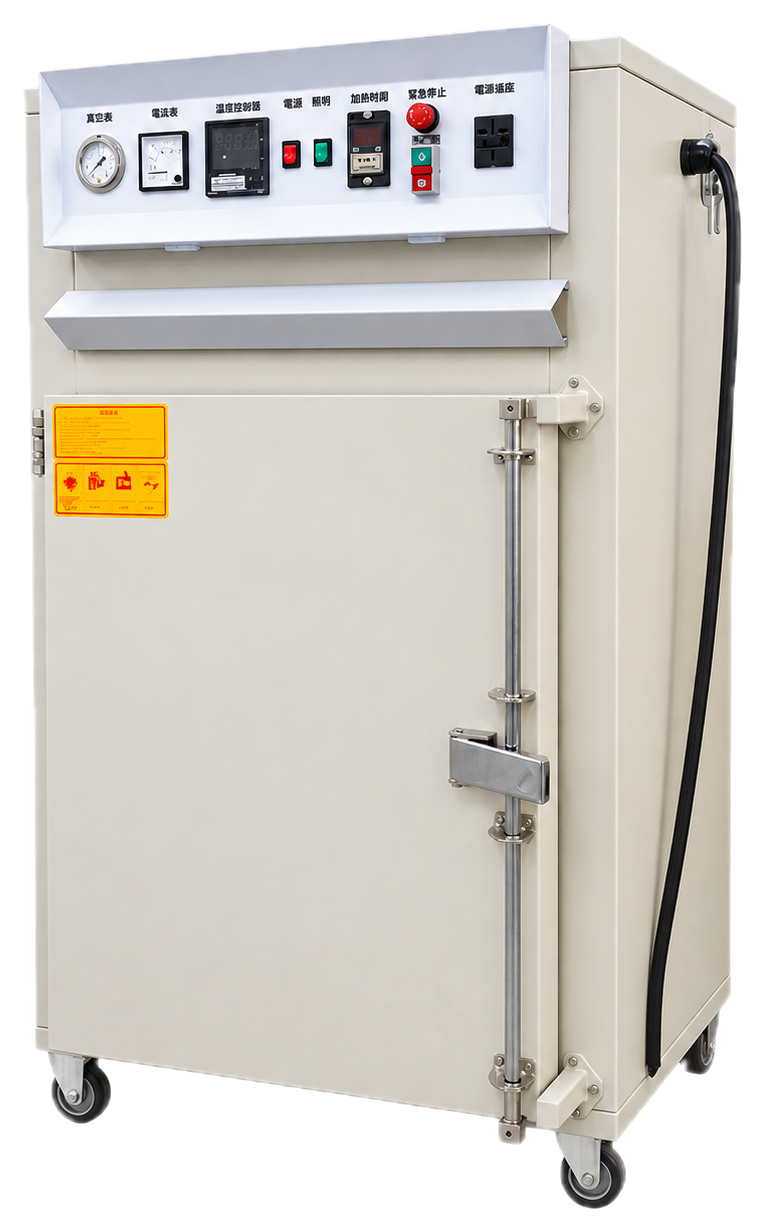
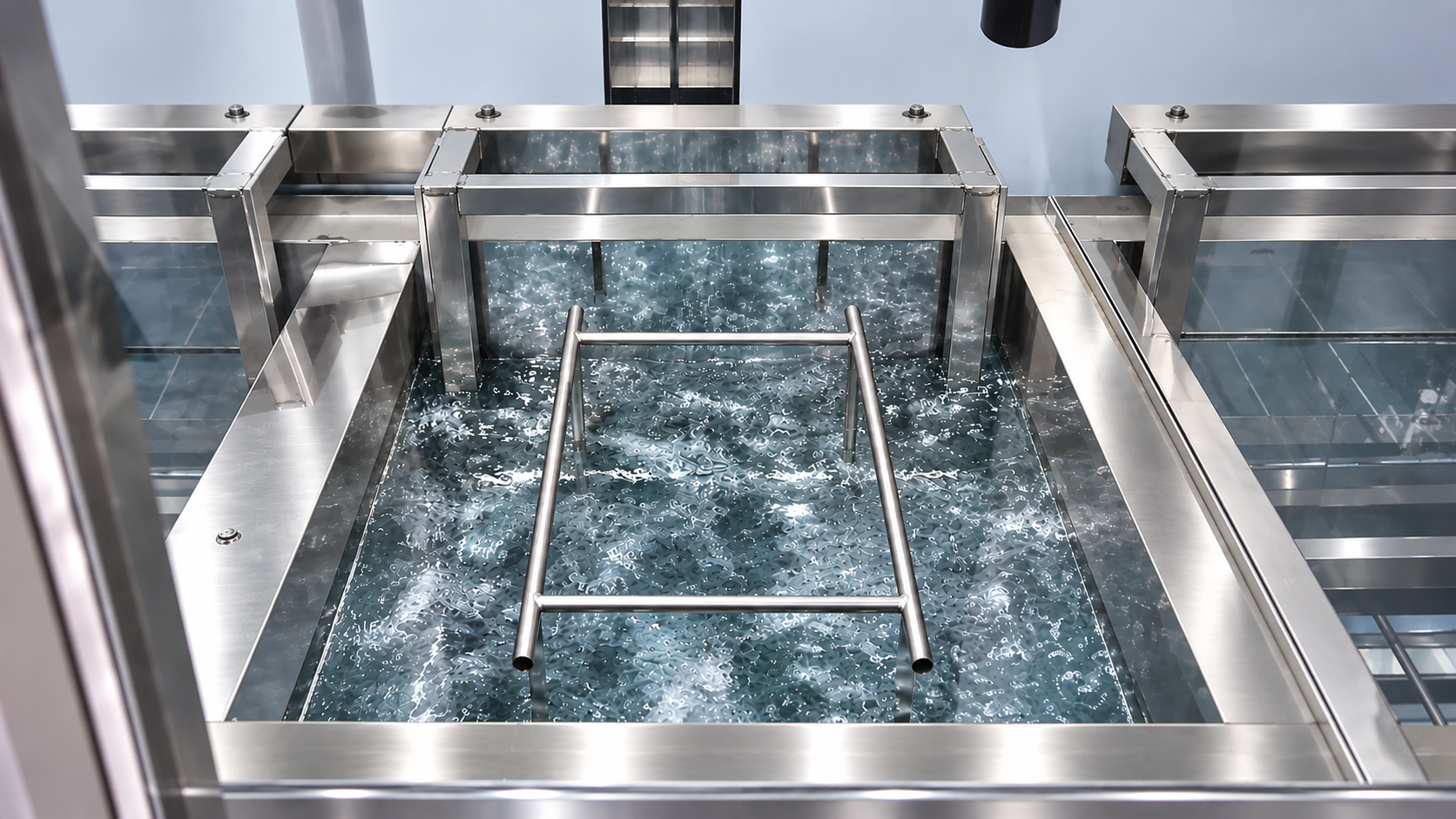
Professional ultrasonic cleaning equipment, from benchtop units to automated lines
Designed and built in Taiwan by LEO since 1987. Our machines clean metal parts, circuit boards, optical lenses, medical instruments, moulds, fresh produce and tableware — lifting oil, dust and machining residue.
Products
Cleaning equipment
Benchtop tanks, industrial and multi-tank machines, dryers, generators and transducers — the whole range, each with its specification matrix.
Compare
Compare machine types
Each column is one type of machine, from its smallest model to its largest.
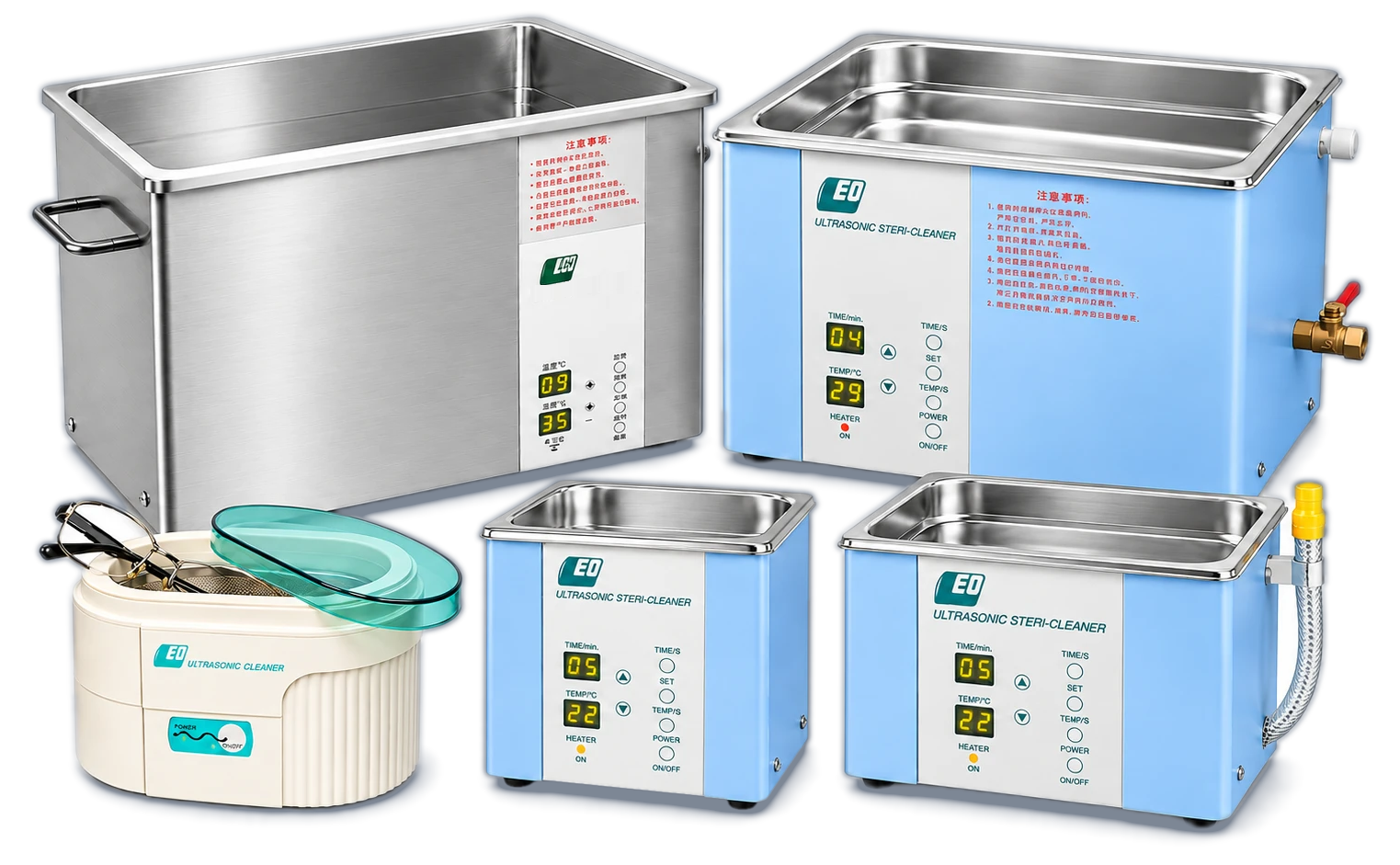
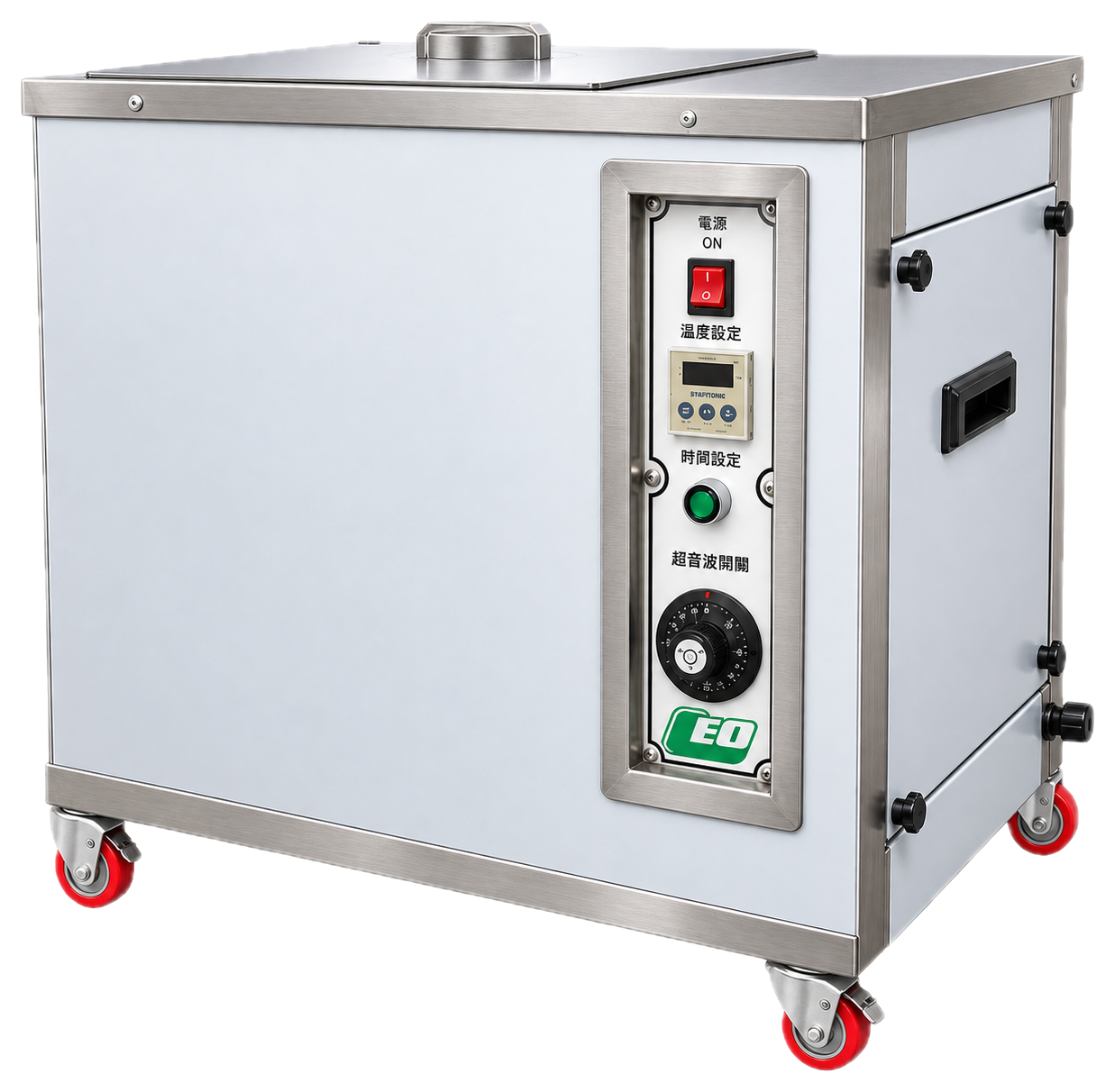
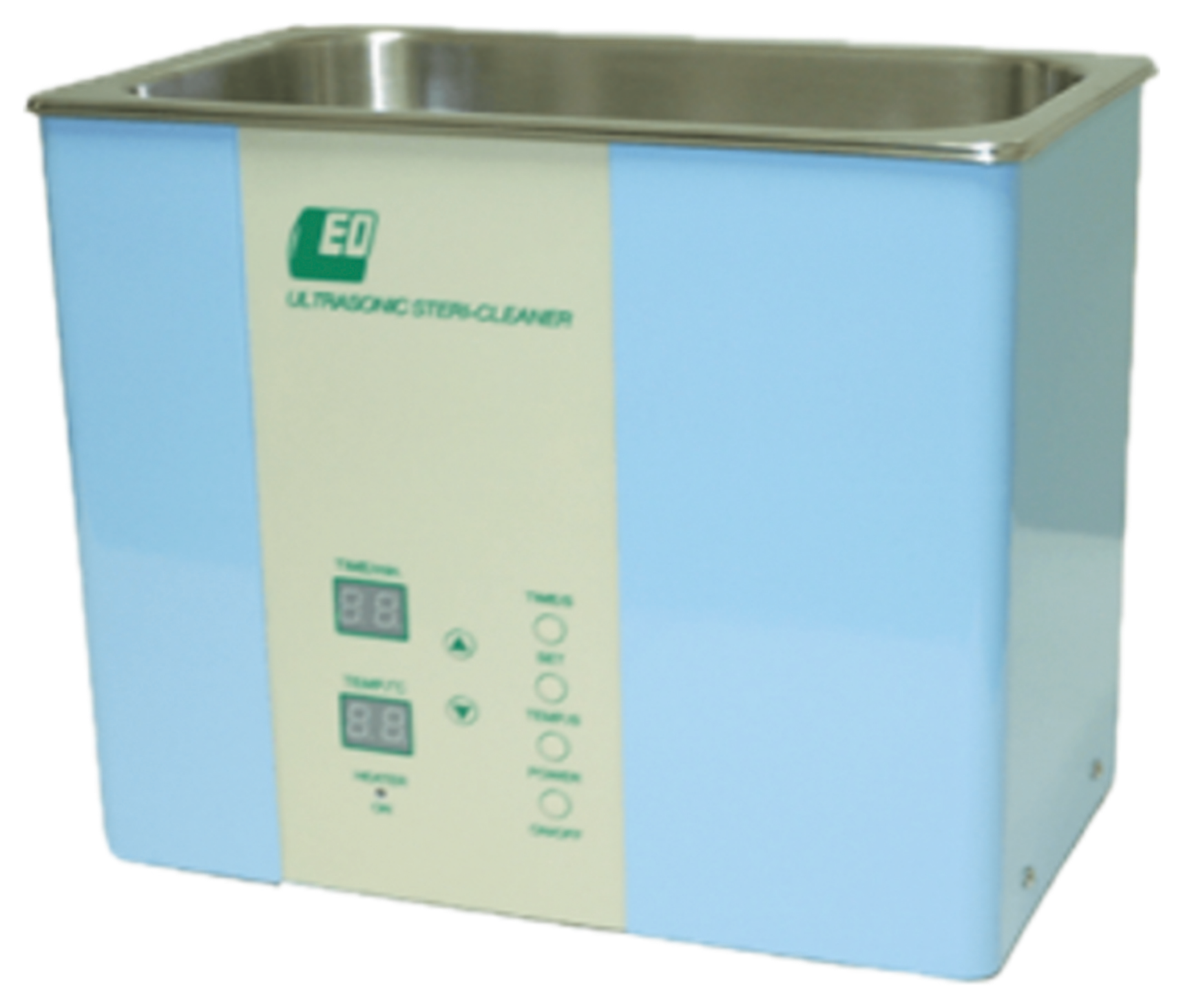
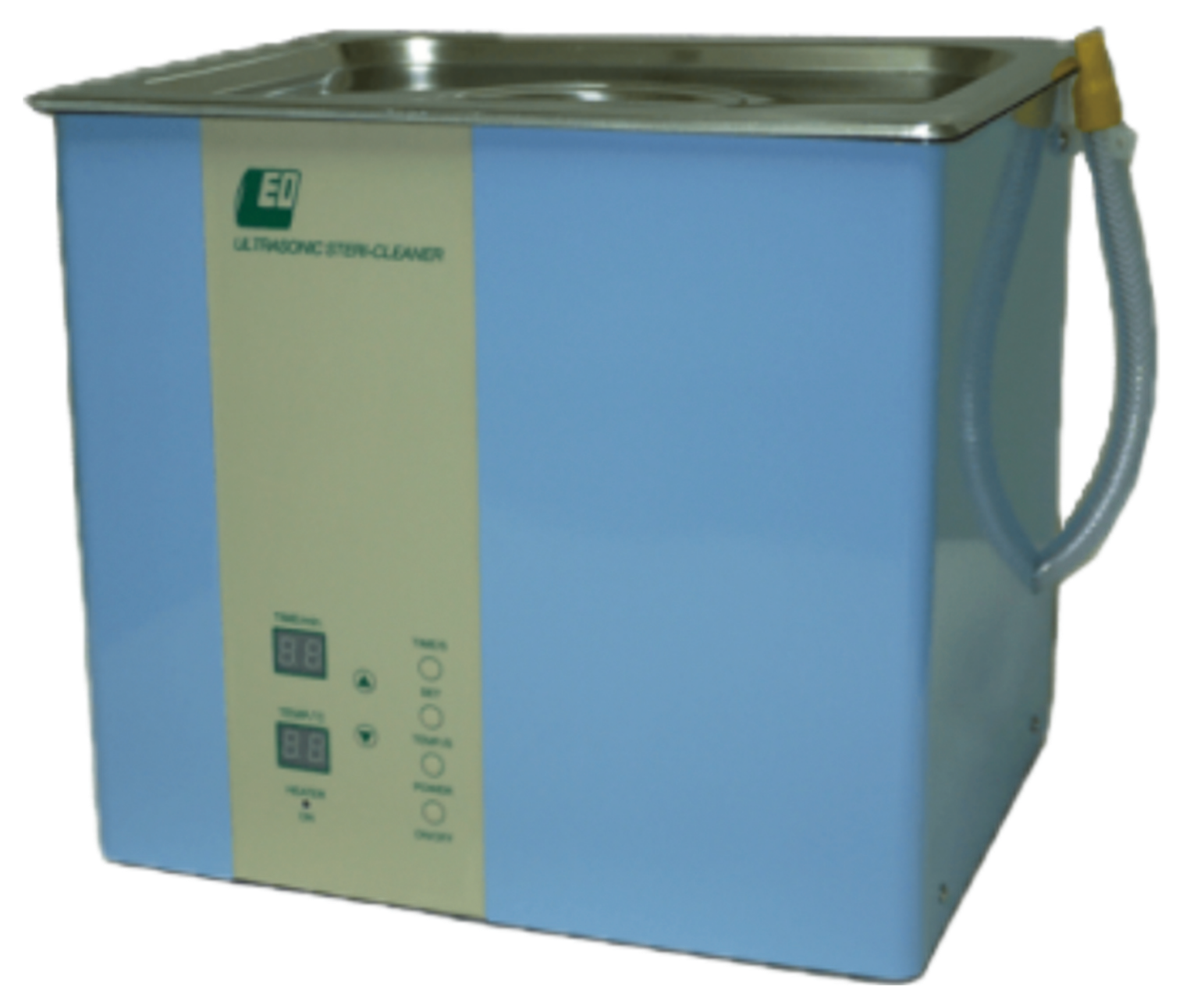 TabletopView models
- Tank capacity
- 0.6–29L
- Inner tank (L × W × H)
- 168 × 89 × 55–495 × 290 × 200mm
- Ultrasonic power
- 50–900W
- Ultrasonic frequency
- 28 / 40 / 46 / 120kHz
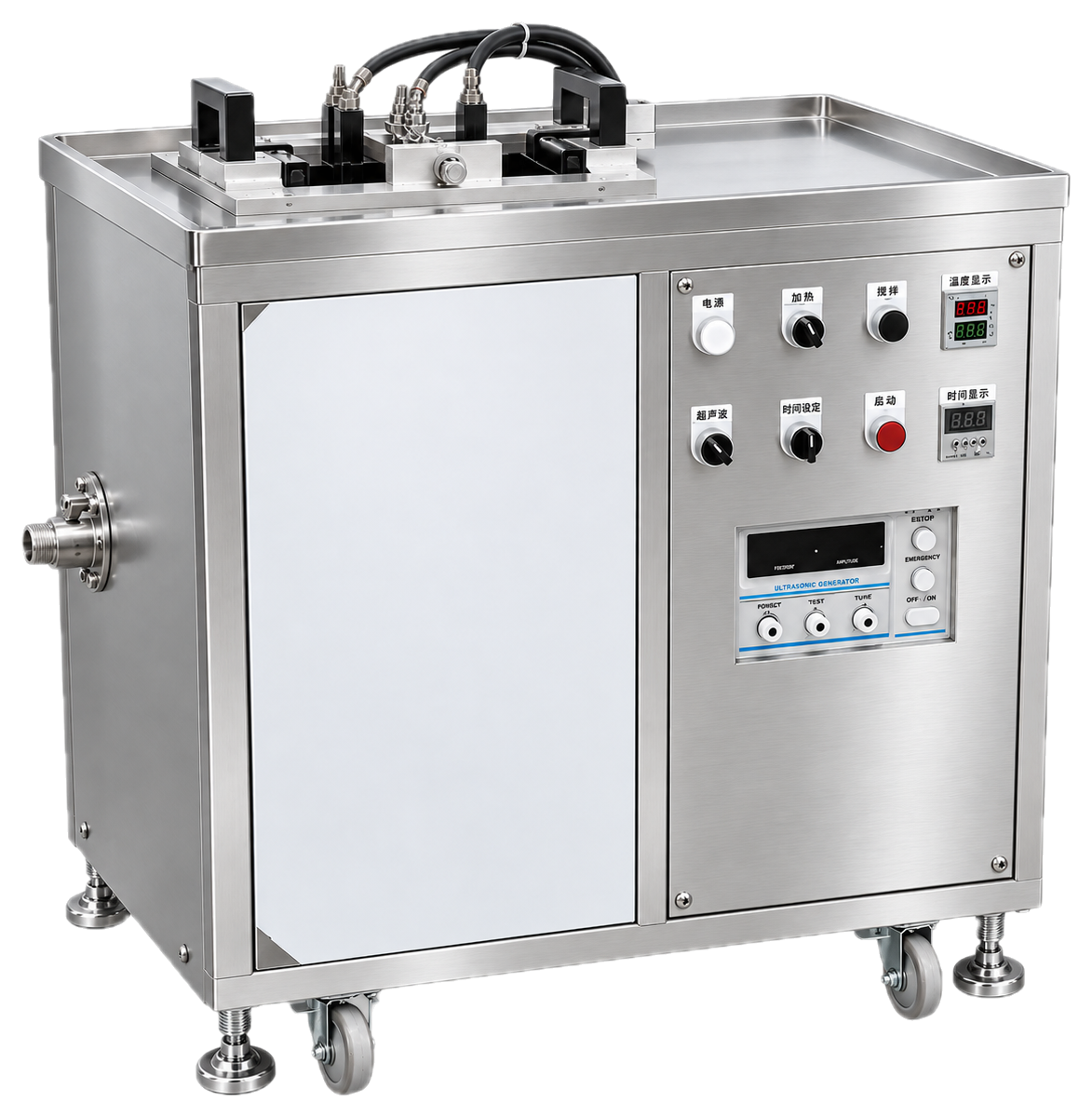
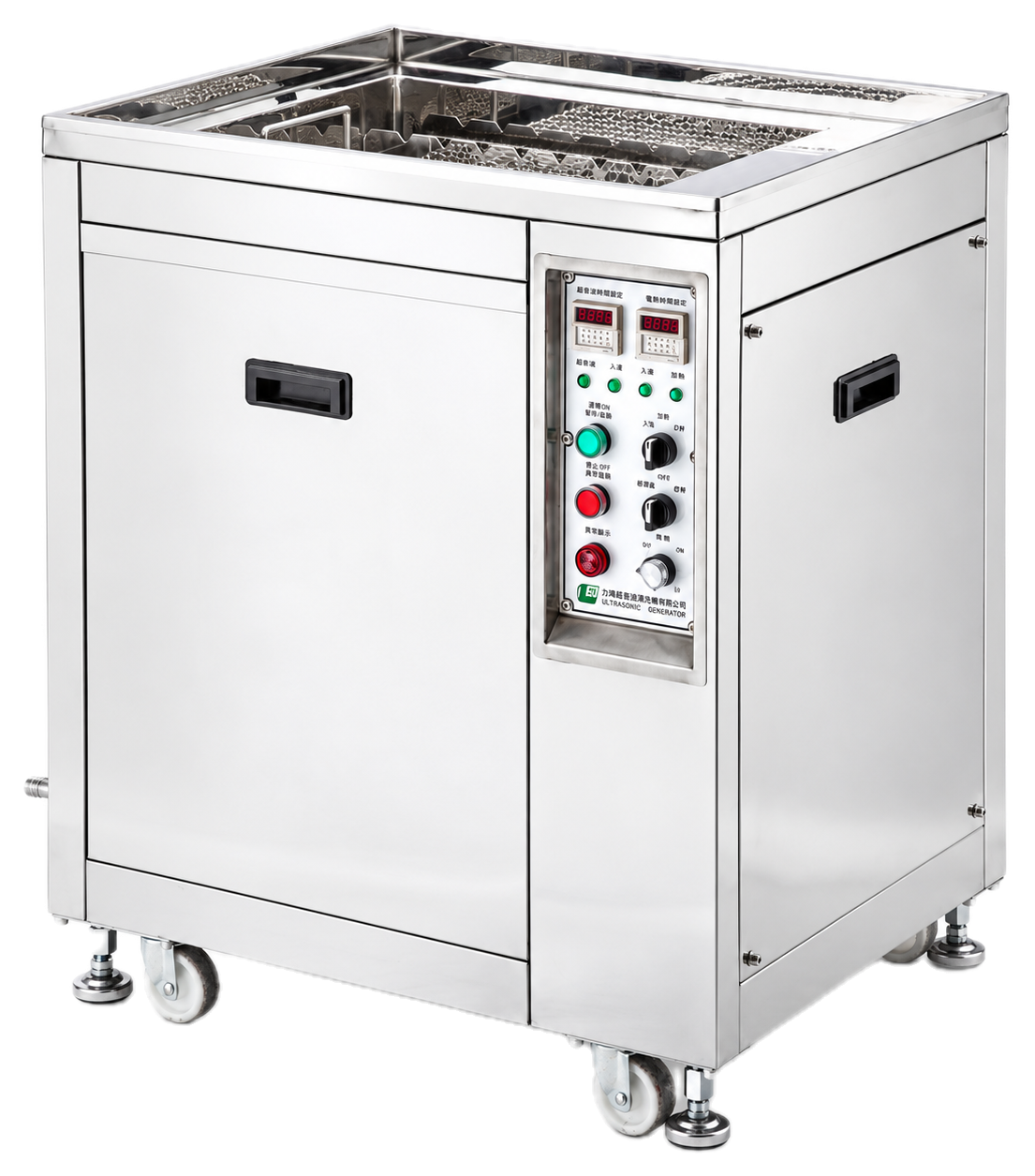
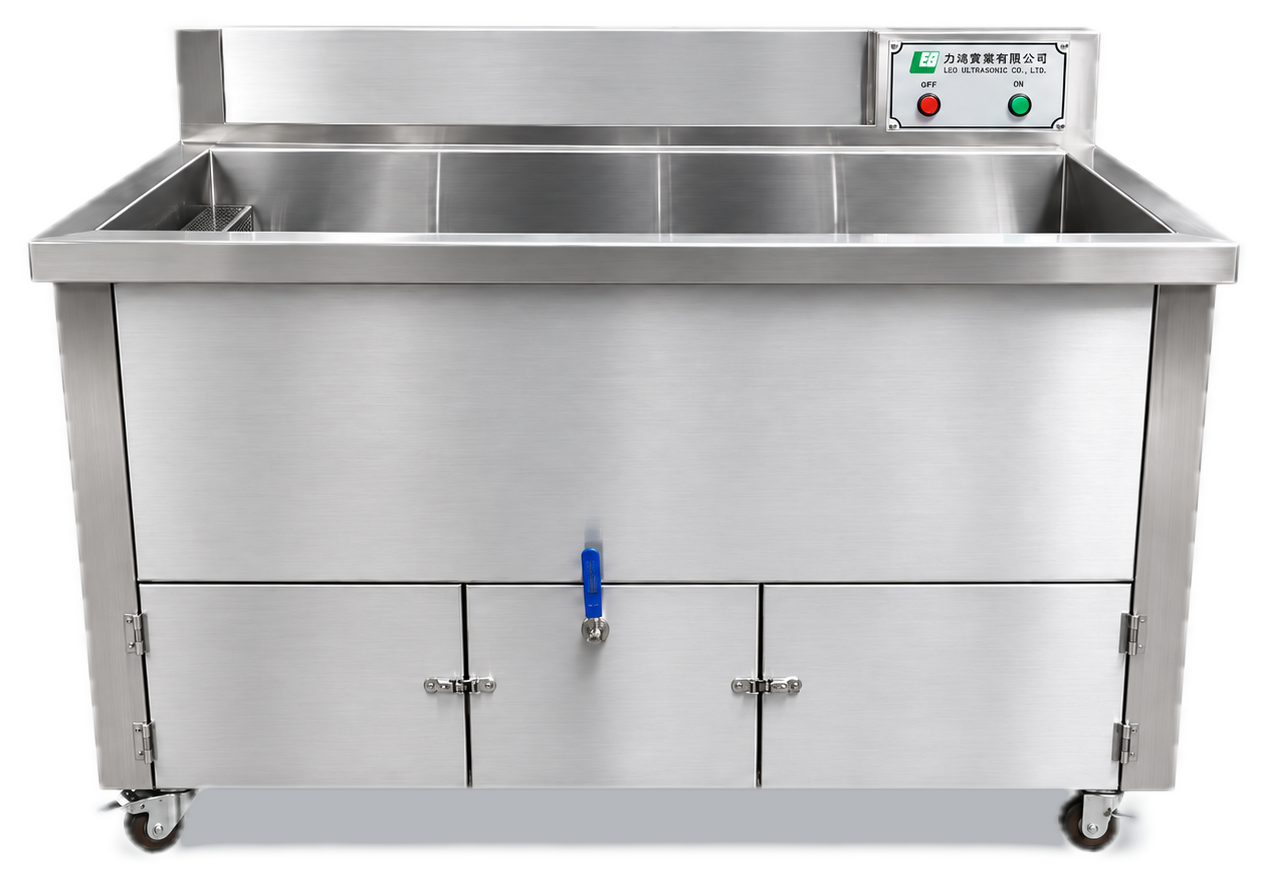
 Industrial single-tankView models
- Tank capacity
- 40–132L
- Inner tank (L × W × H)
- 400 × 300 × 330–600 × 500 × 440mm
- Ultrasonic power
- 600–1800W
- Ultrasonic frequency
- 28 / 40 / 80 / 120kHz
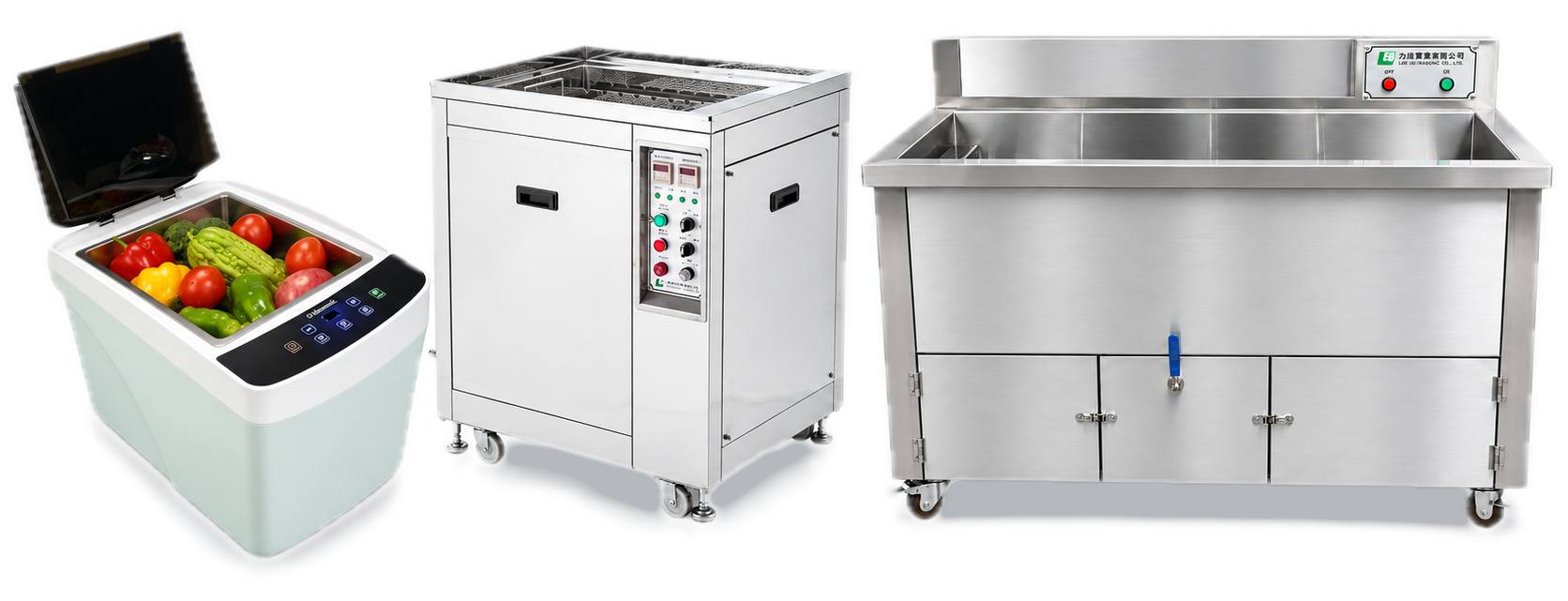
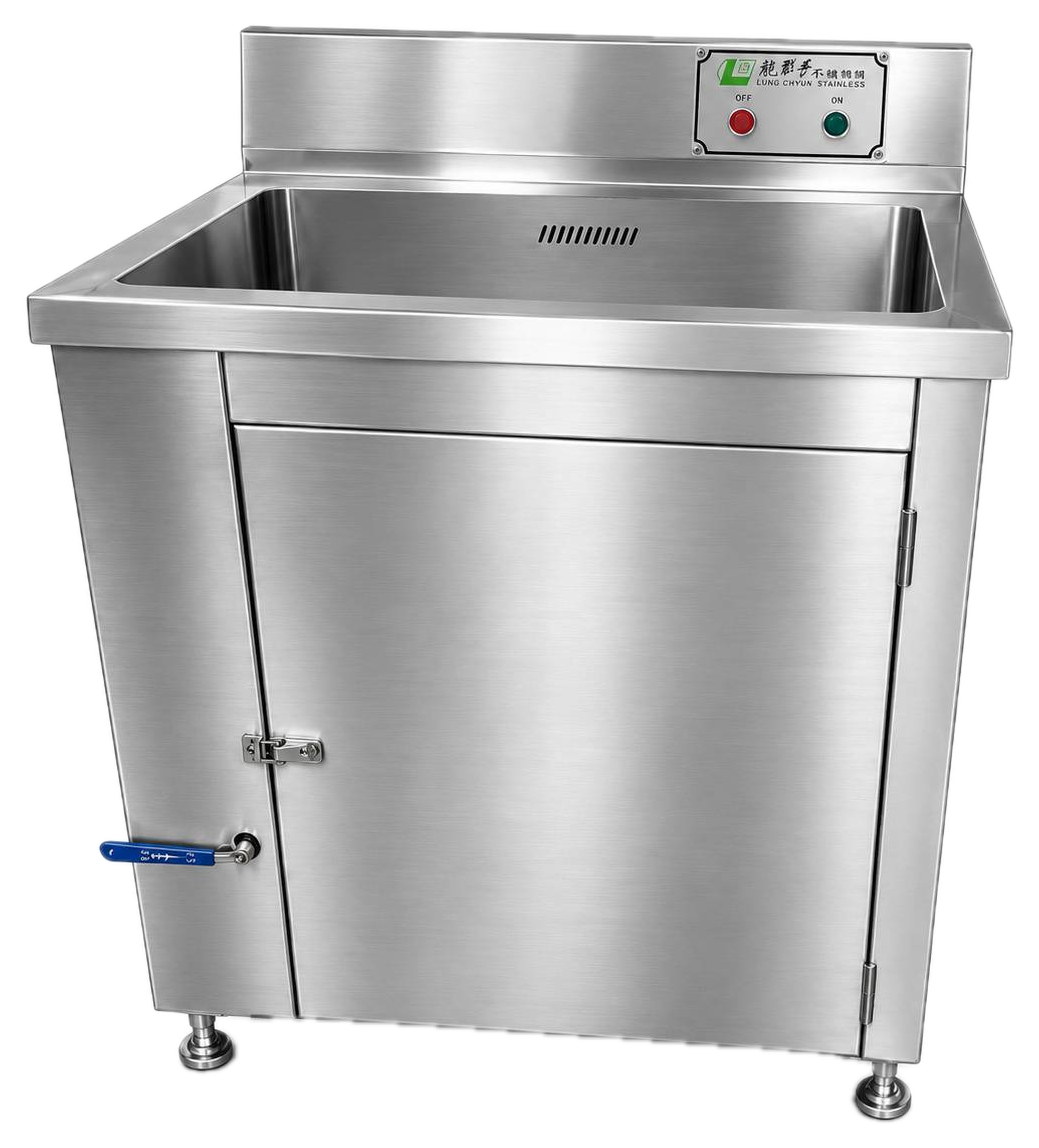
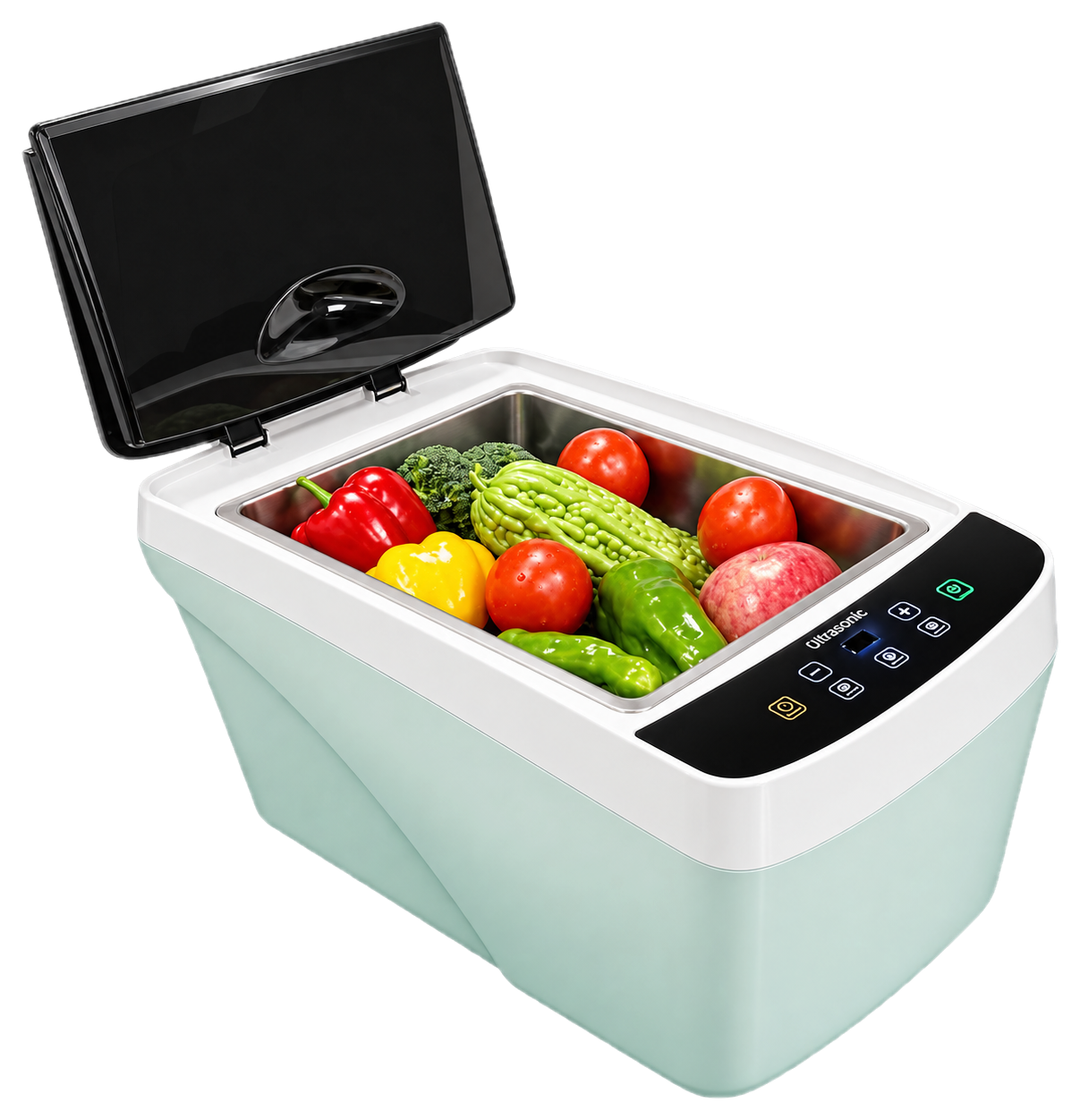
 Produce washersView models
- Tank capacity
- Not listed
- Inner tank (L × W × H)
- 320 × 210 × 160–1120 × 320 × 400mm
- Ultrasonic power
- 300–1800W
- Ultrasonic frequency
- 28 / 40kHz
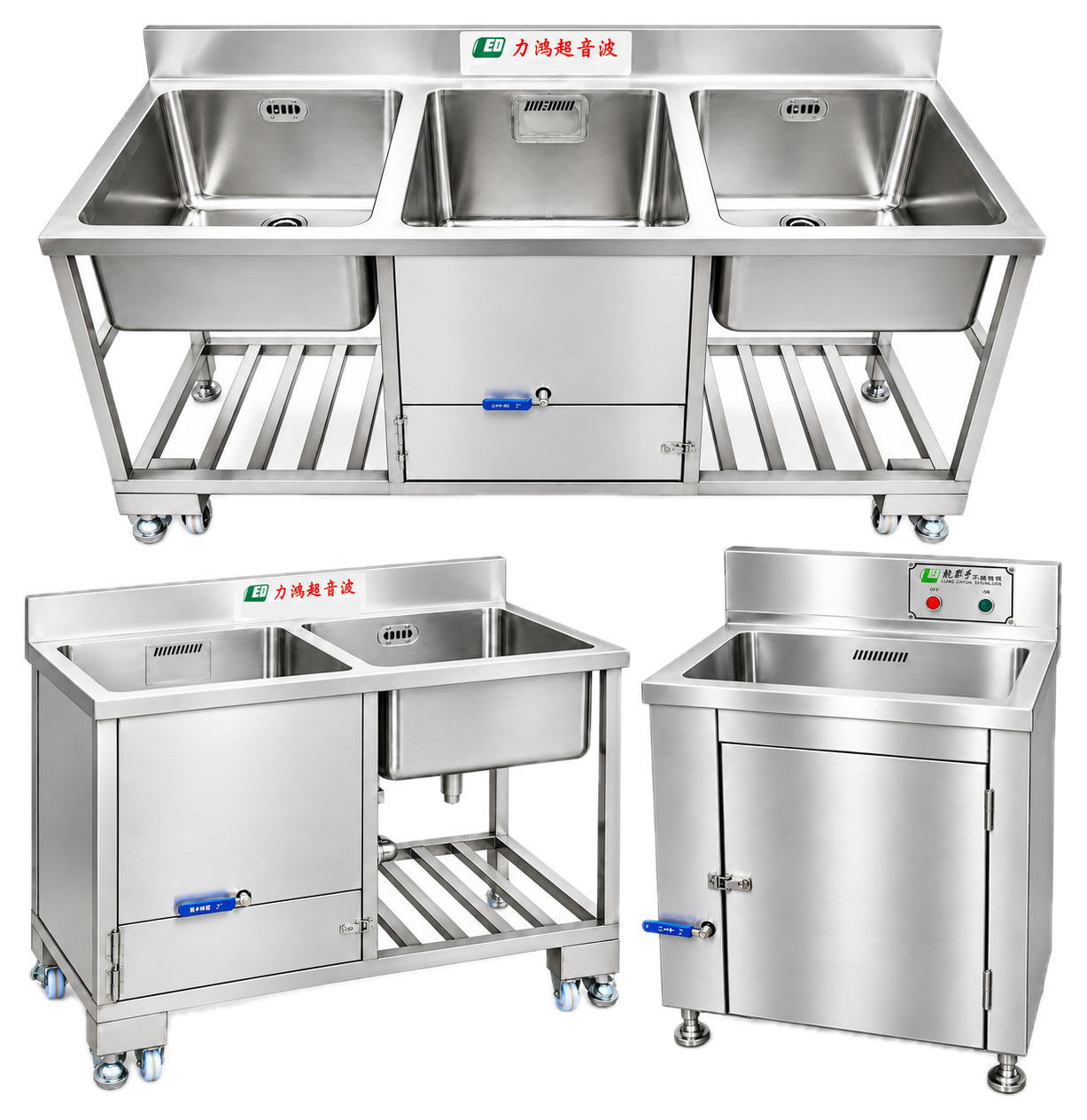
 Commercial dishwashersView models
- Tank capacity
- Not listed
- Inner tank (L × W × H)
- 500 × 400 × 350–720 × 480 × 350mm
- Ultrasonic power
- 600–1200W
- Ultrasonic frequency
- Not listed
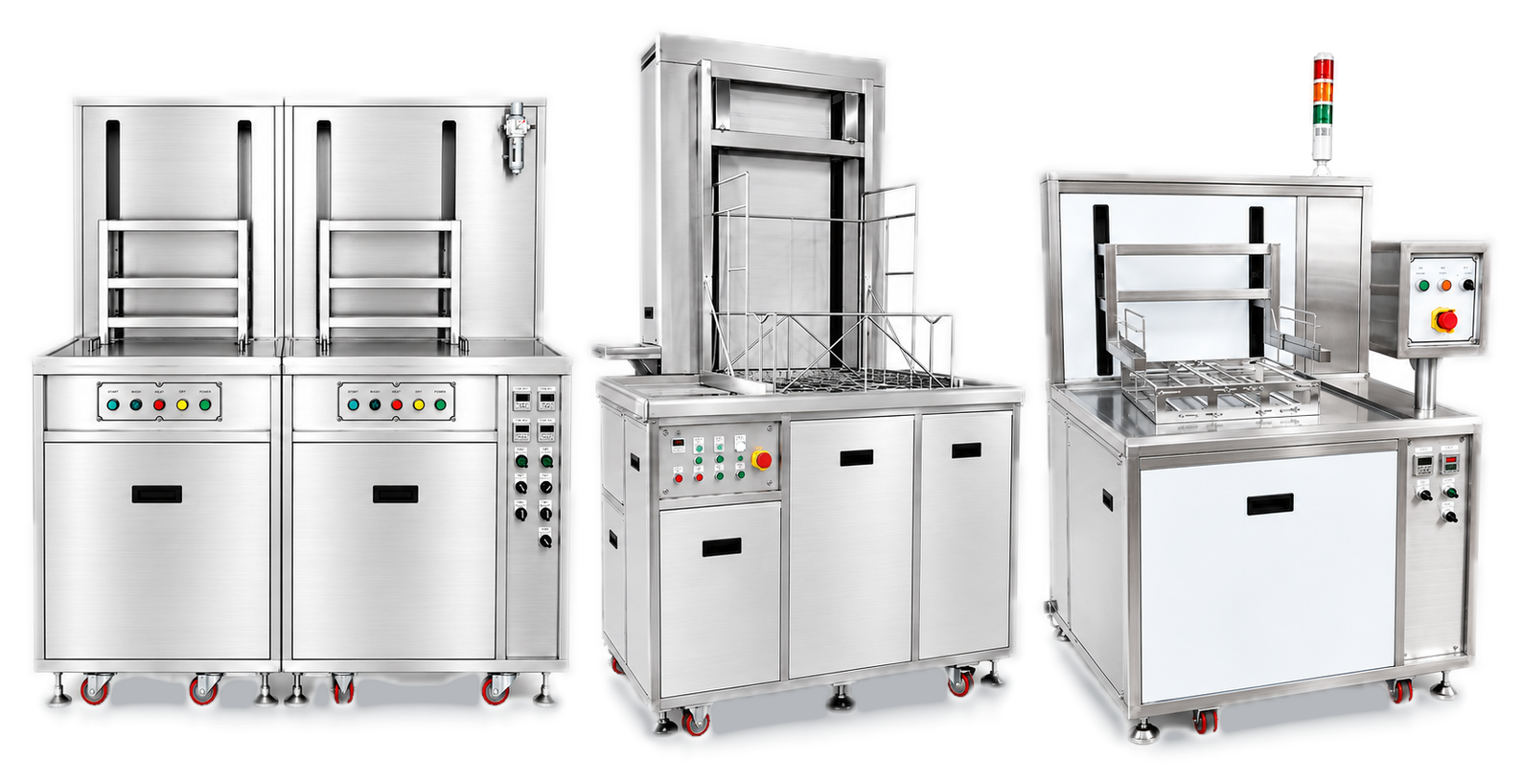 Power-liftView models Built to orderNo fixed sizes: designed around your parts and line
“—” means the spec sheets for that type do not list the figure.
From benchtop to fully automated lines
- STANDARDBenchtop and standard equipmentFrom 600 ml to 29 L, dial or digital, heated or not — the catalogue range for laboratories, workshops and service benches.
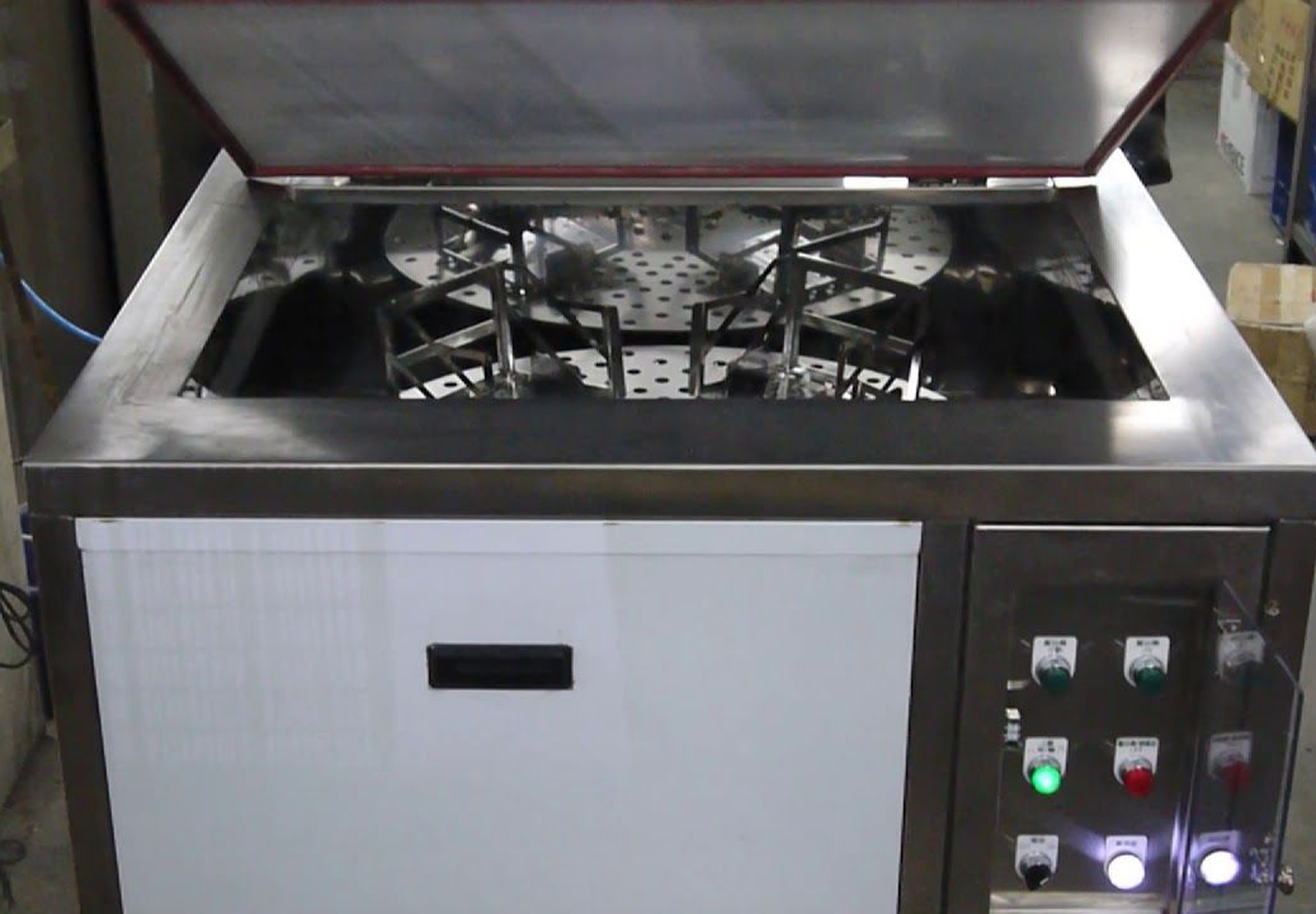
- INDUSTRIALIndustrial ultrasonic cleanersSingle- and double-tank machines, automatic lifting, immersible transducer packs and mould electrolysis — the production-floor range.
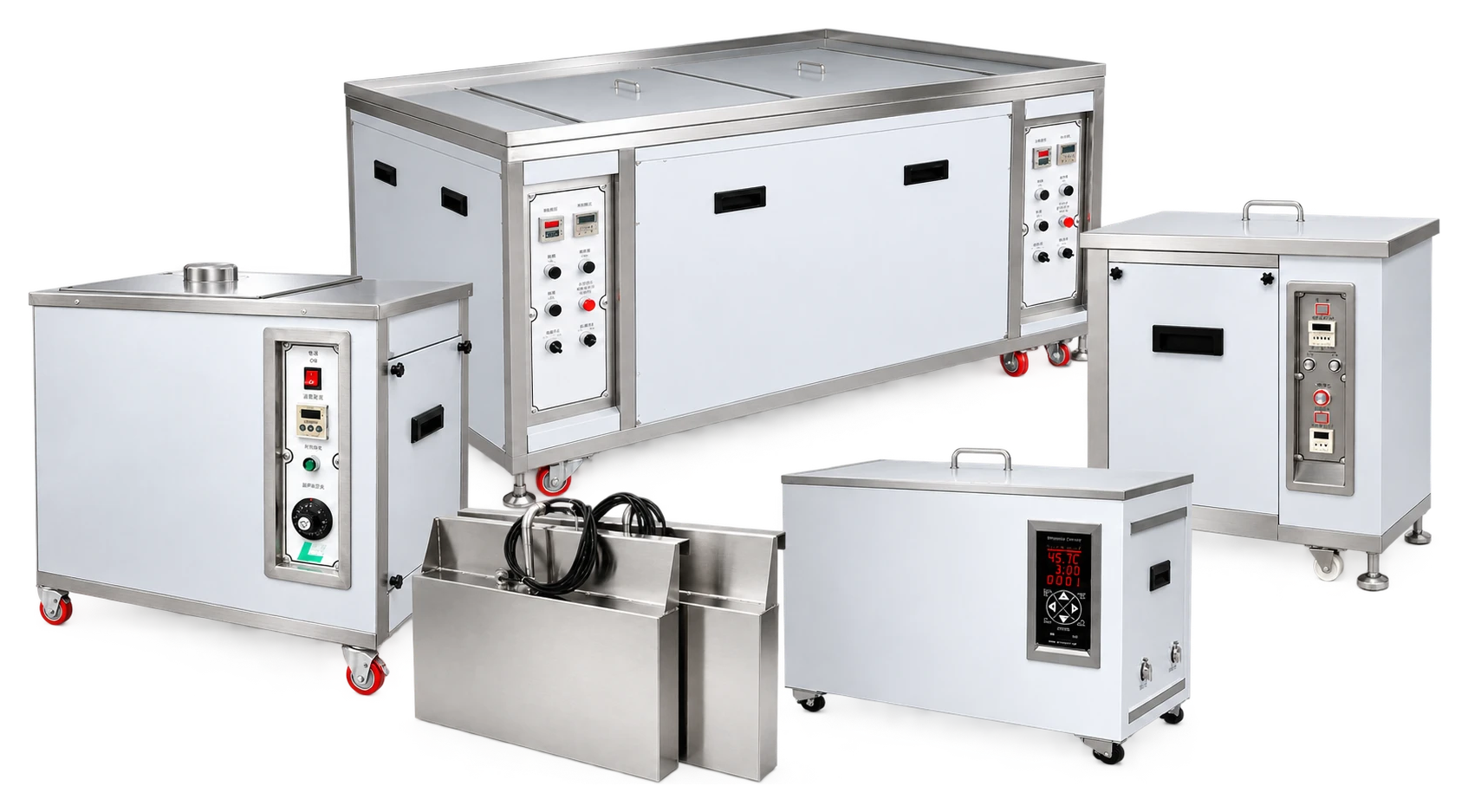
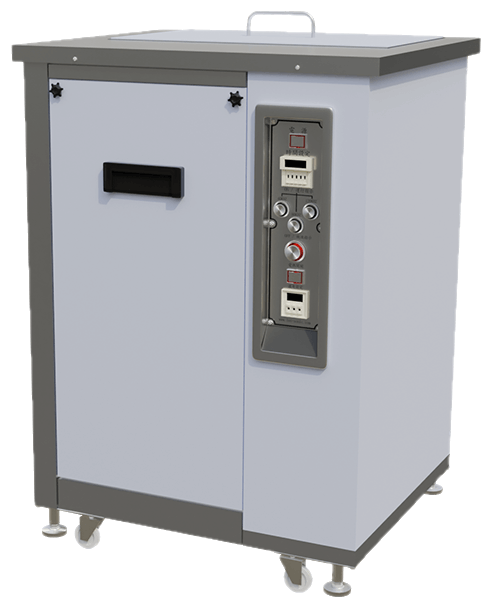
- PRECISIONMulti-frequency precision cleaning28, 40, 80 and 120 kHz, single, dual or three-frequency — each matched to the part and the soil.
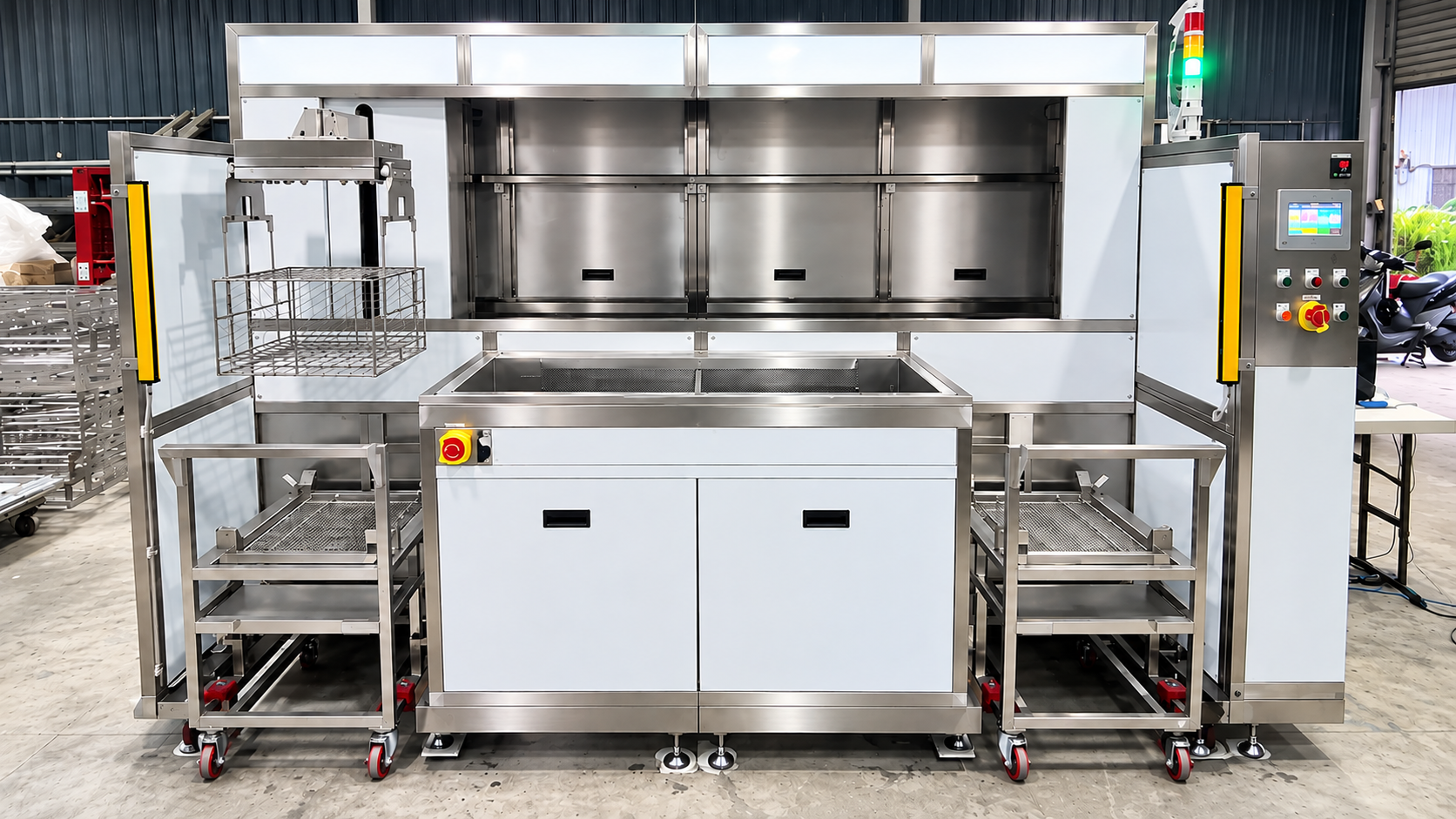
- MULTI-STAGEMulti-tank systems, deliveredNine-tank medical device lines, seven-tank lines for precision stamped parts, four-tank contact lens lines — built, installed and running.
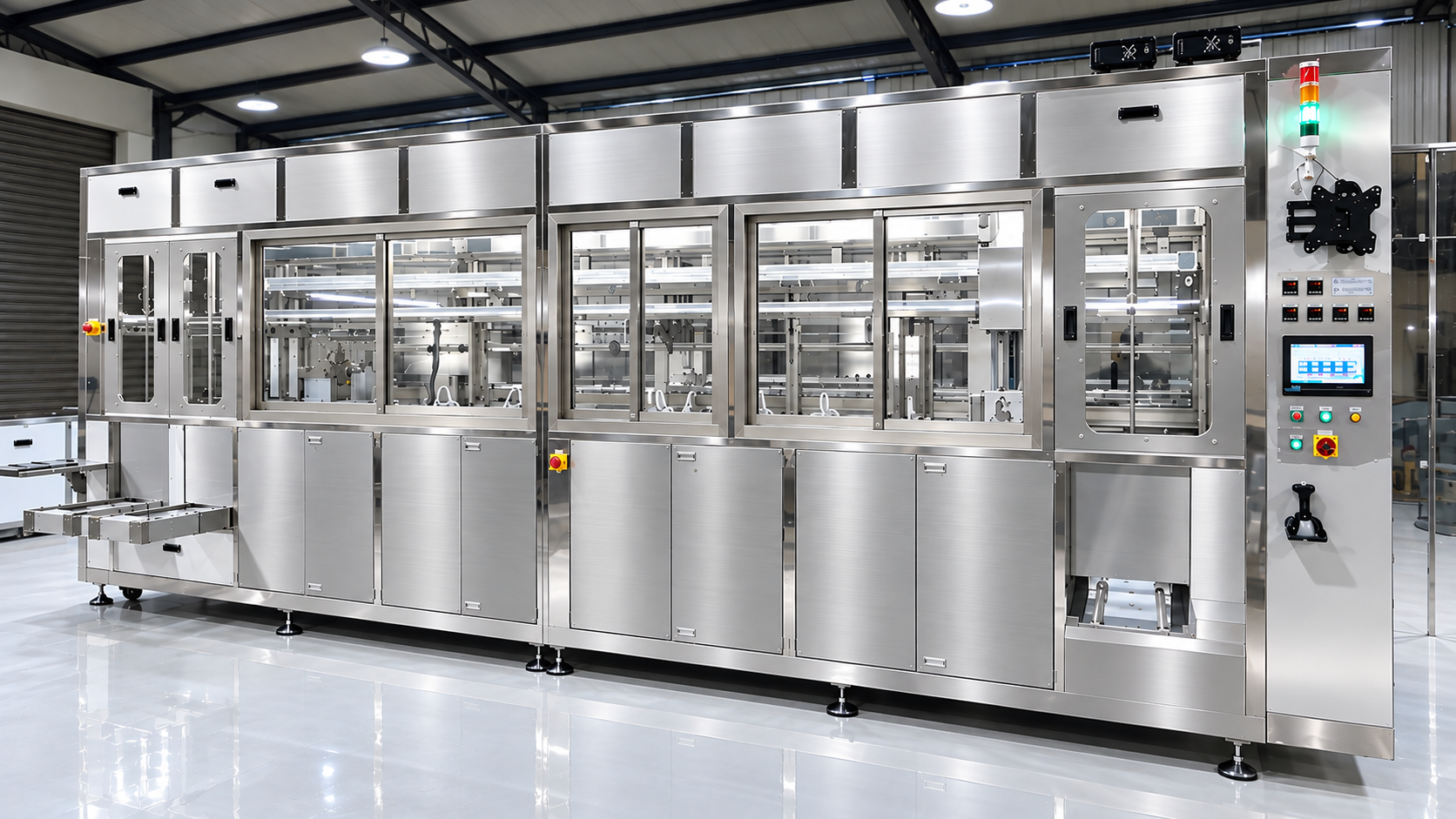
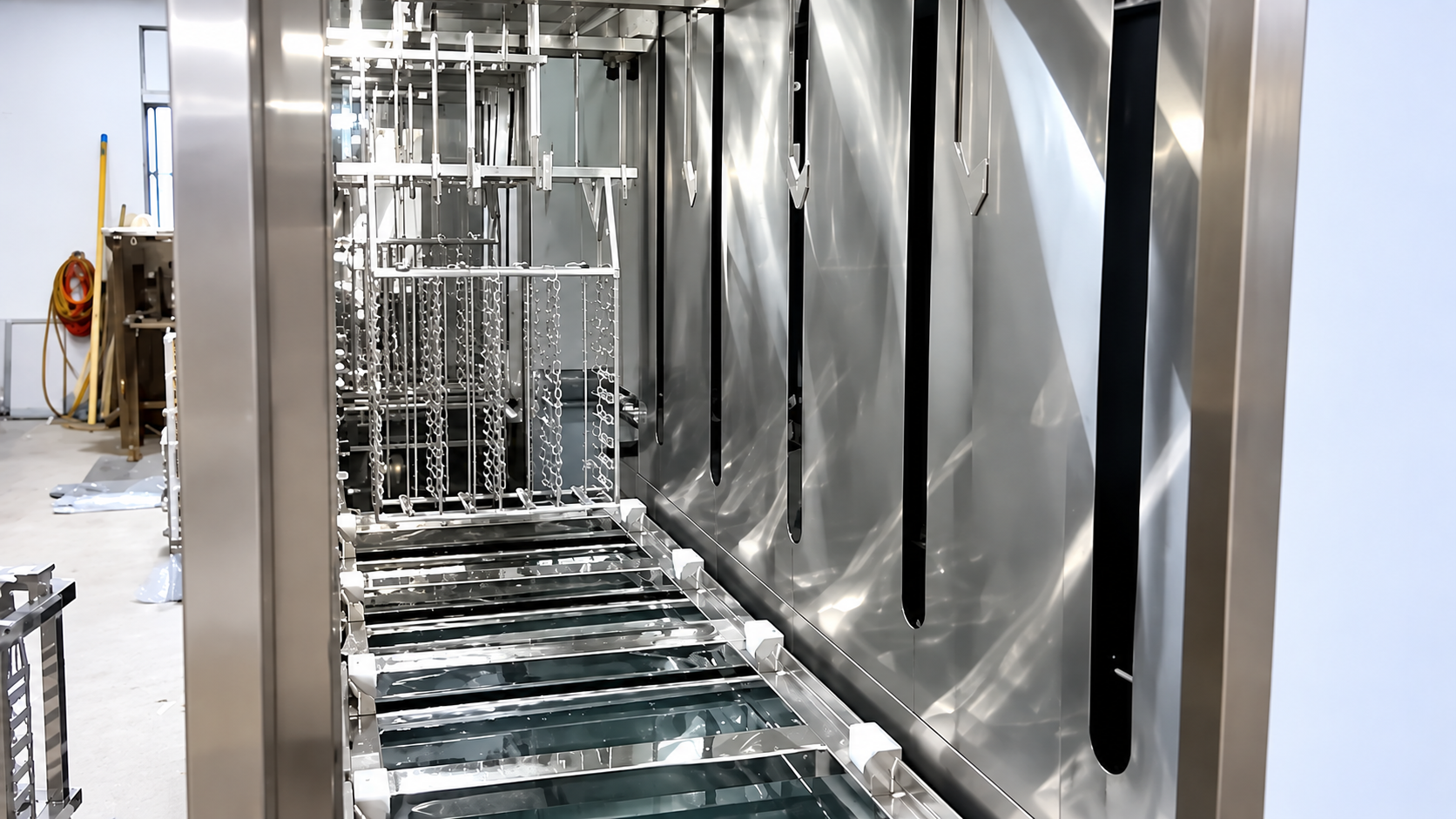
- AUTOMATEDTurnkey automated cleaning linesMulti-tank lines with their own transfer: ultrasonic wash, cascade rinse and hot-air dry in one pass, laid out around your workpiece and your cycle time.
Technology
Choosing a frequency
Frequency is matched to the part and the soil. 28 kHz cavitates hardest; 120 kHz lifts sub-micron particulate while leaving a polished face intact.
- 28 kHz28 kHz is the coarse end of the range. The cavitation bubbles are larger and collapse harder, which is what removes heavy, bonded soil — carbon, scale, drawing compound — from robust metal parts. The same energy will erode a soft or polished surface, so it is chosen for what the part can take, not only for what is on it.
- 40 kHz40 kHz is the general-purpose band and the one most of the range runs at. It is aggressive enough for machining oil and flux and gentle enough for most assembled parts, which is why a shop that runs one frequency usually runs this one.
- 120 kHz120 kHz is the fine end: bubbles small enough to lift sub-micron particulate without attacking the surface underneath. It is the band for optics, wafers and precision-lapped faces, where acceptance is measured by particle count.
In action
See ultrasonic cleaning at work
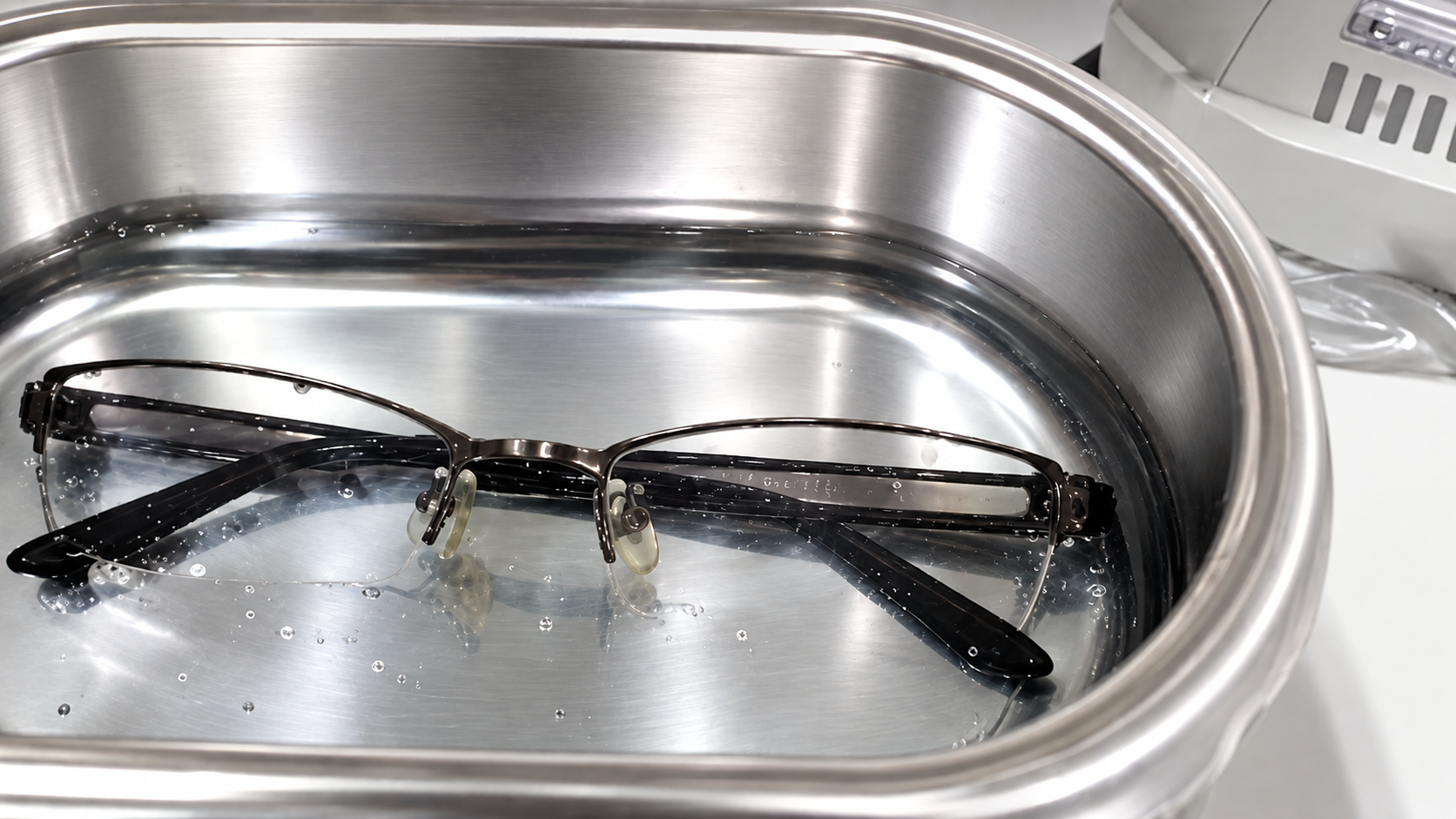
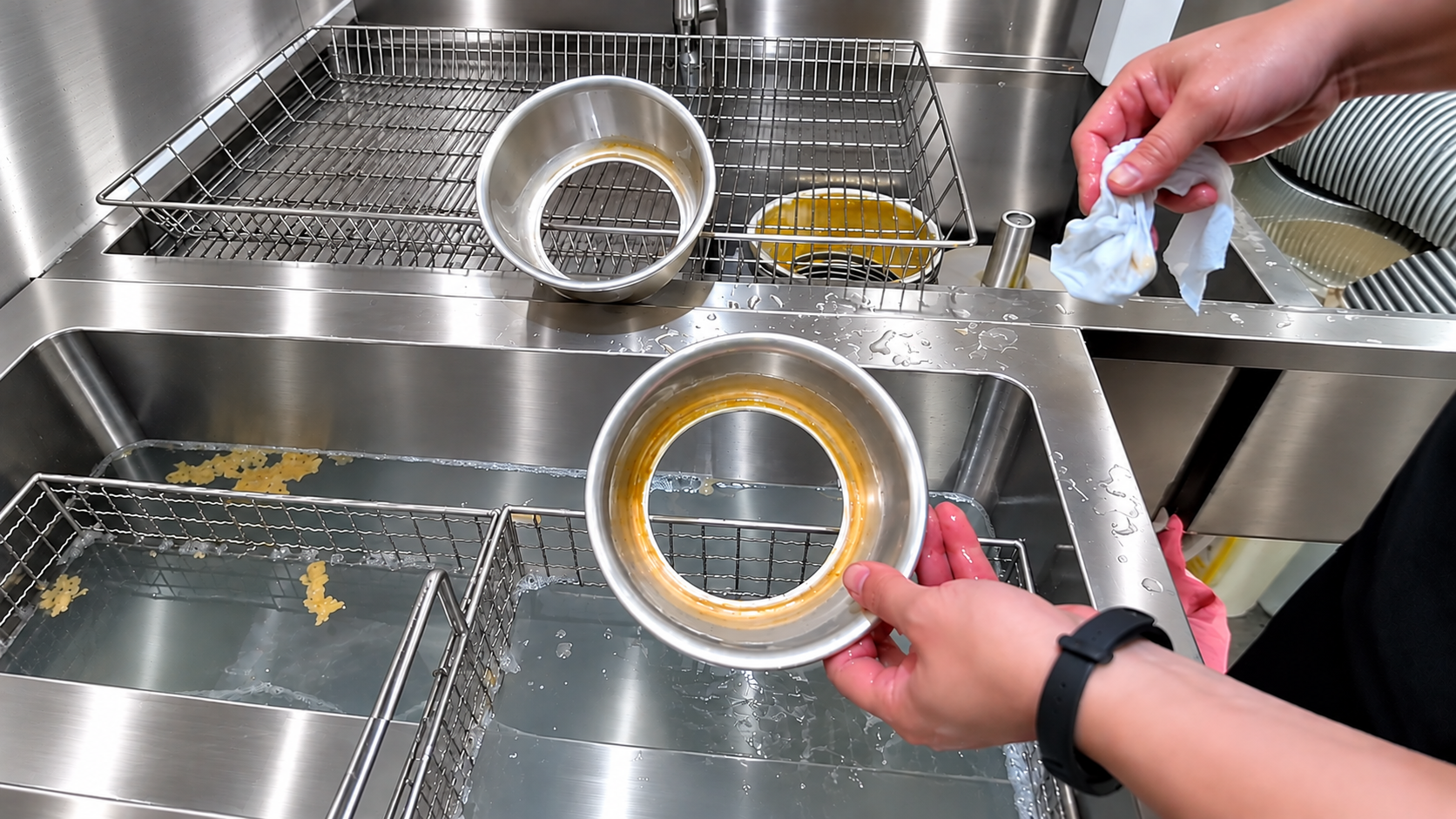
LEO machines running real cleaning cycles — from a fully automated multi-tank line to a benchtop cleaner and the household produce washer.
Why LEO
Generators, transducers, tanks and control software are developed in-house, so our own engineers design every non-standard tank size and custom frequency directly.
- Ultrasonic generators
- Transducers
- Cleaning tanks
- Control software
Case Studies
Proof from the shop floor
Real workpieces, real contamination, measured results.
EST 1987
Credentials
- Years manufacturing
- 39+
- Export countries
- 21
- ISO 9001
- CE
Request a Quote
Tell us what you need cleaned
Send us the part, the contaminant and your cycle time. Our engineers size the tank, the frequency and the process chain — and reply with a sized specification for your line.