Skip to content
Skip to content

Technology

Frequency is the control you set before anything else: it decides how hard cavitation hits and therefore what it removes and what it damages. Four bands, and the machines that switch between them.

Frequency selection and machine configuration

28 kHz

28 kHz is the coarse end of the range. The cavitation bubbles are larger and collapse harder, which is what removes heavy, bonded soil — carbon, scale, drawing compound — from robust metal parts. The same energy will erode a soft or polished surface, so it is chosen for what the part can take, not only for what is on it.

Learn more

40 kHz

40 kHz is the general-purpose band and the one most of the range runs at. It is aggressive enough for machining oil and flux and gentle enough for most assembled parts, which is why a shop that runs one frequency usually runs this one.

Learn more

80 kHz

80 kHz produces smaller, more numerous bubbles that penetrate narrow gaps and treat the surface more gently. It is the band for populated boards, fine-pitch assemblies and finished surfaces — where 40 kHz would clean but might also mark.

Learn more

120 kHz

120 kHz is the fine end: bubbles small enough to lift sub-micron particulate without attacking the surface underneath. It is the band for optics, wafers and precision-lapped faces, where acceptance is measured by particle count.

Learn more

Dual frequency

A dual-frequency machine switches between two bands in the same tank, so one line can run a coarse pass for the bulk soil and a fine pass for what is left — each job at its own frequency, in one machine.

Learn more

Three frequency

A three-frequency machine covers the coarse, general and fine bands in one tank. It suits a shop whose work mix genuinely spans them — heavy machined parts one day, finished assemblies the next — where buying three single-frequency tanks would be the alternative.

Learn more

Technical knowledge

Longer-form articles on how ultrasonic cleaning works, how to choose a machine, and what to do when it misbehaves — written by the engineers who build them.

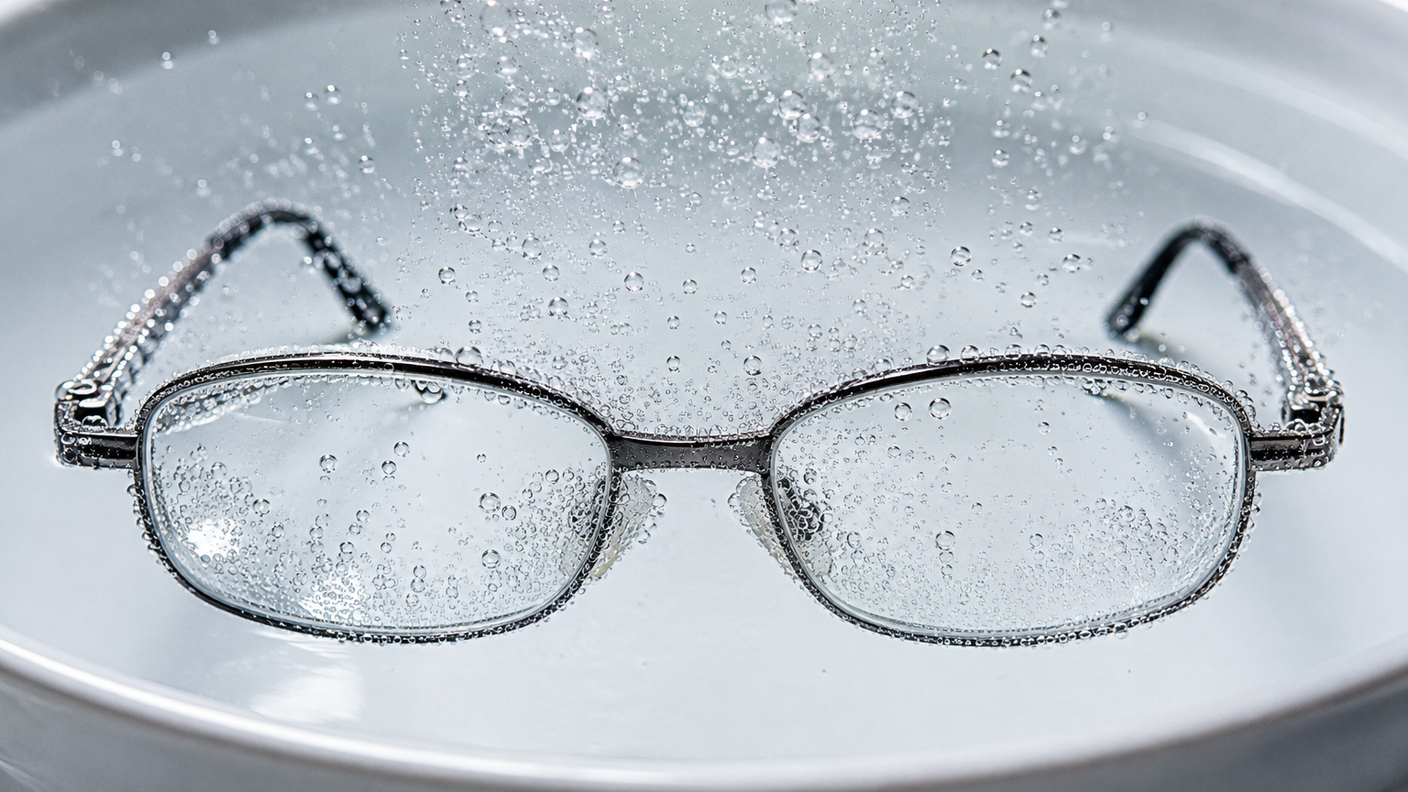
A pair of metal-framed eyeglasses submerged in clear water in a white bowl, fine bubbles clinging to the lenses and rising above them
Optics & eyewear

How Well Do Ultrasonic Cleaners Clean Eyeglasses?

Do ultrasonic eyeglass cleaners really work? The compact ultrasonic cleaners sold for home use will clean spectacles well, but a few points matter. LEO Ultrasonic has collected them here.

Read more
View all
Request a Quote

Tell us what you need cleaned

Send us the part, the contaminant and your cycle time. Our engineers size the tank, the frequency and the process chain — and reply with a sized specification for your line.

LINEPhoneRequest a Quote