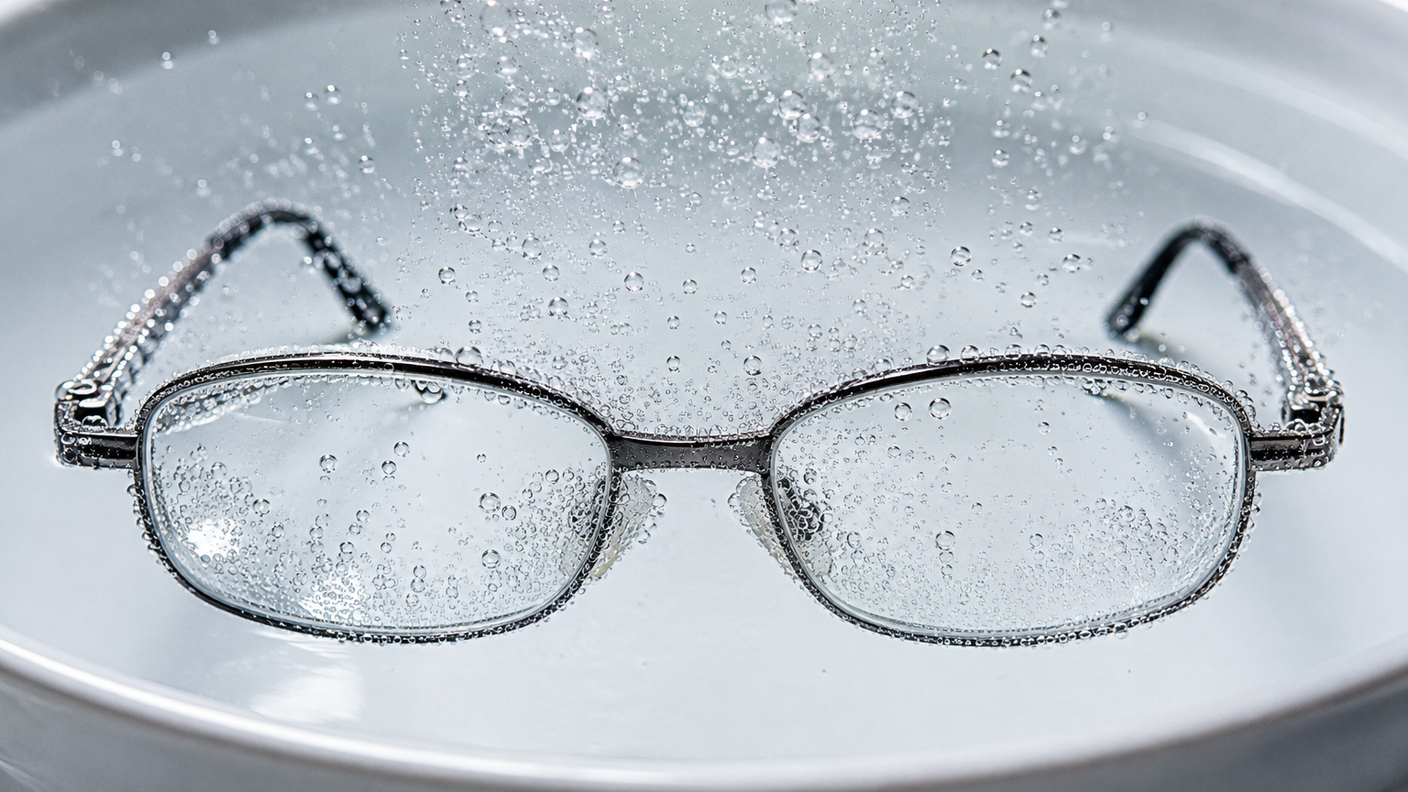
Does ultrasonic cleaning really work on eyeglasses, and how well?
Glasses are an everyday necessity, so keeping them clean matters. How do you clean yours? Some people wash them by hand, others use a machine.
At home, glasses are usually rinsed under the tap and wiped with a cloth — which does not really get them clean.
The compact ultrasonic cleaners sold for consumers will clean eyeglasses well, but there are a few things to watch:
1. Choose a suitable cleaning solution
Ultrasonic cleaning of eyeglasses needs a suitable detergent. Ordinary washing-up liquid works well and removes skin oils easily. Avoid aggressive or corrosive products, which can damage the frames and lens coatings.
2. Fill the cleaner to the correct level, and never use hot water
Follow the instructions and fill the tank to the marked level. Too little or too much water degrades the cleaning result and can damage the unit. Avoid hot water as well: many lenses carry special coatings that will not tolerate it.
The LEO-50 ultrasonic eyeglass cleaner combines the penetration of sound waves travelling through the liquid with cavitation shock waves, lifting surface soil and dust quickly for a high standard of cleanliness — without harming the glasses themselves.
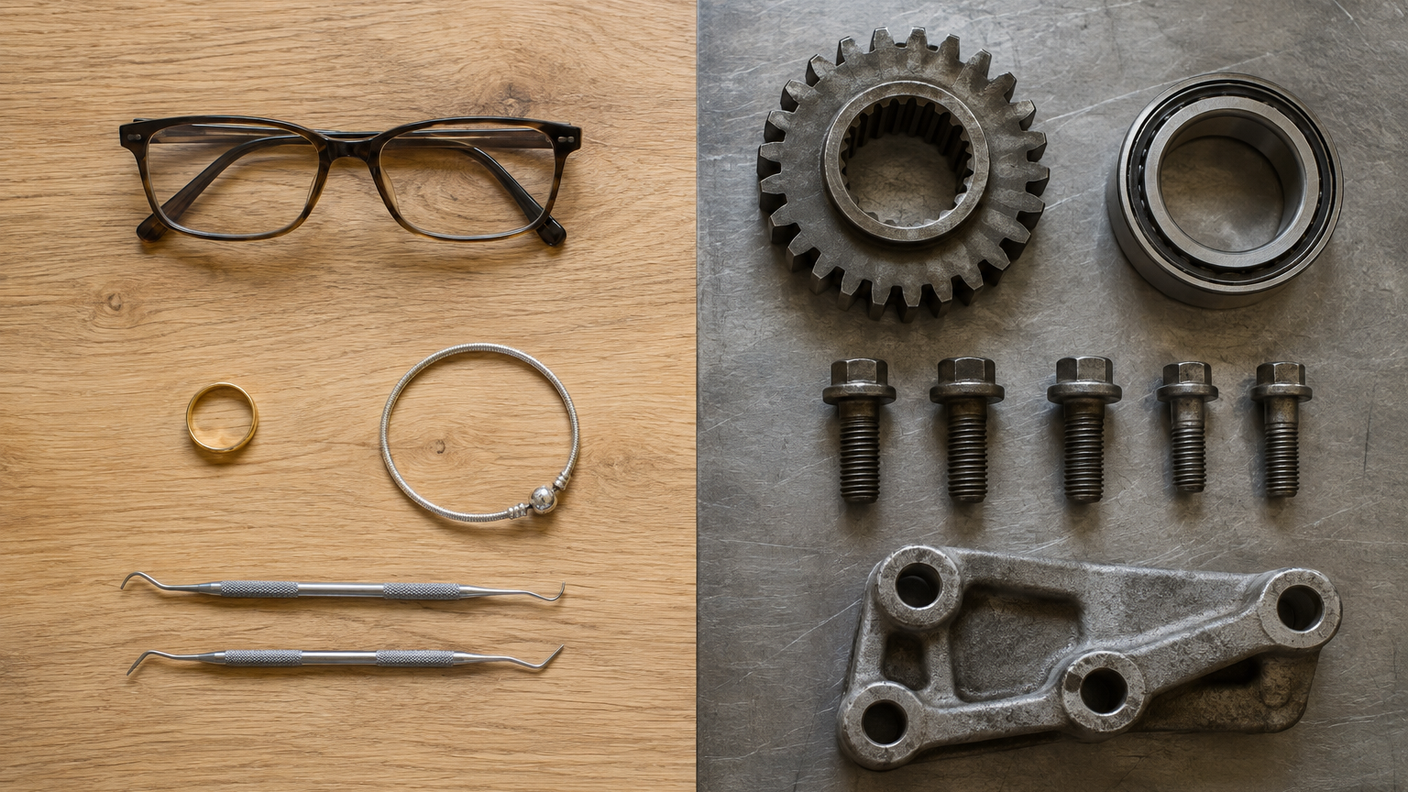
Beyond eyewear, ultrasonic cleaners are widely used in engineering, medical and jewellery applications.