When considering ultrasonic cleaning solutions, it’s important to understand the differences between home ultrasonic cleaners and commercial ultrasonic cleaners. While both use high-frequency sound waves to clean items effectively, they are designed for different scales, applications, and user needs.
Key Differences Between Home and Commercial Ultrasonic Cleaners
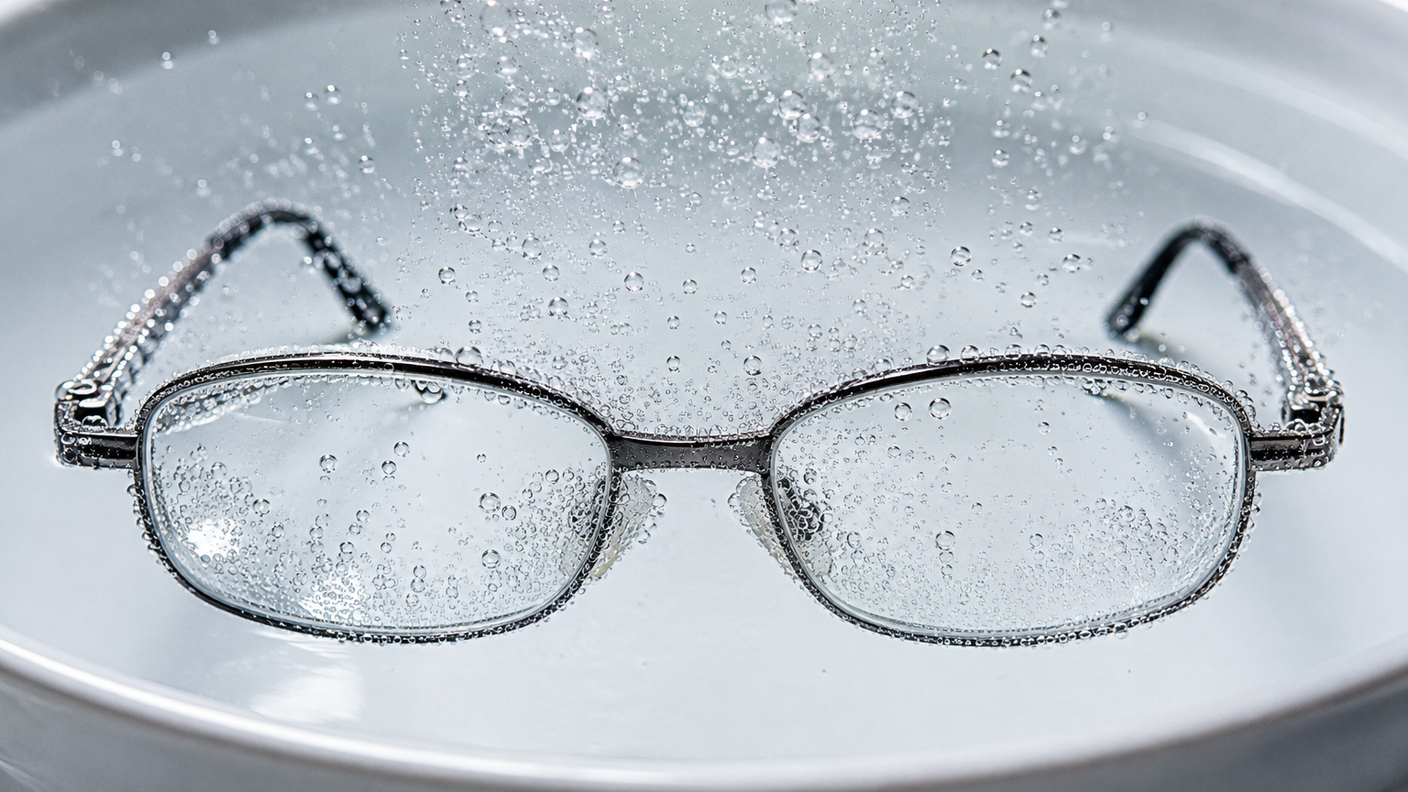
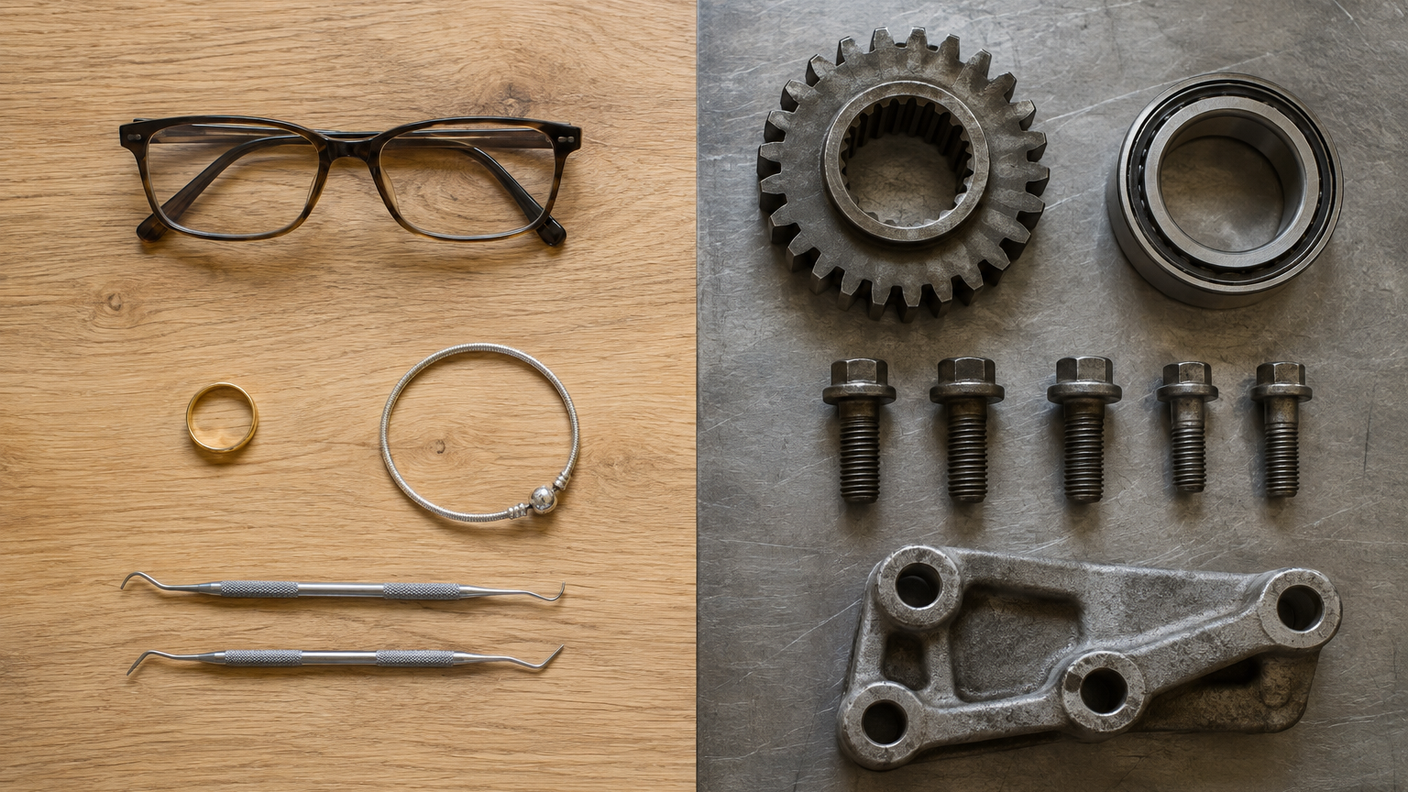
Home ultrasonic cleaners, also known as benchtop or household ultrasonic washers, focus on compactness, convenience, and safe operation for occasional use. They are ideal for cleaning delicate items such as jewelry, eyeglasses, small dental tools, or hobby electronics.
Commercial ultrasonic cleaners, on the other hand, are built for professional applications. They emphasize large capacity, high cleaning power, repeatable performance, and continuous operation. These industrial-grade units are often used for medical device preparation, automotive parts, precision manufacturing, and laboratory batch processing.
Home vs Commercial Ultrasonic Cleaner: Side-by-Side Comparison
| Feature / Aspect | Home Ultrasonic Cleaner | Commercial Ultrasonic Cleaner |
|---|---|---|
| Size & Capacity | Compact, portable, 0.5–3L tanks (benchtop ultrasonic cleaner, household ultrasonic washer) | Large tanks from 5L to 100L+ (industrial ultrasonic washer, professional ultrasonic cleaner) |
| Power & Performance | Lower wattage, 1–2 transducers Suitable for delicate items | Higher wattage per liter, multiple transducers Strong cavitation for heavy-duty cleaning |
| Frequency Range | Higher frequency (40–80 kHz) Gentle cleaning for jewelry, eyeglasses, small electronics | Lower to mid frequency (25–40 kHz) Aggressive cleaning for grease, oils, and industrial parts |
| Ease of Use | Simple controls, preset timers, easy setup | Advanced digital controls, programmable cycles, integration with production lines |
| Duty Cycle | Intermittent use only, not designed for 24/7 operation | Built for continuous or high-volume duty cycles, stable for long-term use |
| Durability | Lightweight stainless steel, thinner tank walls | Heavy-gauge stainless steel, reinforced construction, replaceable parts |
| Safety Features | Auto shutoff, splash guard, basic overload protection | Industrial safety: emergency stop, interlocks, compliance with industrial standards |
| Applications | Jewelry, eyeglasses, dental tools, hobby electronics, grooming accessories | Medical device prep, industrial degreasing, automotive components, precision manufacturing |
| Cost & Investment | Affordable, consumer-level pricing | Higher investment, suited for businesses and professional operations |
Choosing the Right Ultrasonic Cleaner
- Choose a home ultrasonic cleaner if you need a compact, easy-to-use unit for occasional delicate cleaning. These units prioritize safety, convenience, and moderate cleaning power.
- Choose a commercial ultrasonic cleaner if your focus is on throughput, repeatable cleaning cycles, industrial durability, and professional applications.
For reference, LEO Ultrasonic Co., LTD offers high-quality options for both home and commercial use: