Skip to content
Skip to content

80 kHz

80 kHz produces smaller, more numerous bubbles that penetrate narrow gaps and treat the surface more gently. It is the band for populated boards, fine-pitch assemblies and finished surfaces — where 40 kHz would clean but might also mark.

Recommended frequency
80 kHz
Products

Machines that run this frequency

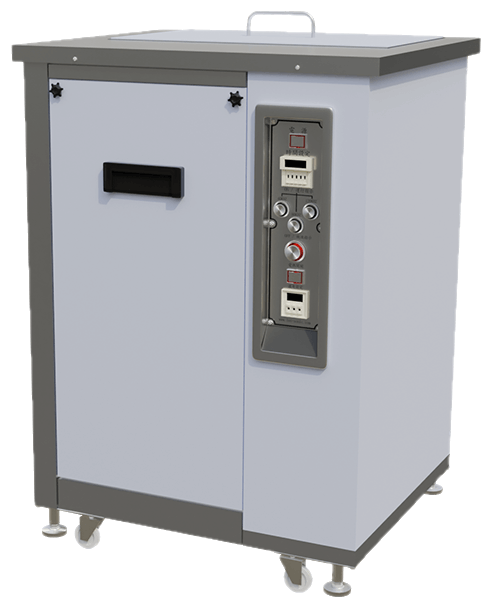
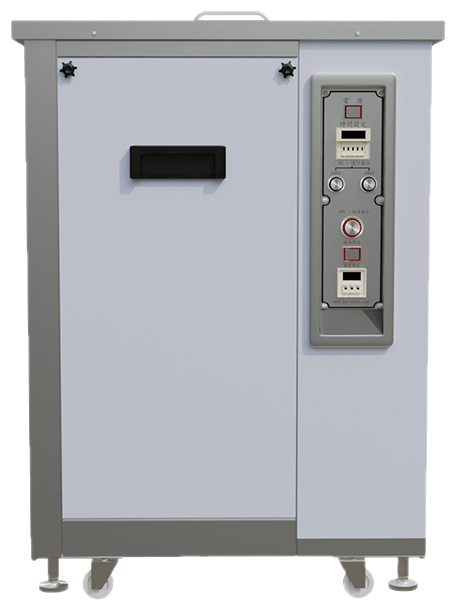
Dual-frequency single tank integrated ultrasonic cleaner, with the control panel on the right
L2-10600

Dual Frequencies Integrated Series Single Tank Ultrasonic Cleaner

Enhance your industrial cleaning with LEO dual-frequency single tank ultrasonic cleaner. This integrated single tank ultrasonic cleaning machine is perfect for heavy industry, electronics, and medical devices, delivering precision and efficiency.

Industrial Ultrasonic Cleaner
Tank Capacity
40–99L
Ultrasonic Frequency
28–120kHz
Ultrasonic Power
600–1500W
Three-frequency single tank integrated ultrasonic cleaner, with the control panel on the right
L3-10600

Three Frequencies Single Tank Ultrasonic Cleaner

Optimize cleaning with LEO single tank ultrasonic cleaning machine featuring three frequencies (40, 80, 120 kHz). Our three frequencies single tank ultrasonic cleaner is perfect for metal parts to sensitive optics, ensuring versatile and precise results.

Industrial Ultrasonic Cleaner
Tank Capacity
40–99L
Ultrasonic Frequency
40/80/120kHz
Ultrasonic Power
600–1500W
Contaminants

Contamination it is recommended for

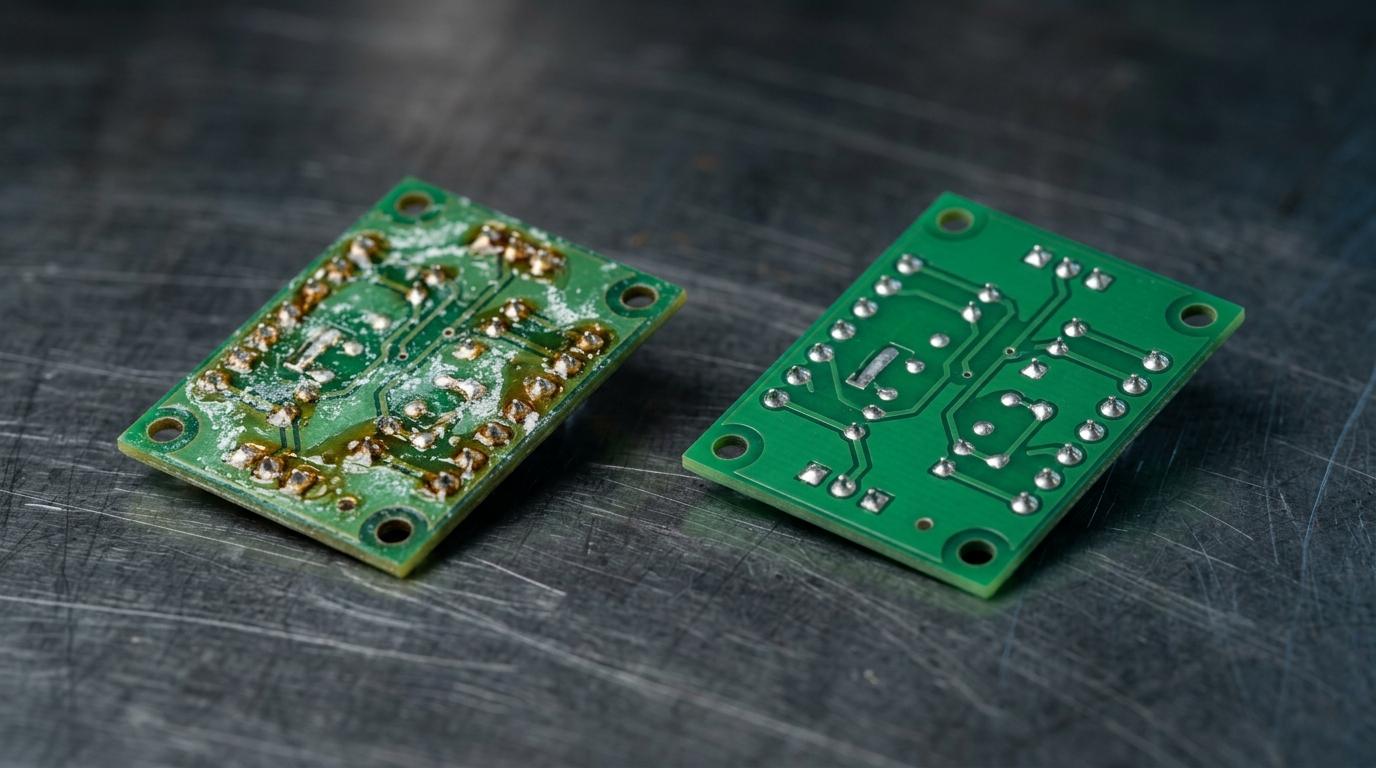
Flux residue: the same component before and after ultrasonic cleaning

Flux residue

Flux residue is the activator-and-rosin film soldering leaves behind on boards, terminals and connectors. Its acidic activators keep attacking metal and its rosin traps ionic contamination, so it causes corrosion and leakage current. Ultrasonic cleaning at 40 to 80 kHz in a warm saponifier reaches under components where spray cannot.

40 / 80 kHz
Learn more
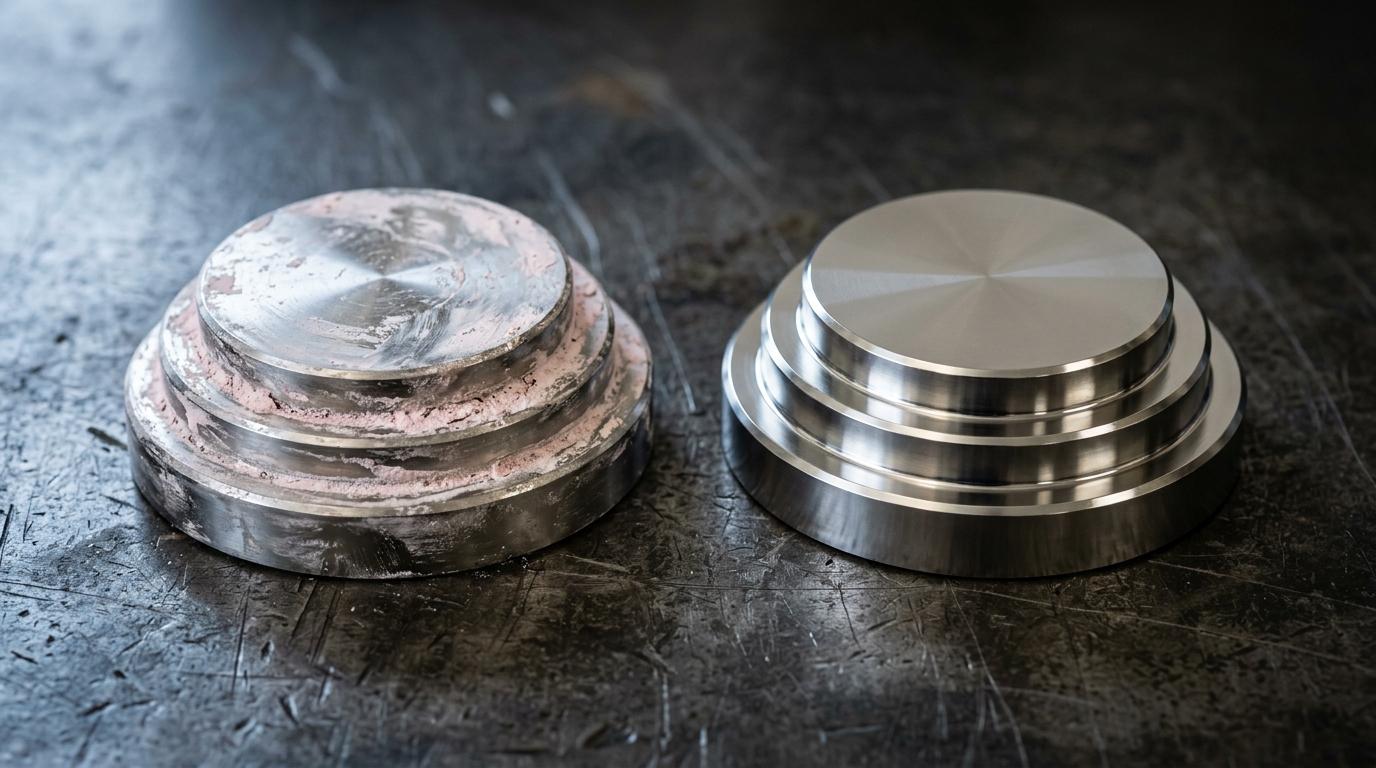
Polishing compound and slurry: the same component before and after ultrasonic cleaning

Polishing compound and slurry

Polishing compound is the abrasive-in-binder residue left by lapping, buffing and CMP — cerium oxide, alumina, colloidal silica or diamond paste in a wax or grease carrier. It is engineered to adhere and it dries into a film. Warm detergent plus 40 to 80 kHz cavitation removes it without touching the surface.

40 / 80 kHz
Learn more
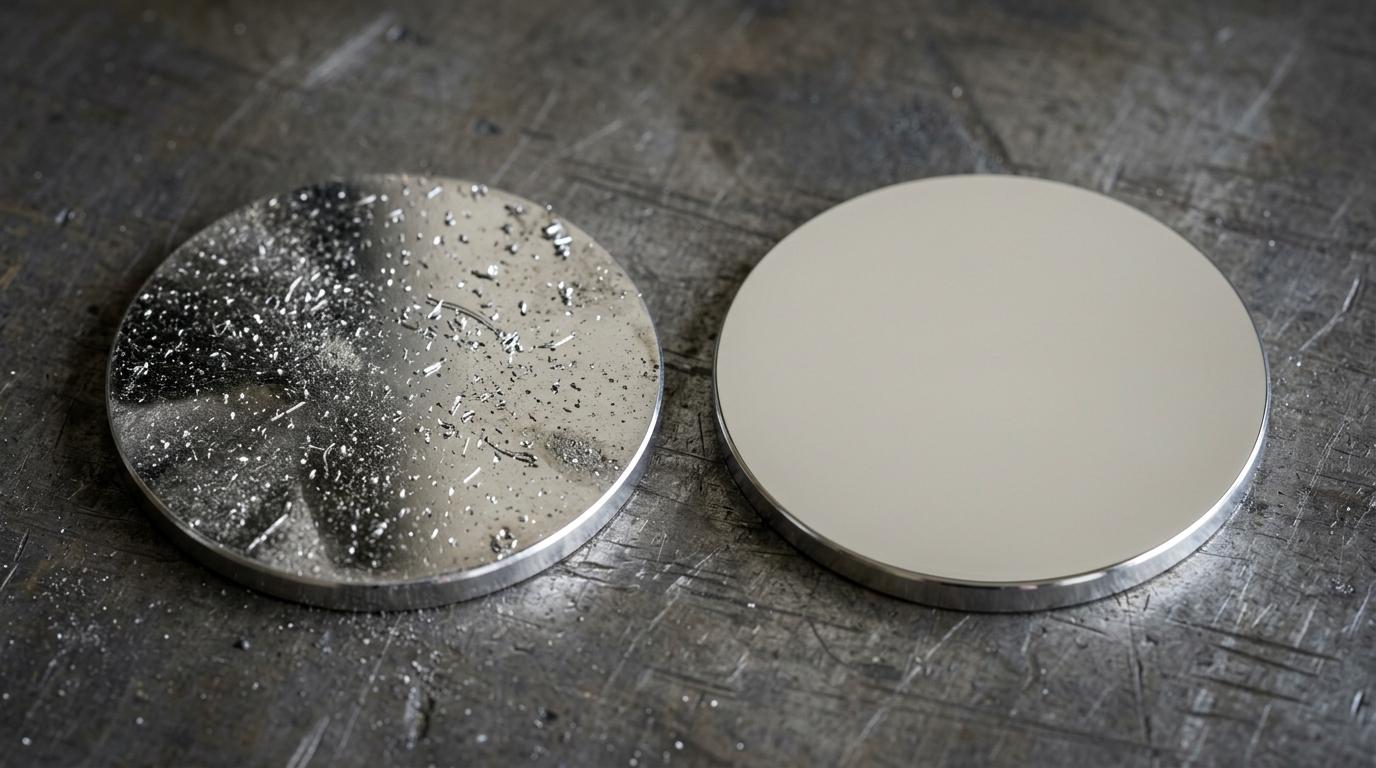
Particulate and metal fines: the same component before and after ultrasonic cleaning

Particulate and metal fines

Particulate contamination is loose solid matter — metal fines, swarf, glass and silicon dust, abrasive grit — held on a surface by static charge, surface tension and geometry rather than by chemistry. Nothing dissolves it. High-frequency ultrasonic cleaning at 80 to 120 kHz lifts particles and filtration takes them out.

80 / 120 kHz
Learn more
Industries

Industries that specify it

Close-up of printed circuit board traces and solder pads

PCB & Electronics

Ultrasonic cleaning for connectors, terminals, stamped conductive parts, PCBs and FPCs, heat-dissipation parts and machined housings — flux, oil and fine particulate out of blind holes and slits.

Learn more
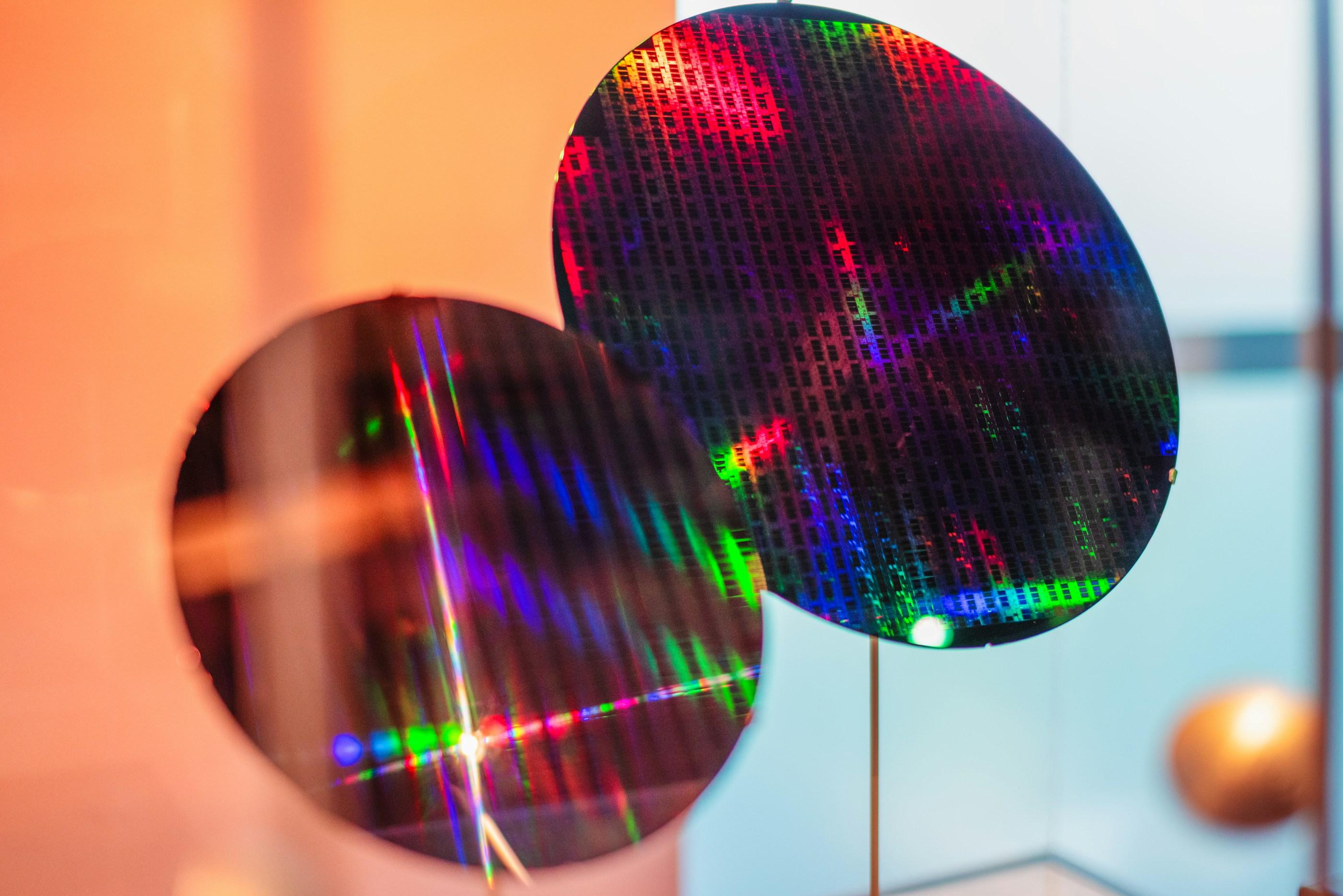
Two silicon wafers, their die arrays catching the light in rainbow colours

Solar & Semiconductor

Ultrasonic cleaning and centrifugal drying for silicon wafers, solar panels, quartz carriers and chamber hardware — 40, 80 and 120 kHz in one tank where the process needs all three.

Learn more
A row of coated optical lens elements with coloured coating reflections

Optics, Glass & Lenses

Ultrasonic cleaning for optical glass, resin spectacle lenses, contact lenses, phone cover glass and camera modules — and the pre-ovens, drying ovens and hardening machines around them.

Learn more
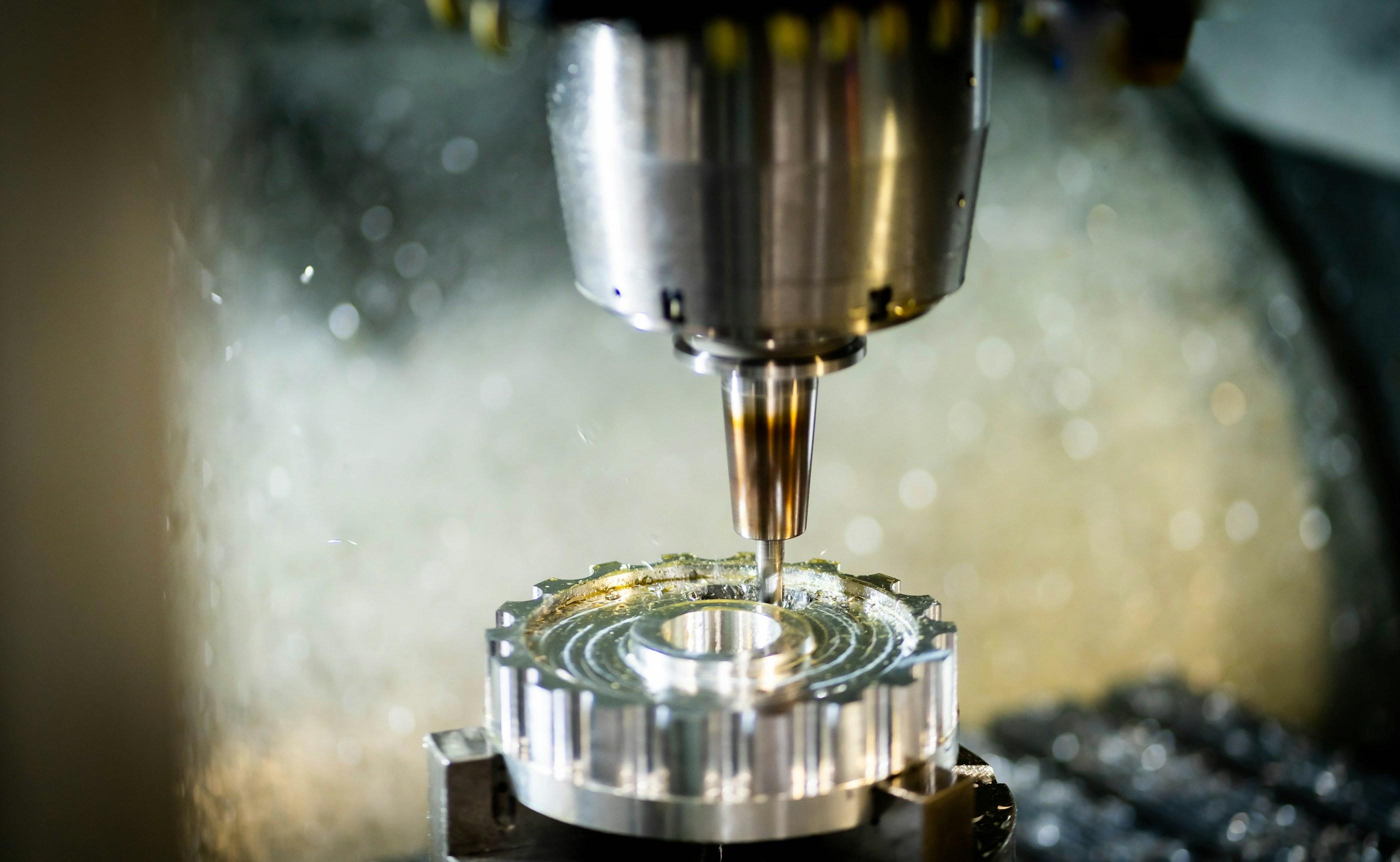
CNC spindle milling an aluminium part amid coolant mist and chips

Precision Machining & Metal Stamping

Ultrasonic cleaning for stamped parts, machined components, bearings, motor housings and steel tube — single tanks through to nine-stage automated lines with air-knife blow-off and drying.

Learn more
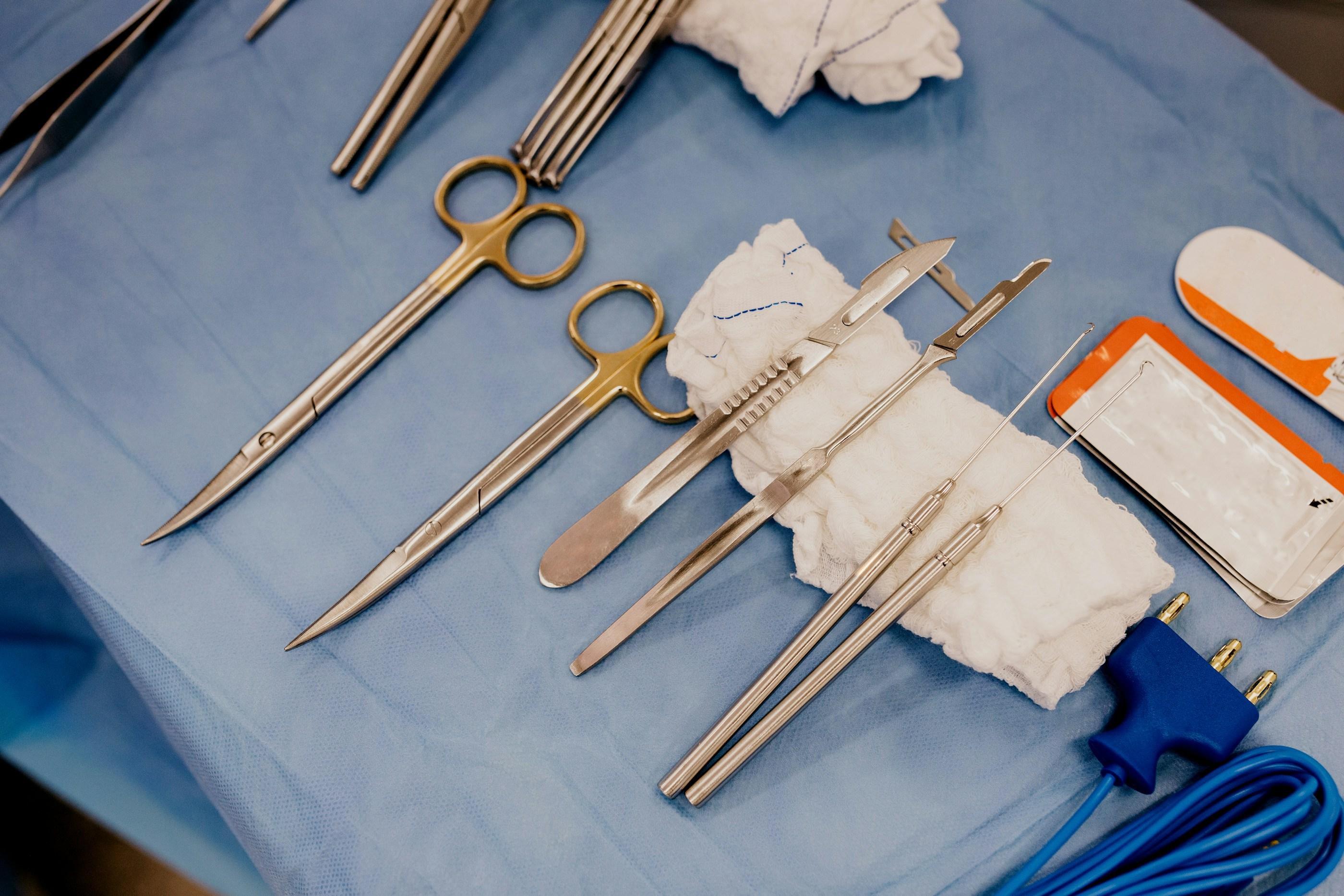
Surgical scissors, forceps and scalpels laid out on a blue sterile drape

Medical, Dental & Surgical Instruments

Ultrasonic cleaning for surgical instruments (including da Vinci instruments), dental and orthopaedic implants, device components and glass vials — from 6 L benchtop units to nine-stage automated lines.

Learn more
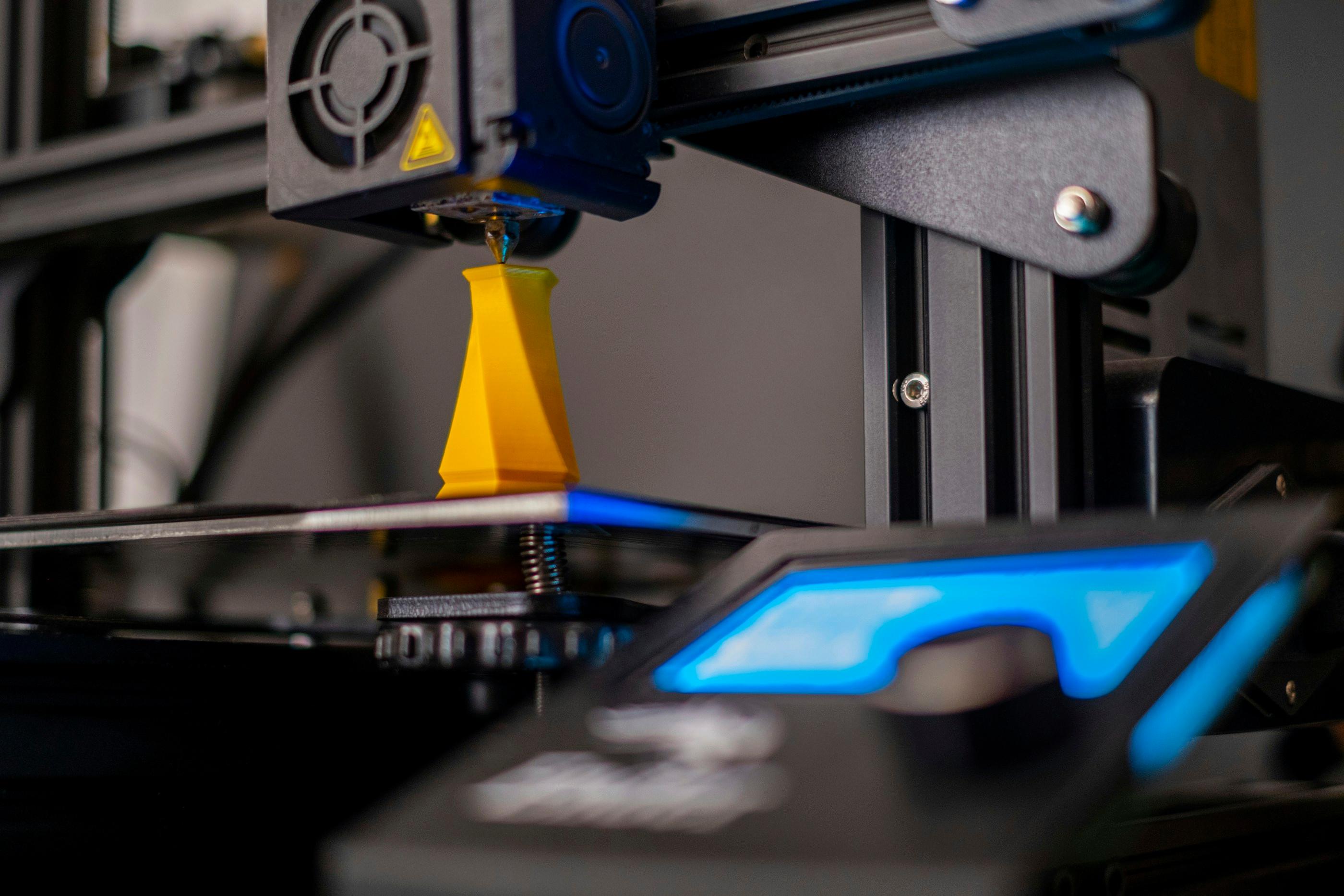
A 3D printer nozzle building a yellow part

3D Printing & Additive Manufacturing

Ultrasonic cleaning for additive manufacturing — uncured resin off SLA parts, residual powder out of SLS and metal AM lattices, and cured build-up off plates and nozzles.

Learn more
Request a Quote

Tell us what you need cleaned

Send us the part, the contaminant and your cycle time. Our engineers size the tank, the frequency and the process chain — and reply with a sized specification for your line.

LINEPhoneRequest a Quote