PCB & Electronics
Ultrasonic cleaning for connectors, terminals, stamped conductive parts, PCBs and FPCs, heat-dissipation parts and machined housings — flux, oil and fine particulate out of blind holes and slits.

LEO builds ultrasonic cleaning equipment for electronics manufacturing: connectors, terminals, stamped conductive parts, PCBs and FPCs, heat-dissipation parts, CNC-machined housings and assembled components. Cavitation removes flux residue, machining oil, grease, polishing compound and fine particulate consistently from blind holes, slits and deep structures.
Machines LEO has built for this sector
Each of these was designed around one customer’s part, soil and throughput. The captions are the machines as built.
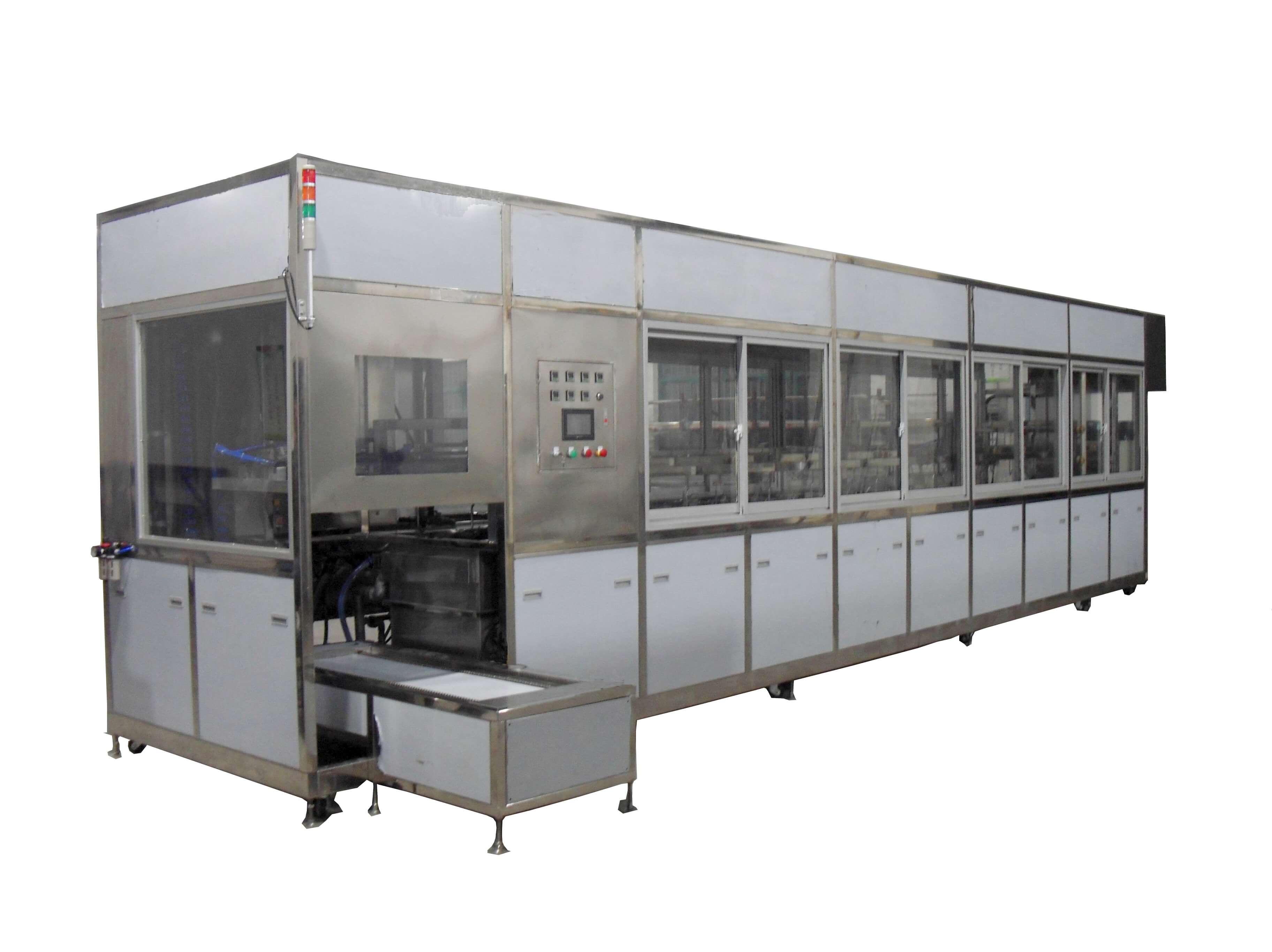
Fully automatic nine-tank electronic parts cleaning machine 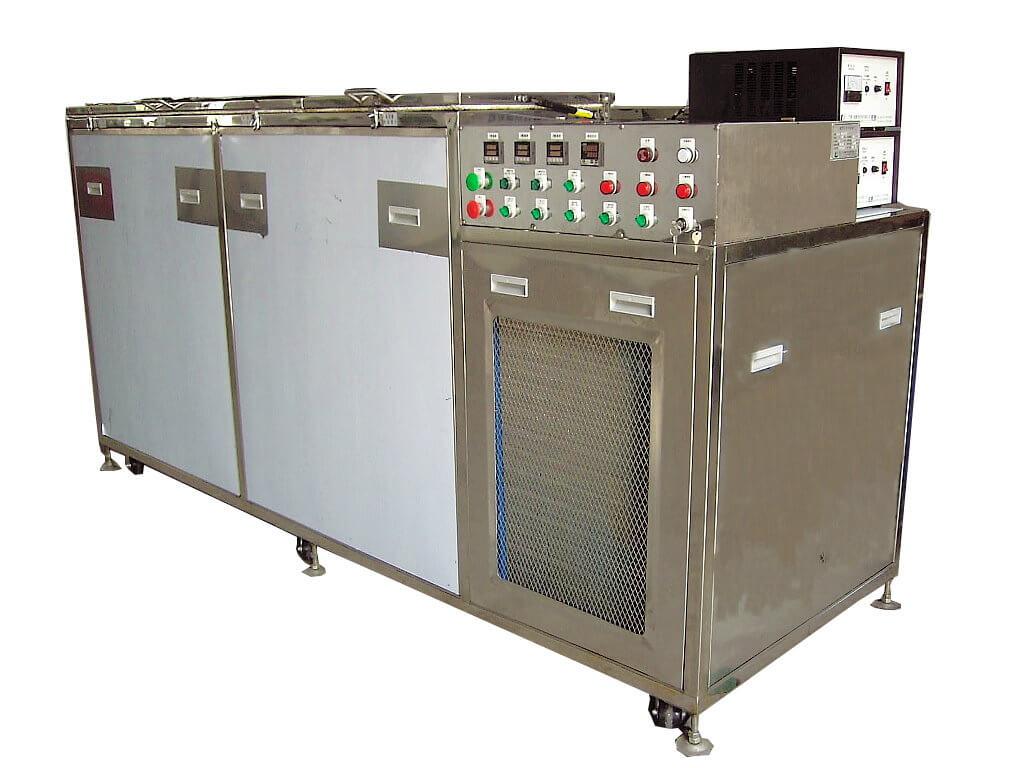
Manual four-tank PCB cleaning machine 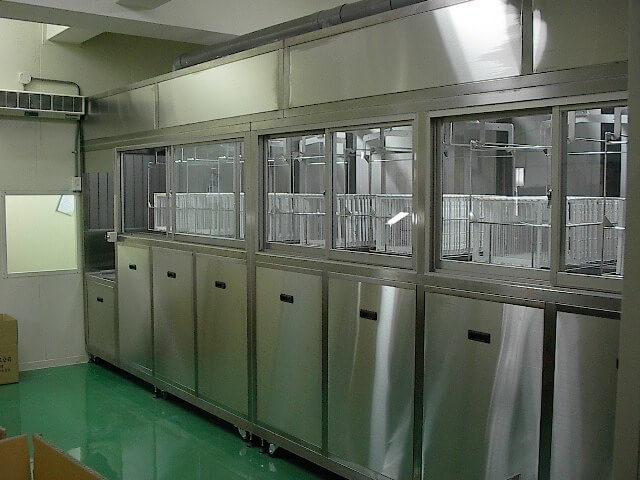
Fully automatic LCD frame cleaning machine 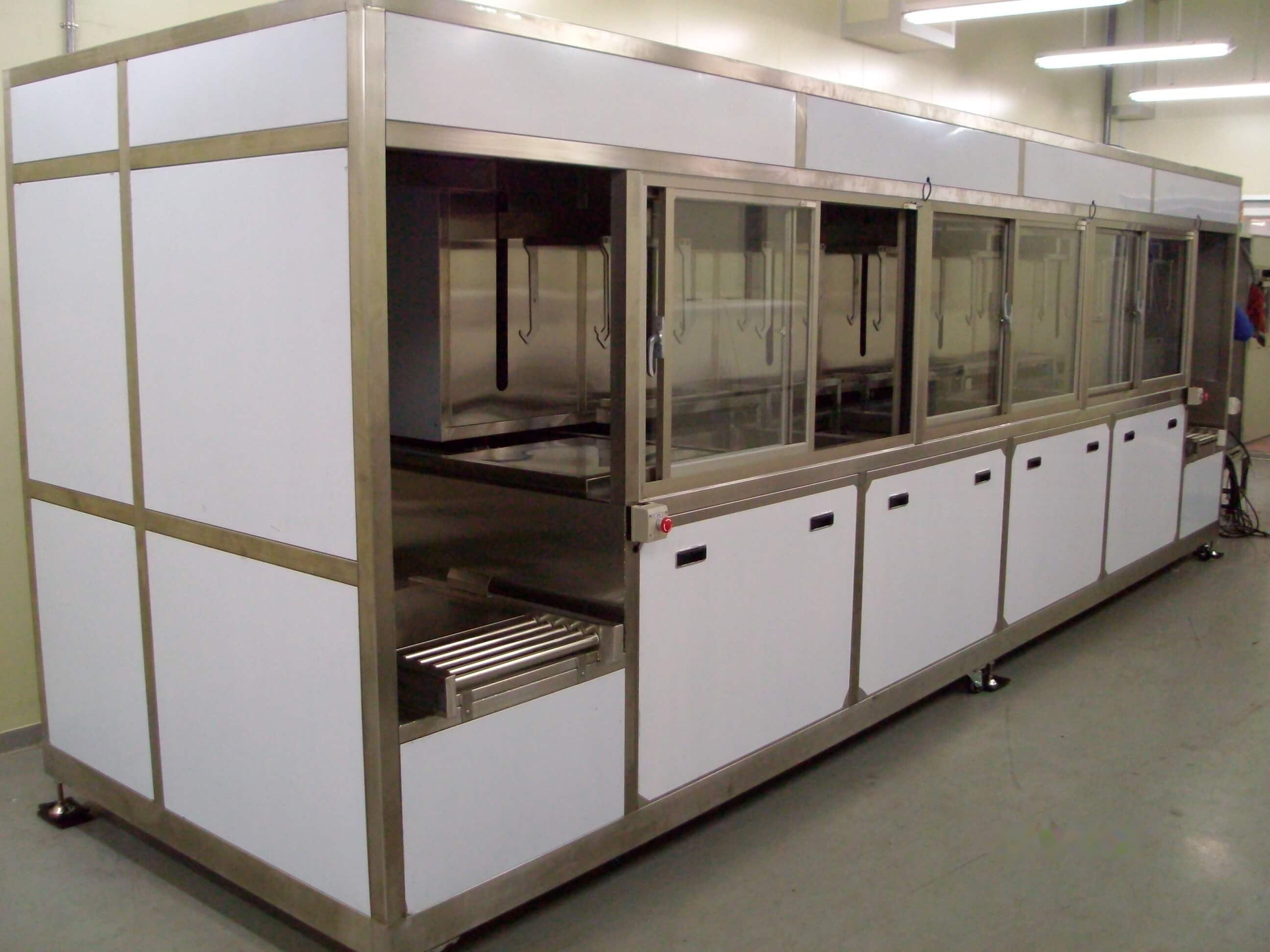
Cooling module cleaning machine 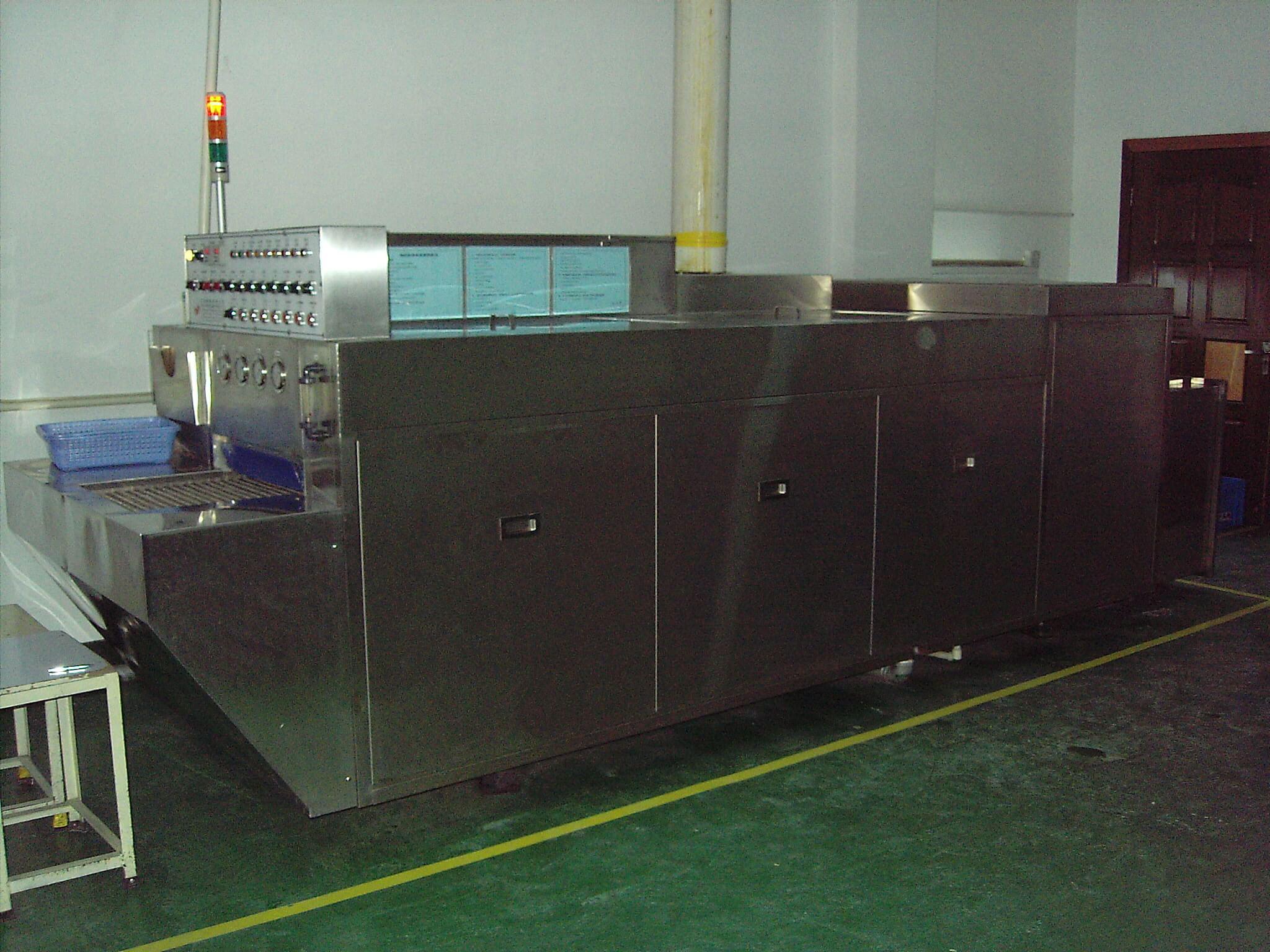
Silicone button spray washing machine 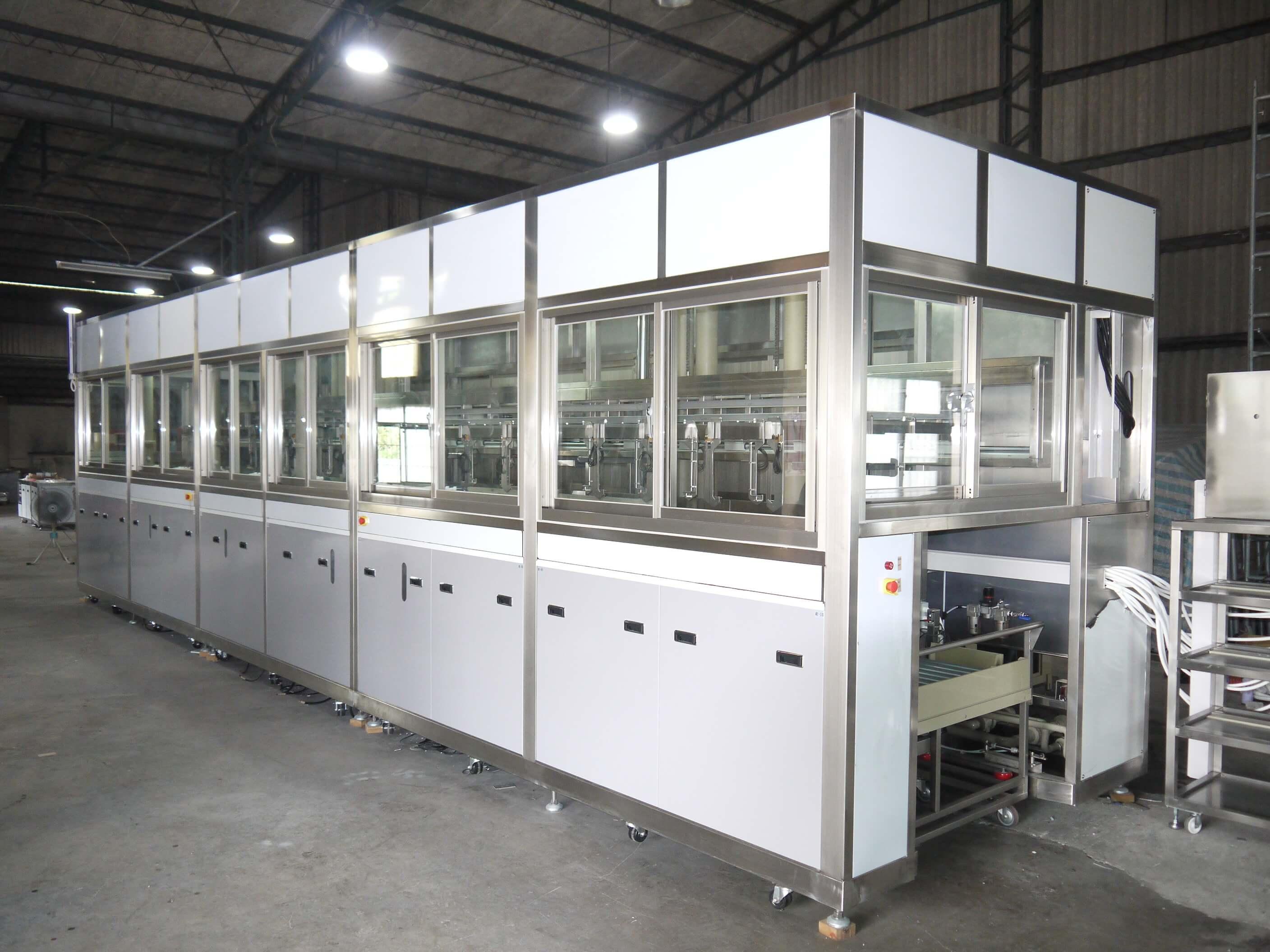
Circuit board conveyor roller cleaning machine 
Fully automatic five-tank mobile phone case cleaning machine 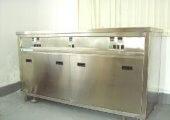
Manual three-tank PCB cleaning machine 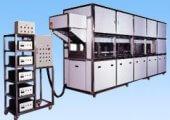
Fully automatic hanging-type LCD frame cleaning machine 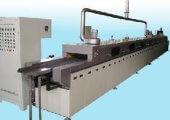
Fully automatic conveyor-type magnetic material cleaning machine 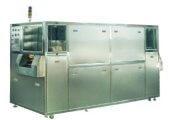
Fully automatic double-chain four-tank vapour-phase cleaning machine
Electronic Parts Cleaning Challenges: Oil, Flux Residue, Fine Particles, and Hard-to-Reach Areas
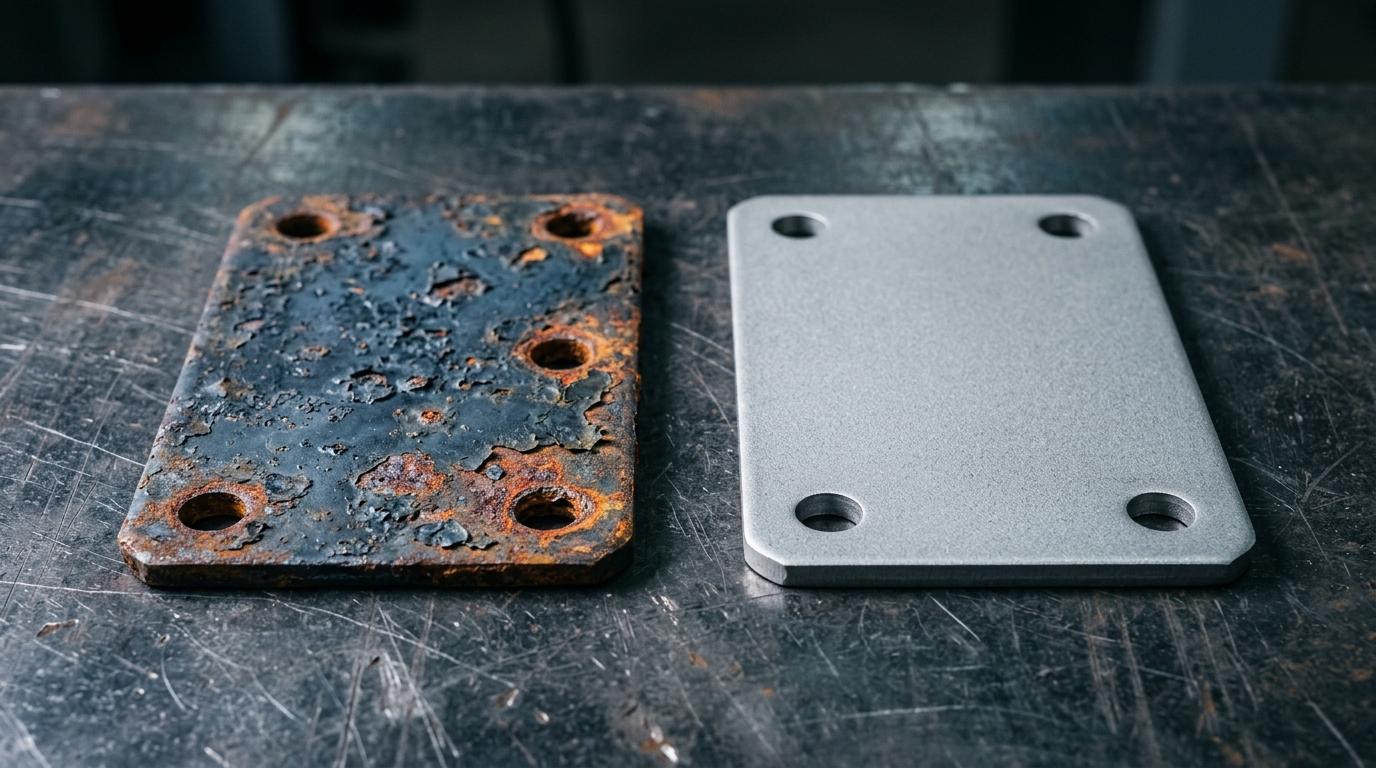
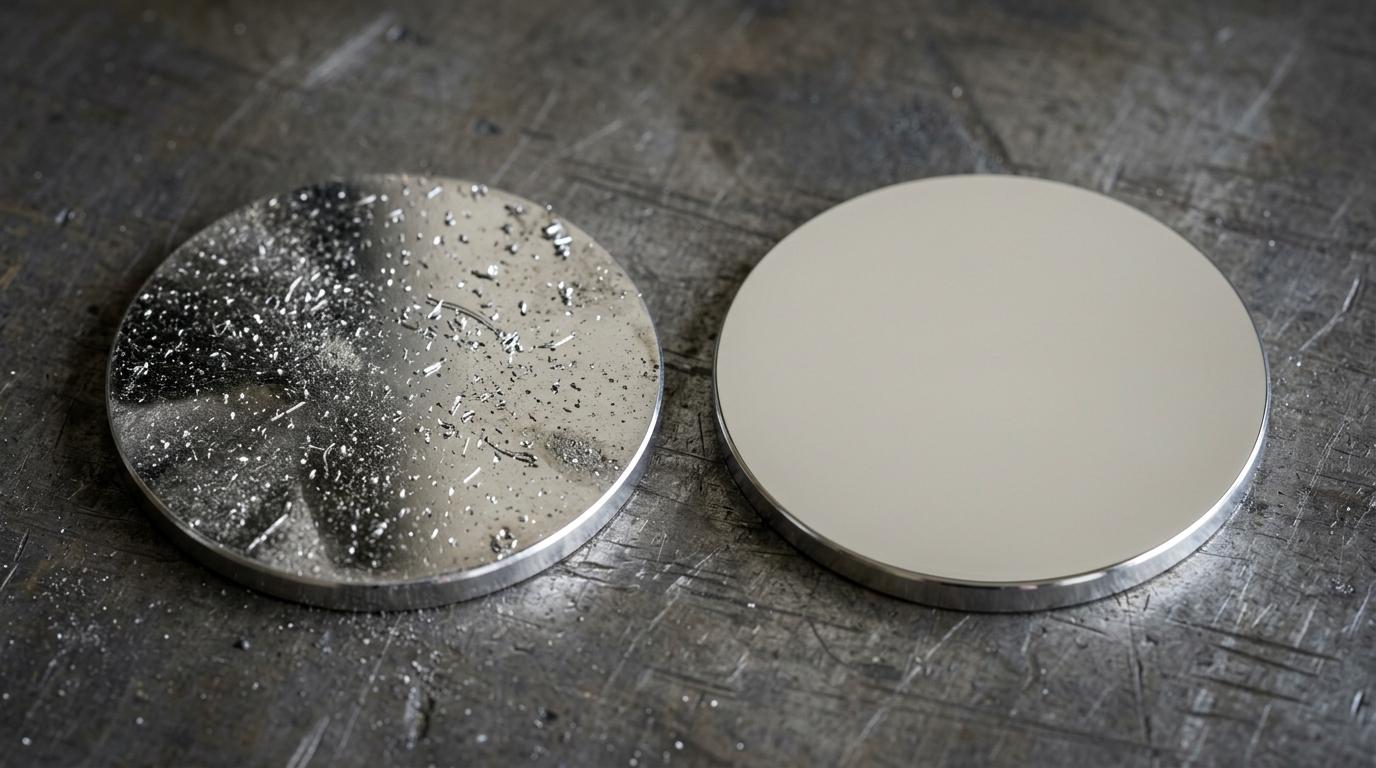
Electronic parts and precision electronic components often require a high level of cleanliness after machining, stamping, assembly, coating, or maintenance. Common contaminants include flux residue, machining oil, grease, polishing compounds, dust, and microscopic particles. These residues may remain on the surface, inside blind holes, between narrow gaps, or around complex geometries, where manual cleaning is often inconsistent.
If contaminants are not removed effectively, they may affect conductivity, product appearance, downstream assembly, coating performance, packaging quality, or long-term reliability. For manufacturers of electronic parts, cleaning is not only a finishing step — it is an important part of quality control and process stability.
Why cleaning consistency matters in precision electronics manufacturing
In precision electronics manufacturing, inconsistent cleaning can lead to variation between batches, higher defect risk, and additional manual rework. As parts become smaller and more complex, manufacturers need a cleaning method that can deliver repeatable results without damaging delicate surfaces. This is why many factories evaluate ultrasonic cleaning when they need both precision and productivity.
Suitable Electronic Parts, Common Contaminants, and Typical Production Scenarios
Ultrasonic cleaning solutions for electronic parts can be used across a wide range of precision manufacturing applications. The actual cleaning process depends on the part design, contamination condition, and required cleanliness standard.
Connectors
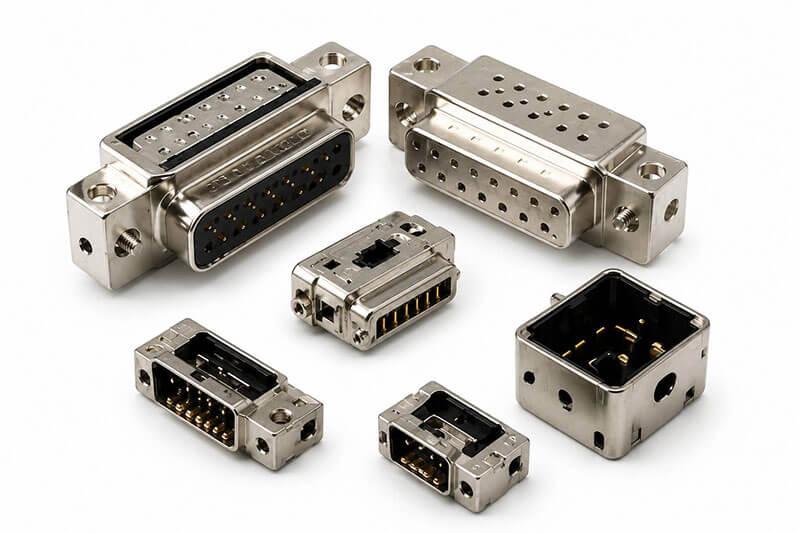
Connectors 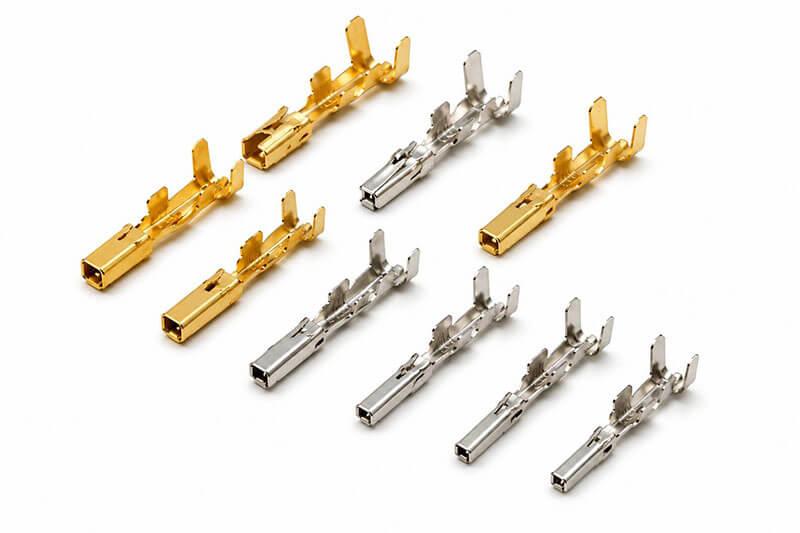
Terminals 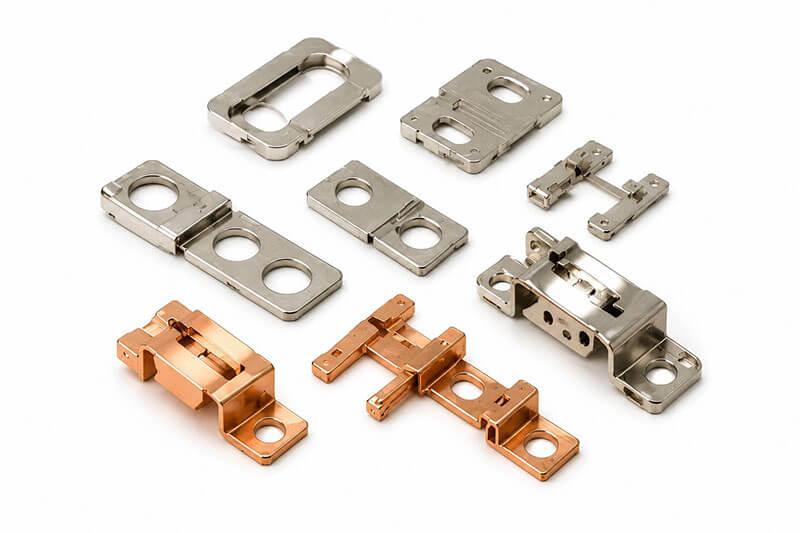
Stamped conductive parts 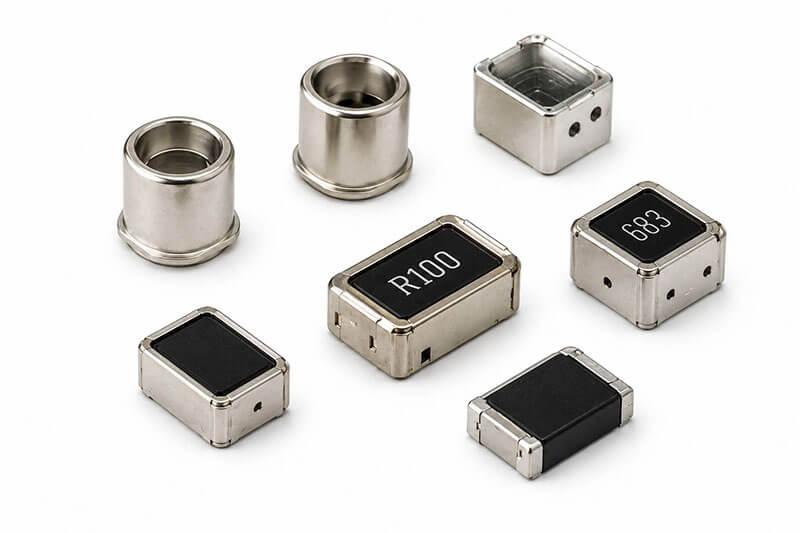
Precision electronic components 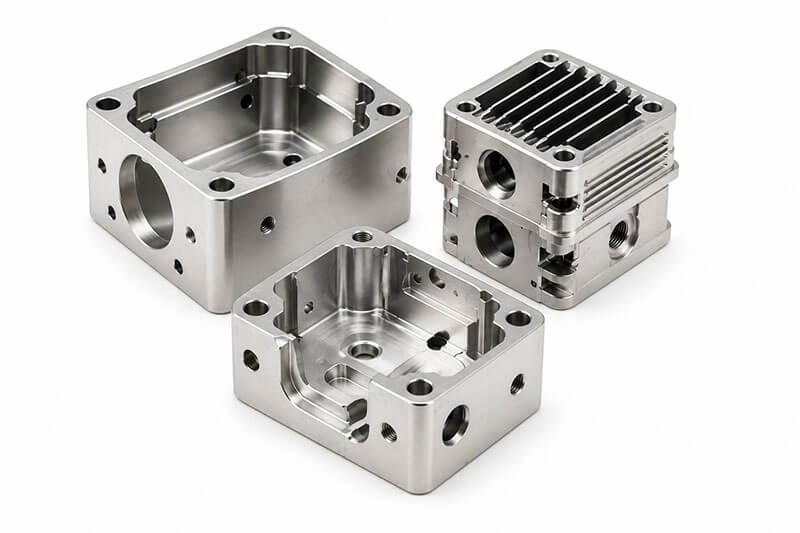
CNC-machined electronic housings 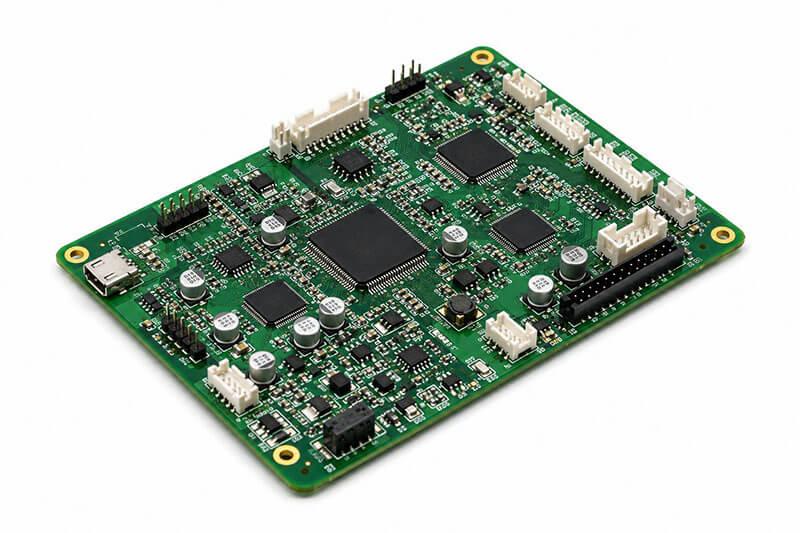
PCBs and FPCs 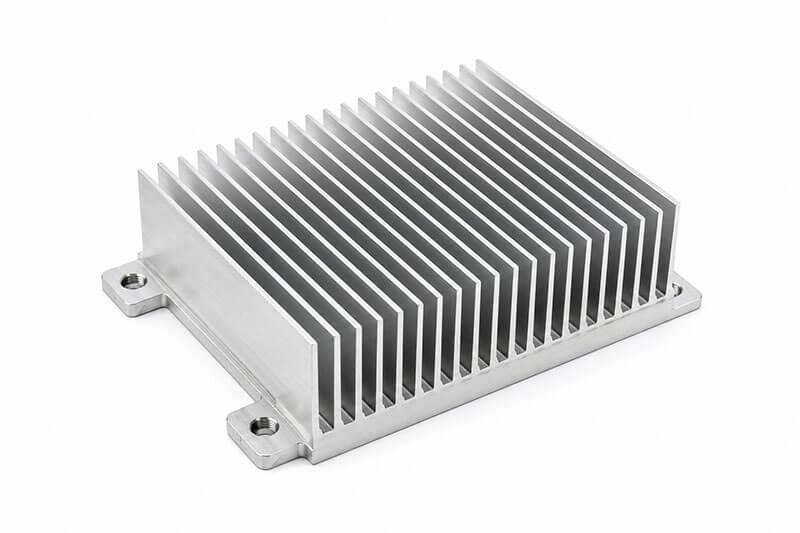
Heat-dissipation parts 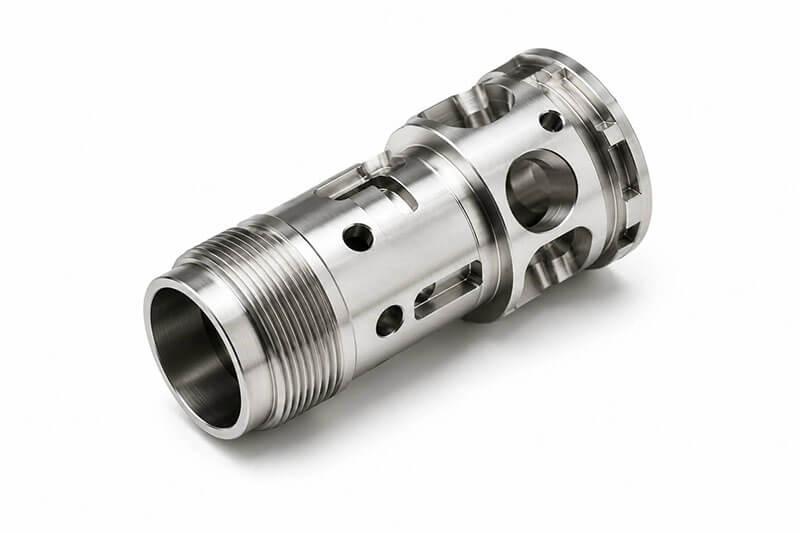
Micro parts — through holes, slits, deep holes 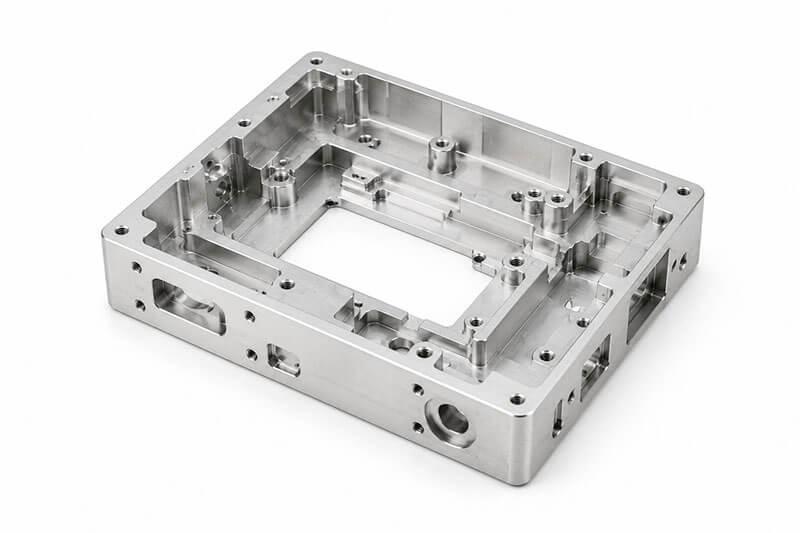
Assembled electronic components 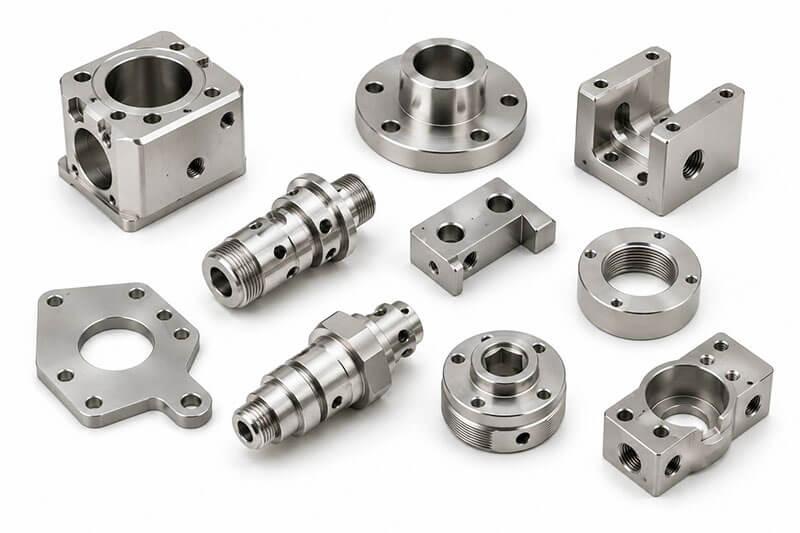
Other precision metal parts
What each of these carries, and the frequency that removes it, is set out in the workpiece table below.
Why Ultrasonic Cleaning Is Suitable for Electronic Parts and Precision Components
Ultrasonic cleaning is widely used for electronic parts because it can remove contaminants from complex shapes, narrow spaces, grooves, and recessed surfaces more effectively than many conventional cleaning methods. High-frequency sound waves create cavitation in the cleaning liquid, helping loosen and remove residue from areas that are difficult to clean by hand.
For many electronic components, ultrasonic cleaning offers a practical balance between cleaning performance, efficiency, and surface protection. When the system is properly configured, it can provide deep and uniform cleaning for precision parts while reducing the limitations of manual cleaning.
Key advantages of ultrasonic cleaning for electronic parts
- Deep cleaning for narrow gaps, corners, and intricate geometries
- Better consistency for batch cleaning and repeat production
- Reduced manual labor and lower dependence on operator technique
- Improved removal of oil, flux residue, dust, and fine particles
- Suitable for precision parts when frequency, power, and process conditions are correctly selected
Why manufacturers choose ultrasonic cleaning
Manual cleaning may be acceptable for simple parts, but it often becomes less effective when the part geometry is complex or the contamination is difficult to remove. Ultrasonic cleaning helps manufacturers improve cleaning uniformity, reduce handling variation, and support higher production efficiency for electronic parts and precision components.
Custom Ultrasonic Cleaning Solutions for Electronic Parts from LEO Ultrasonic
LEO Ultrasonic provides customized ultrasonic cleaning solutions for electronic parts based on part geometry, material, contamination type, cleanliness target, and production capacity. Instead of offering only one standard configuration, LEO can help customers evaluate the application and recommend a suitable cleaning system for real production conditions.
Depending on the process requirement, LEO can provide standalone machines or customized systems that include multiple cleaning stages and supporting functions. This allows manufacturers to select a solution that matches both current needs and future expansion plans.
Below are LEO Ultrasonic’s cooperative application cases for electronic parts cleaning. The actual equipment configuration and cleaning workflow can be customized according to part characteristics, contamination type, and production capacity requirements.
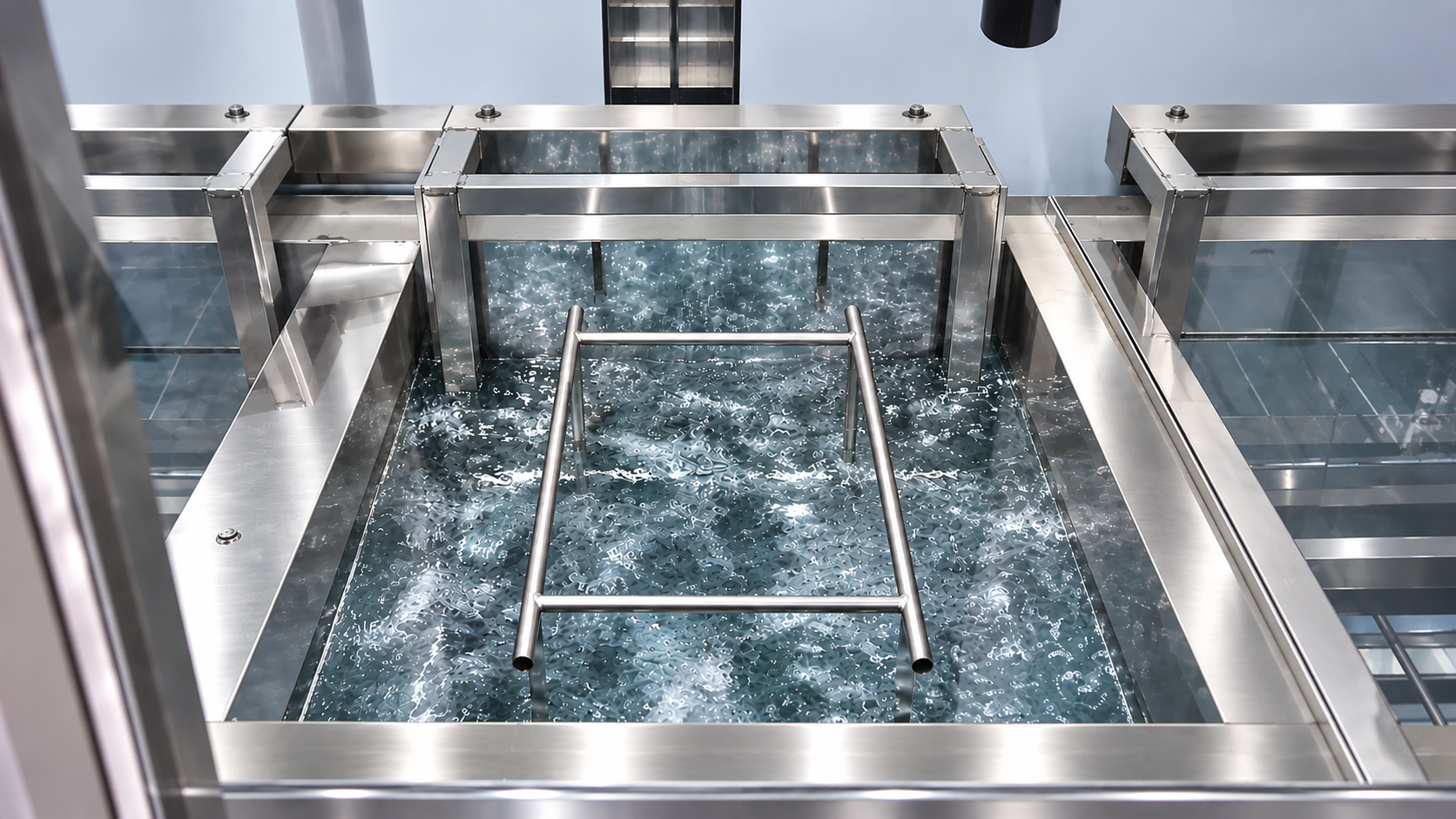
9-Tank Fully Automatic Ultrasonic Cleaning Line
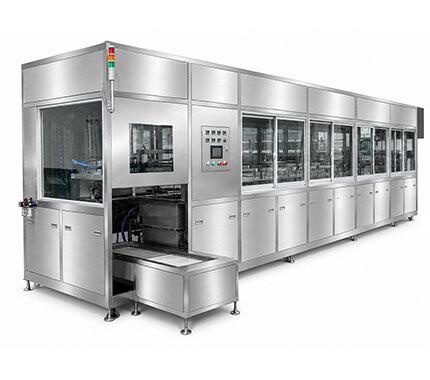
9-tank fully automatic ultrasonic cleaning line 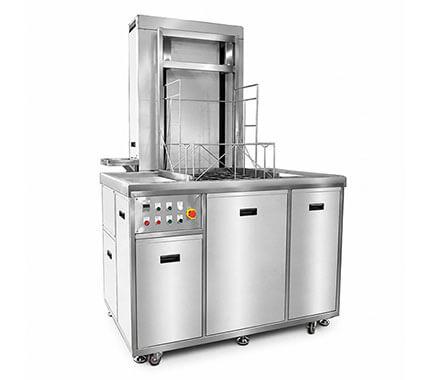
Automatic lifting ultrasonic cleaning machine 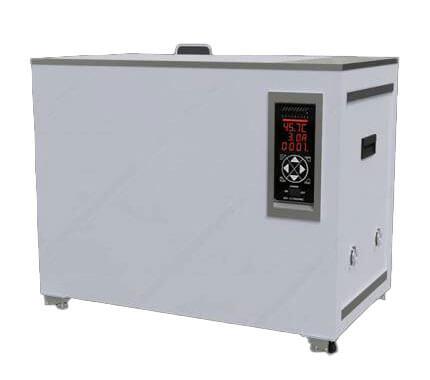
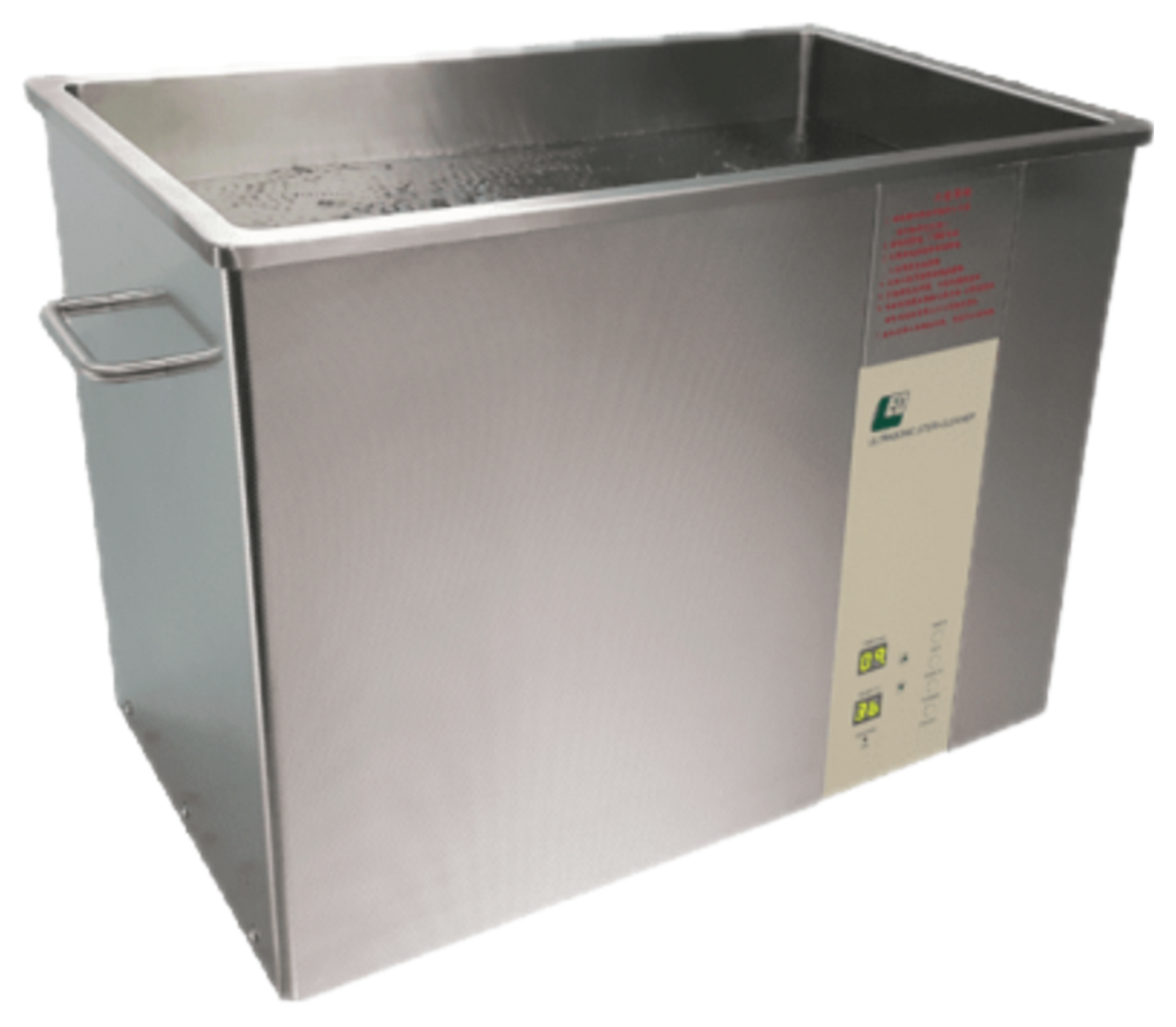
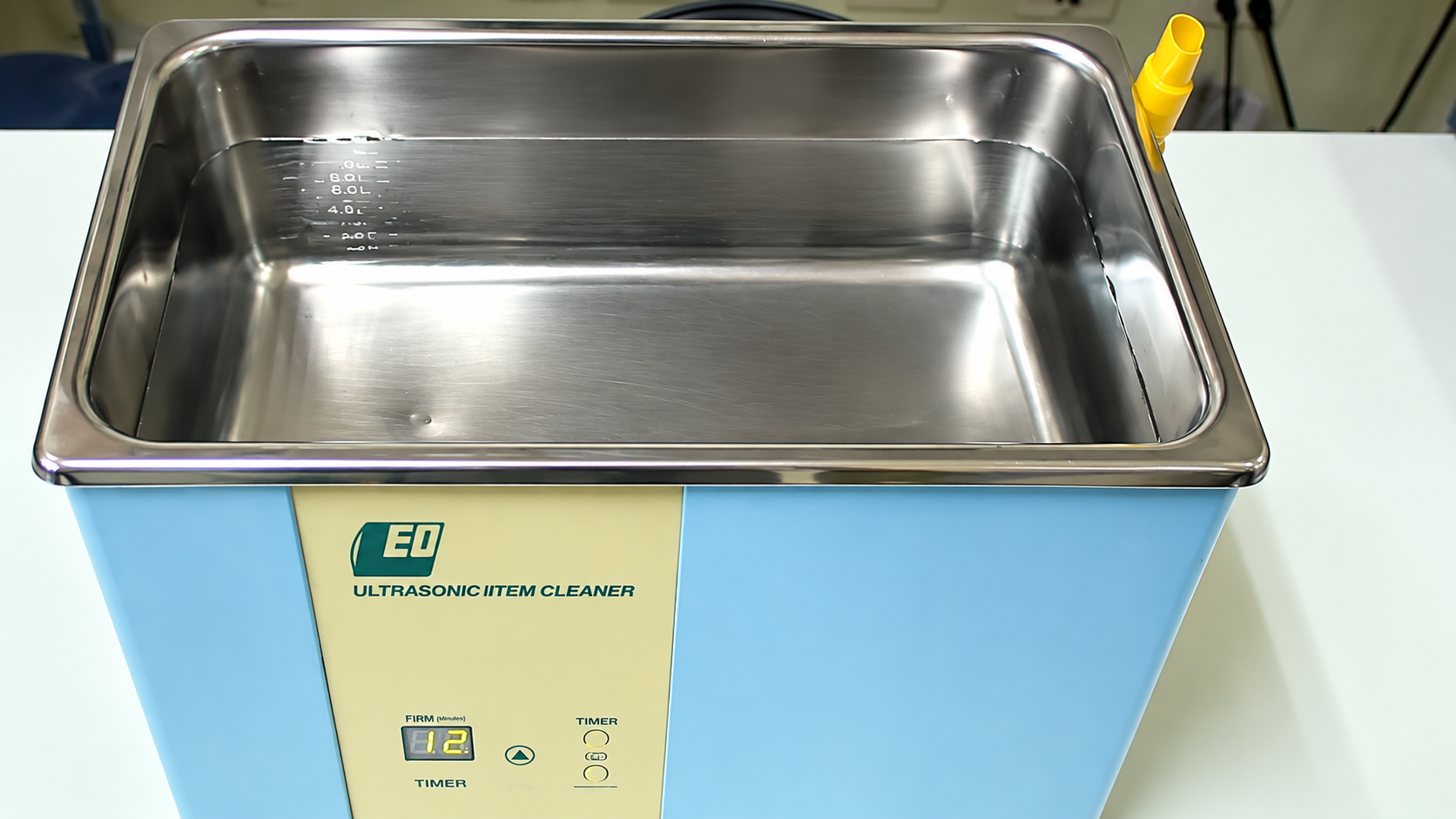
Intelligent integrated single-tank ultrasonic cleaning machine 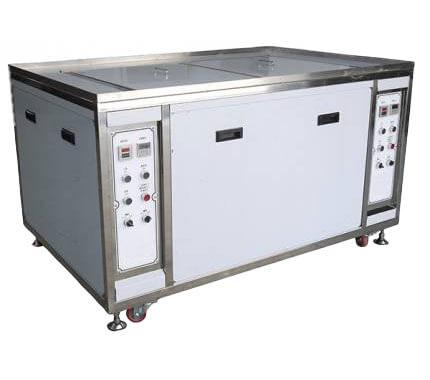
Double-tank ultrasonic washing machine
LEO ultrasonic cleaning system options may include
- Single-tank ultrasonic cleaning machines
- Double Multi-tank ultrasonic cleaning systems
- Heating function for improved cleaning performance
- Rinsing and drying sections for complete cleaning workflows
- Custom baskets and fixtures for delicate or small parts
- Frequency and power adjustment based on part characteristics
- Semi-automatic or automated system integration
- OEM / ODM and application-based system customization
Why customization matters for precision electronic parts
Different electronic parts require different cleaning conditions. A connector, stamped conductive part, machined housing, or assembly component may each require a different tank size, cleaning frequency, process time, fixture design, or drying method. Customization helps ensure the cleaning system is aligned with the actual product and production process rather than relying on a one-size-fits-all approach.
Request a Custom Ultrasonic Cleaning Solution for Electronic Parts
If you are looking for an ultrasonic cleaning machine for electronic parts, connectors, stamped components, or other precision electronic applications, LEO Ultrasonic can help evaluate your cleaning requirements and recommend a suitable solution.
To help speed up evaluation, you can provide the following information:
- Part material
- Part dimensions
- Type of contamination
- Required cleanliness level
- Production capacity or batch size
- Whether rinsing, drying, or automation is required
Contact LEO Ultrasonic to discuss your electronic parts cleaning process and get a customized ultrasonic cleaning solution for your application.
Tell us the part, the contamination and the cleanliness target, and LEO will specify the tank count, the frequency and the fixtures around it.
Workpieces & contamination
Contaminants
- ConnectorsMachining oilOxidesMachining residues40 / 80 kHz
- TerminalsStamping oilPowder residue40 kHz
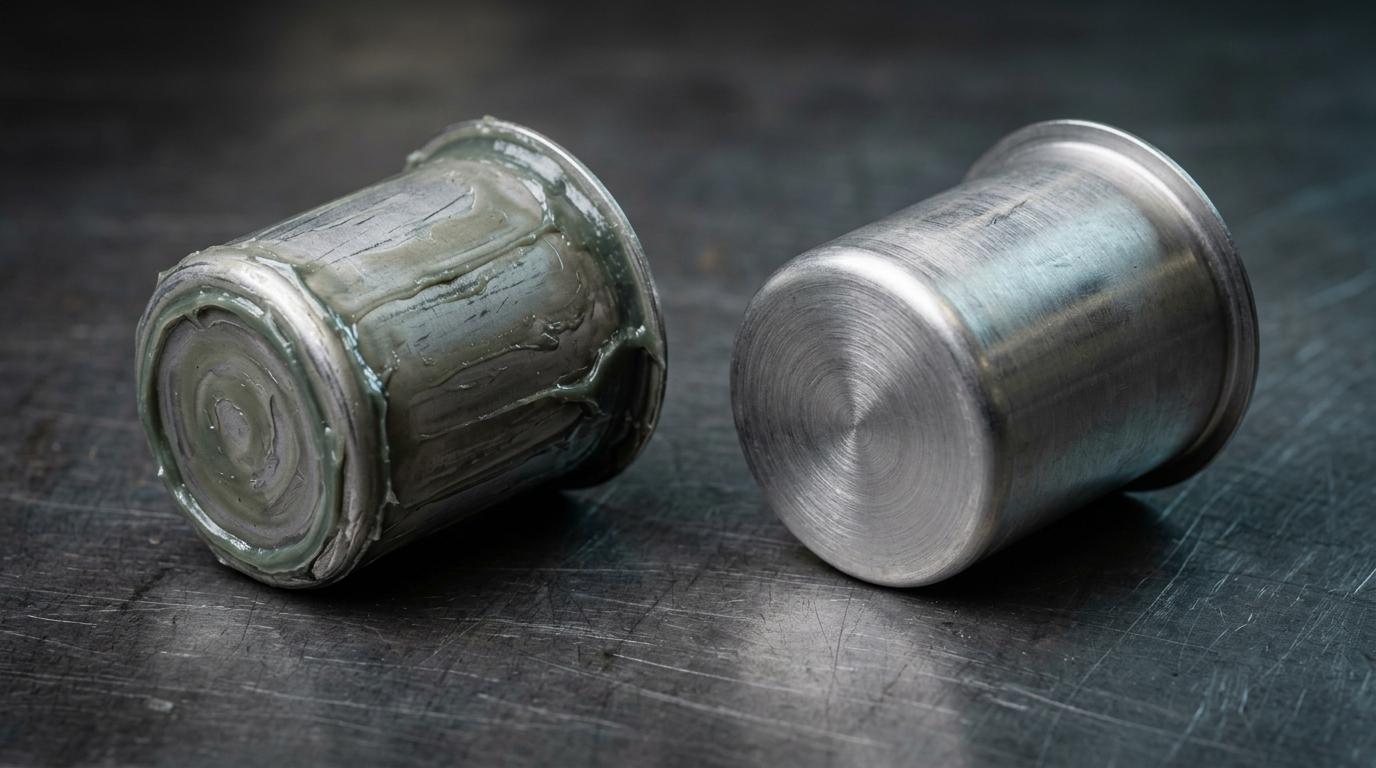
- Stamped conductive partsForming oilMetal particlesFlux residue28 / 40 kHz
- Precision electronic componentsMicroscopic residuesFluxMachining residues80 / 120 kHz
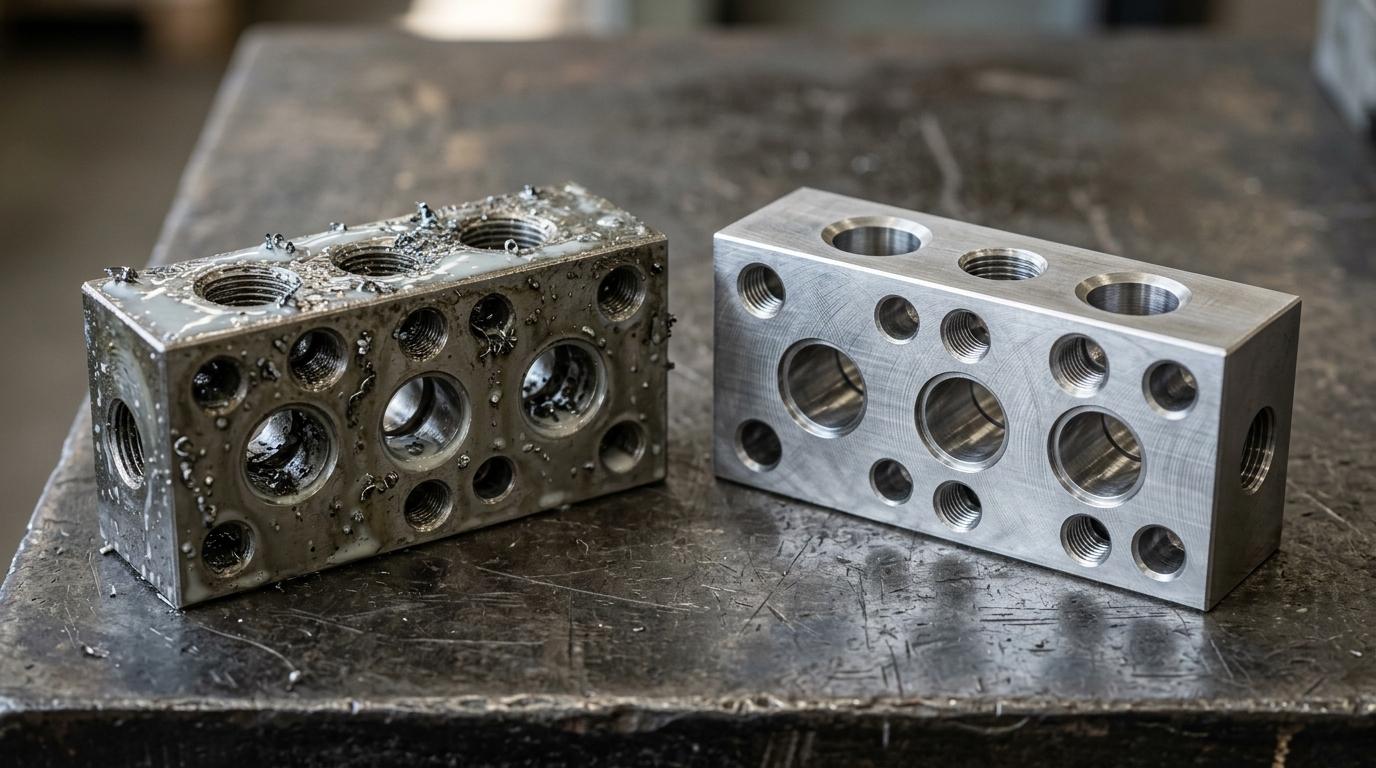
- CNC-machined electronic housingsCutting oilMetal powderMachining residues40 kHz
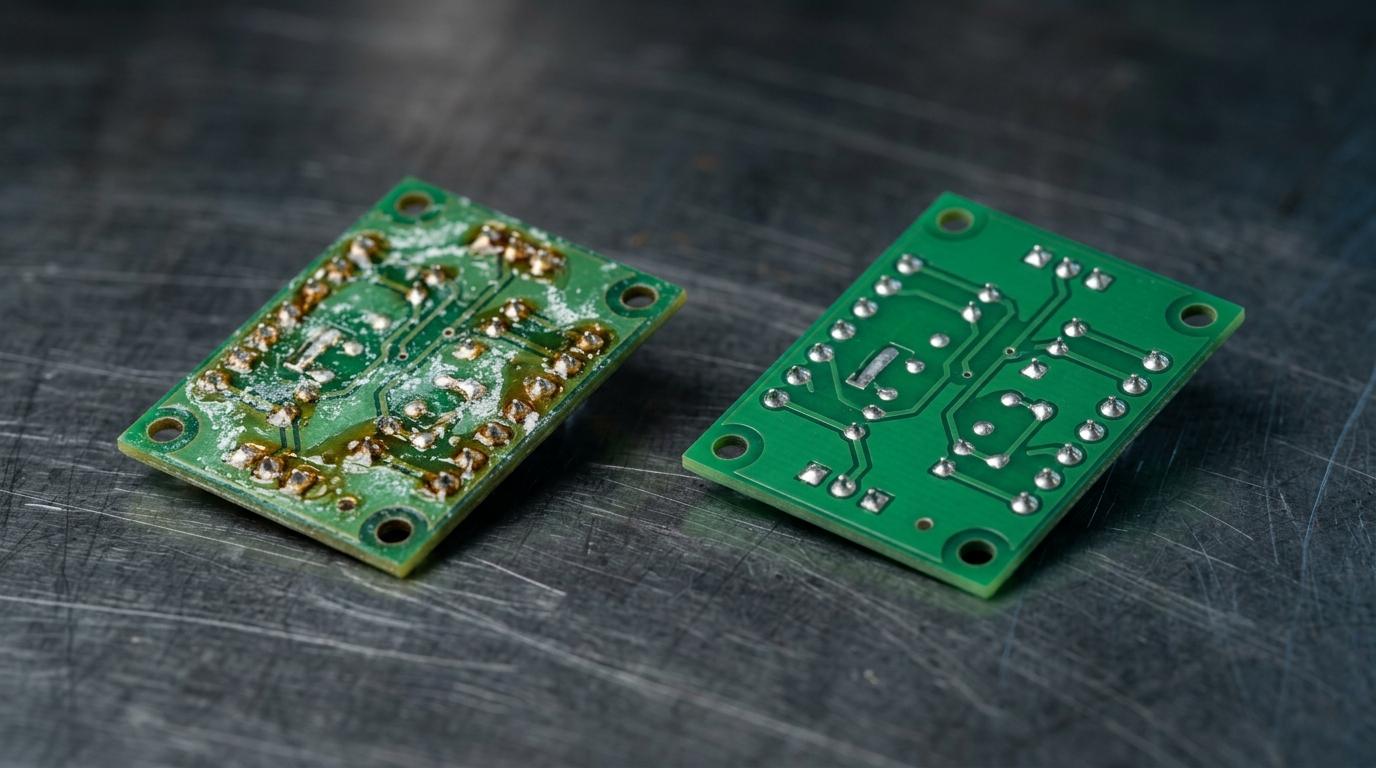
- PCBs and FPCsFlux residueSolder particlesDust and fine particulate40 kHz
- Heat-dissipation partsMachining oilMachining residuesThermal compound40 kHz
- Micro parts — through holes, slits, deep holesTrapped machining oilFine particulatePolishing compound80 / 120 kHz
- Assembled electronic componentsAssembly fluxOilsHandling residue40 / 80 kHz
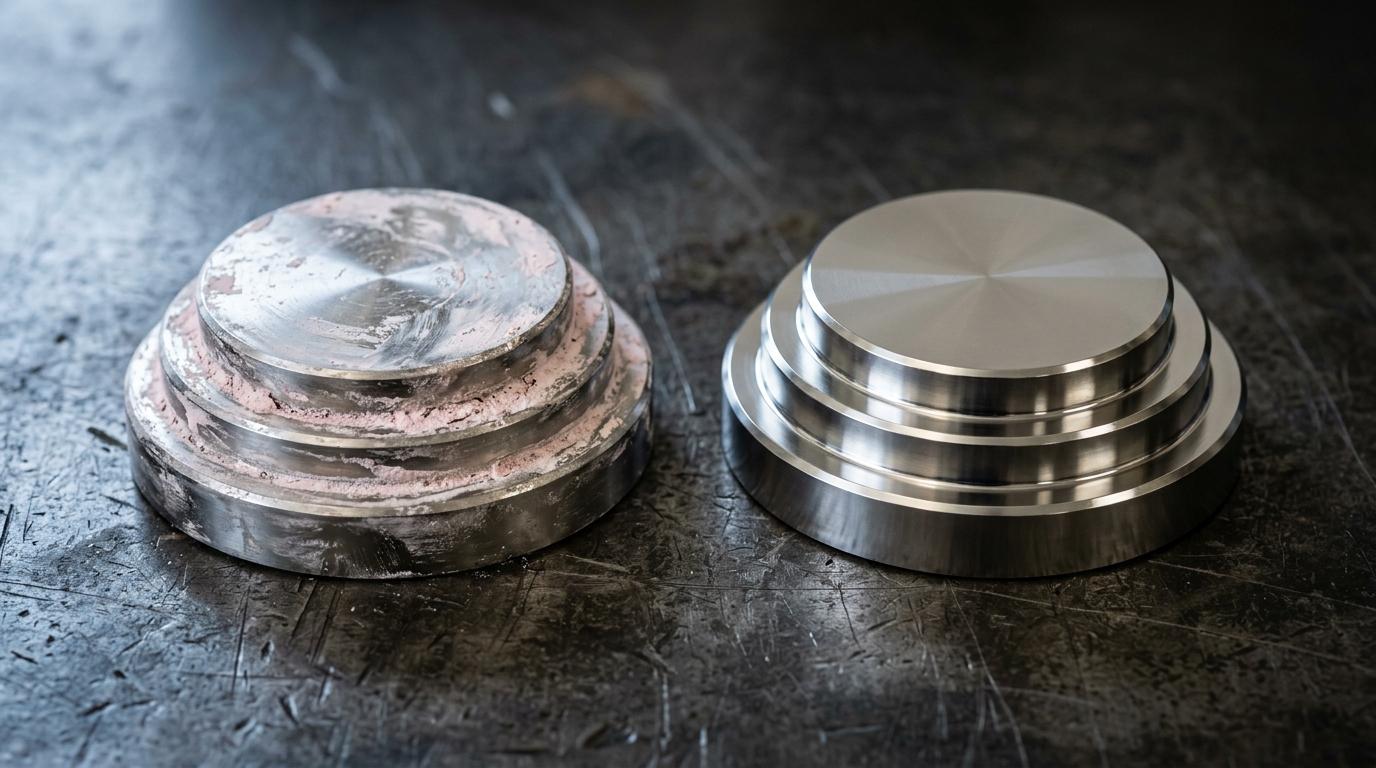
- Other precision metal partsMachining oilMetal chipsPolishing compound40 kHz
Products
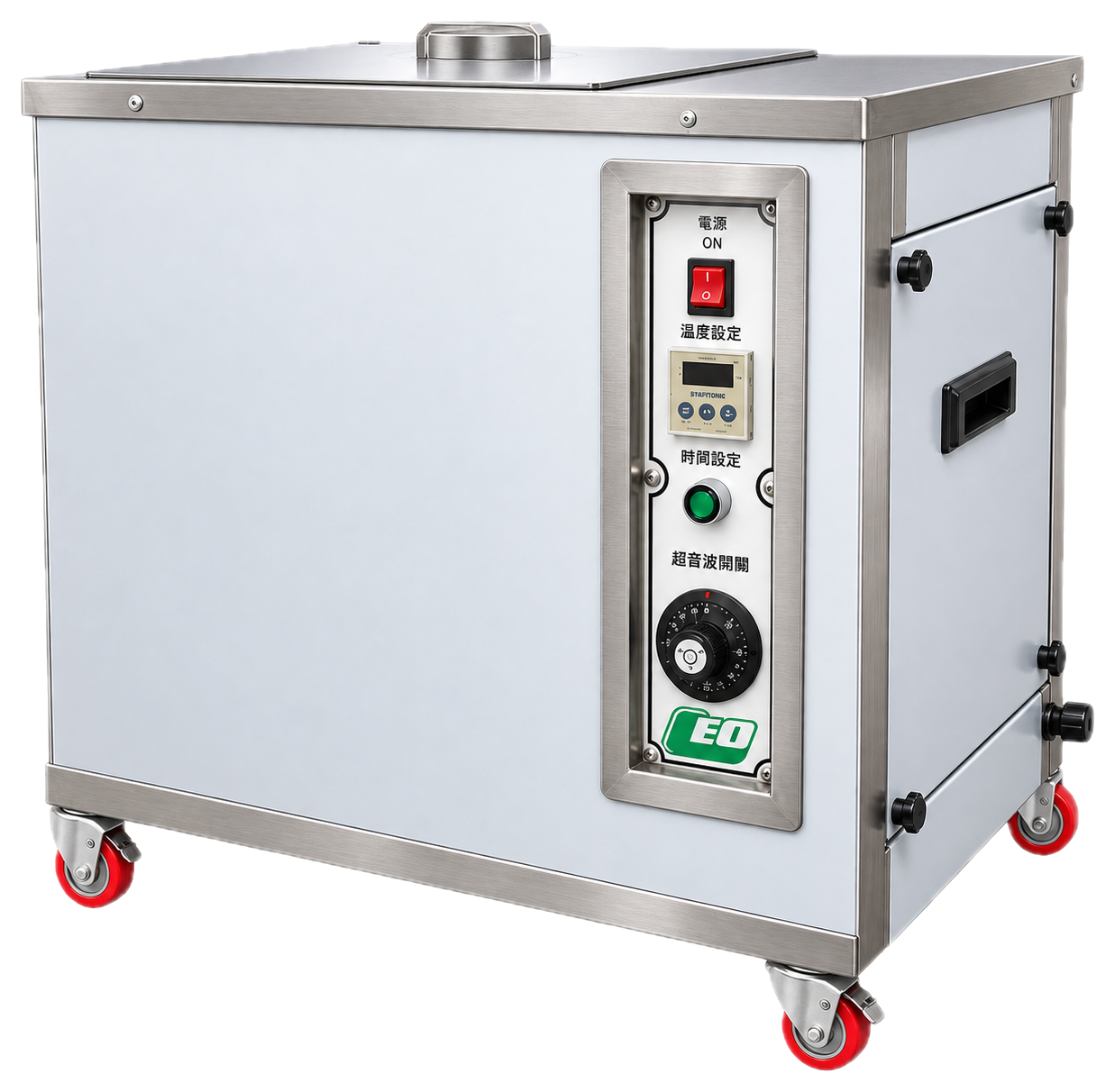
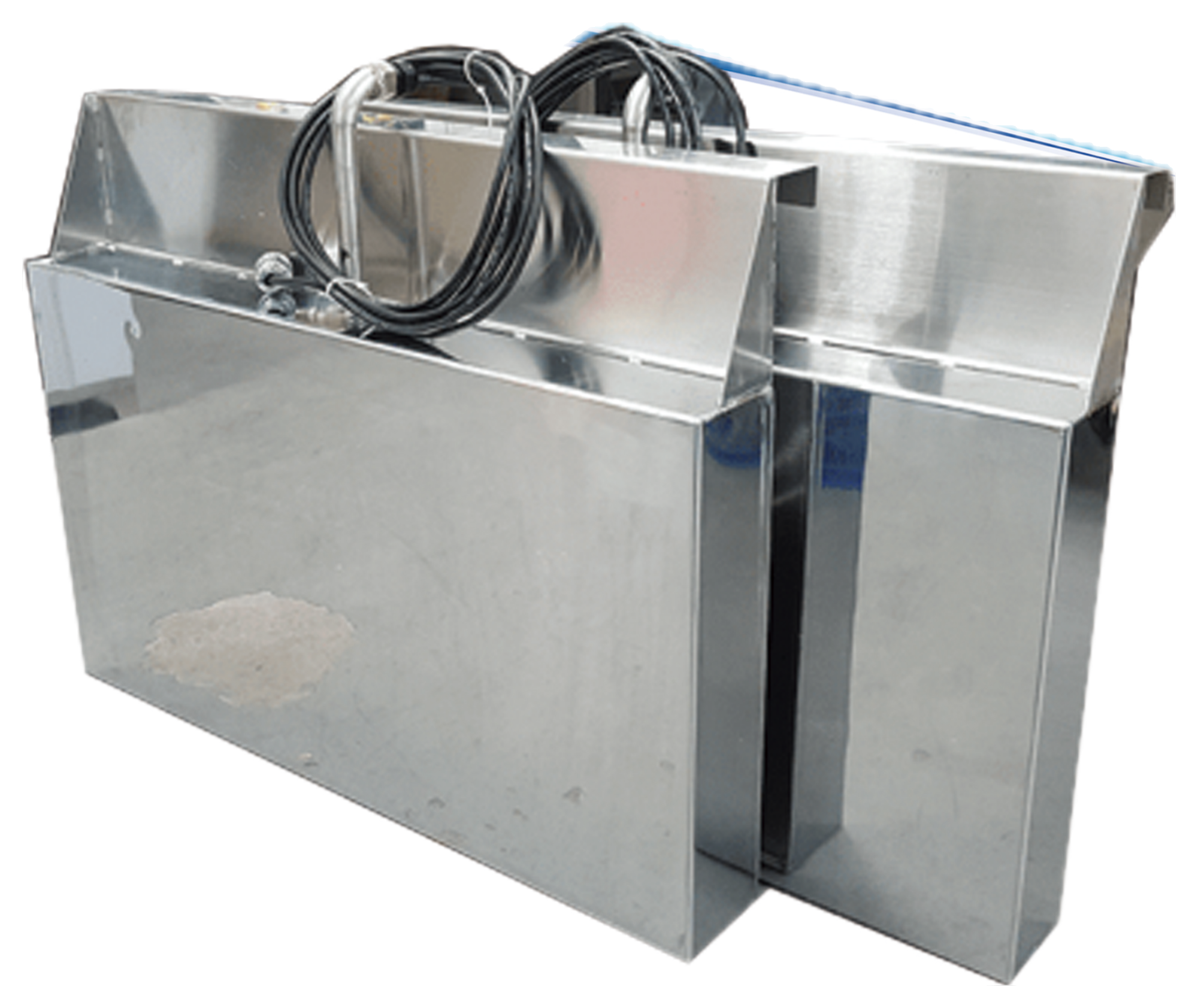
Recommended equipment
Case Studies
Proof in the field
Frequently asked questions
Yes, for many electronic parts, when the system is designed for them. Frequency, power, temperature, cleaning liquid and fixture design all have to be selected according to the material, geometry and sensitivity of the part — a configuration that suits a stamped terminal is not the one that suits an assembled module.
Flux residue, machining and forming oil, grease, dust, polishing compounds, metal chips and fine particulate. Those are the soils that show up as contact resistance, plating adhesion failures, poor solderability, electrical leakage and cosmetic rejects further down the line.
Yes — that is its main advantage. Because the cleaning action is carried by the liquid rather than applied by hand, blind holes, grooves, recessed areas, slits and complex geometries are cleaned at the same time as the outside surface, and to the same standard.
Not necessarily, and not when the process is configured for the part. Risk comes from too low a frequency, excessive power, over-long cycles or components loaded on their leads. Delicate and assembled parts are evaluated before the machine is specified rather than after.
Part material and dimensions, the type of contamination, the cleanliness requirement, production volume, and whether heating, drying or automation is needed. Samples or drawings improve the evaluation considerably — most specification errors come from guessing at the part rather than at the soil.
Yes. Tank size, system configuration, frequency, power, basket and fixture design, heating, drying and workflow integration are all specified per application. That is the normal way LEO works: the standard catalogue is a starting point, not the product.
It depends on the cleanliness requirement. A single tank covers basic cleaning. Higher standards or more complex workflows need rinsing, drying, multi-stage cleaning and filtration circulation — which is why LEO’s lines for this sector run to nine tanks.
Yes. Depending on the process, the equipment can be a standalone unit, a semi-automatic workstation, a fully automatic machine, or a stage integrated into an automated line with PLC-controlled loading, lifting and traverse.
Request a Quote
Tell us what you need cleaned
Send us the part, the contaminant and your cycle time. Our engineers size the tank, the frequency and the process chain — and reply with a sized specification for your line.