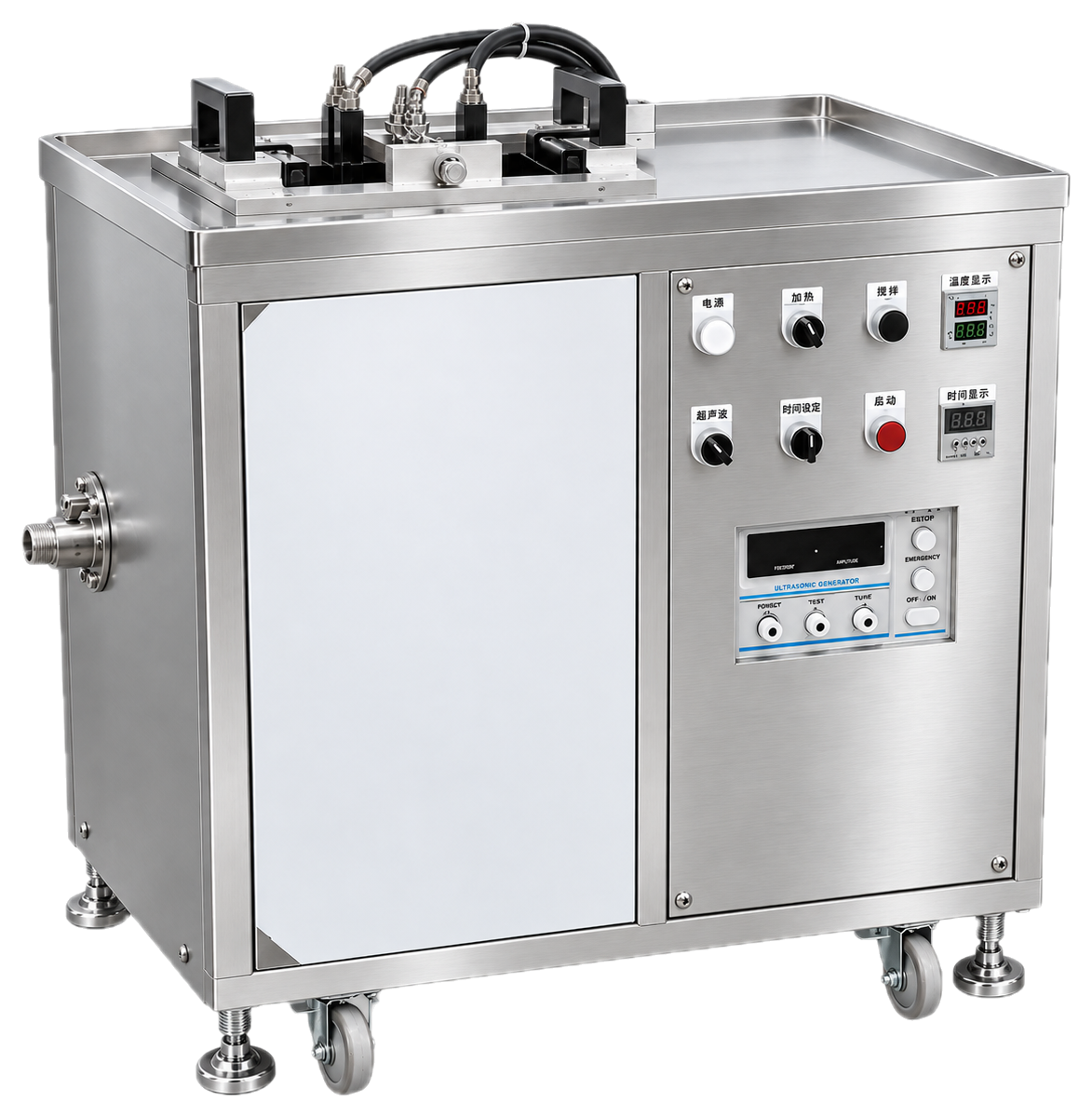
Oxide, rust and scale
Mill scale, heat tint, flash rust, corrosion products and mineral or salt scale — the layers the metal and the process water form on the part themselves.
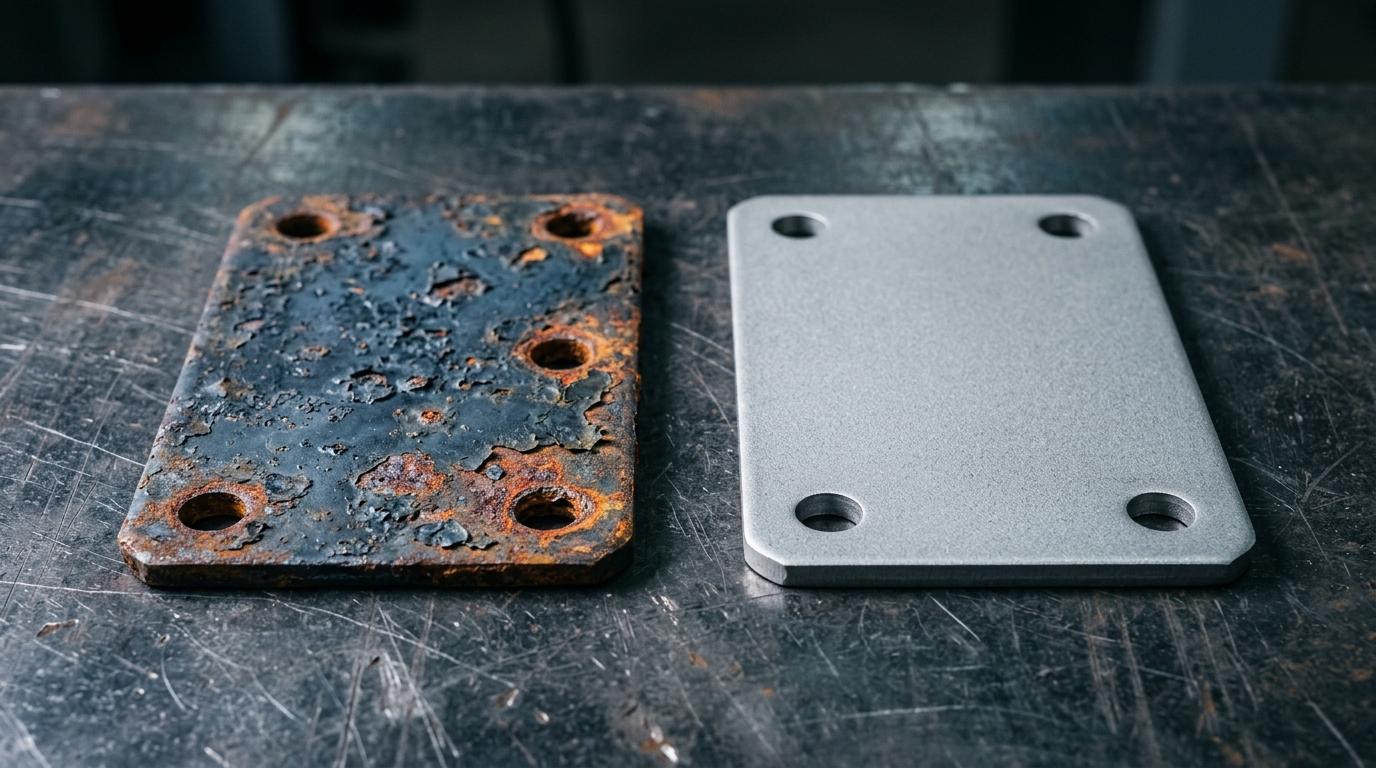
Oxide is the metal’s own surface reacting with air and water — mill scale, heat tint, flash rust and hard water scale. It is chemically bonded to the part, not lying on it, so removal is chemical. Ultrasonic cleaning at 28 to 40 kHz keeps fresh acid at the surface and clears the loosened film.
- Recommended frequency
- 28 / 40 kHz
Every soil on the other application pages arrived from somewhere else. Oxide did not: it is the part, converted. Iron and steel form hydrated iron oxides in the presence of water and oxygen; hot rolling and heat treatment form a dense mill scale or a heat tint of magnetite and wüstite; stainless steel forms a chromium-rich passive film, which is desirable, and a heat tint next to a weld, which is not; aluminium forms its own oxide within seconds of exposure; copper and brass form the oxides that stop solder from wetting. Mineral and salt scale are the mirror image — deposited from the process water rather than grown from the metal — but they behave the same way in a cleaning process, so they are handled here together.
It resists removal because there is no interface to attack. Oil sits on metal and can be lifted off it; oxide is continuous with the metal, so the only way to remove it is to convert it into something soluble. That makes this the one application on the site where the chemistry does the removing and the ultrasonics do the enabling. It is also self-renewing: a freshly de-scaled steel surface is the most reactive surface in the plant and will flash-rust in minutes if it is left wet in air, which is why an oxide job that stops at the rinse has not finished.
What it costs if it is left depends on what comes next. Mill scale under paint or plating delaminates and takes the coating with it. Heat tint beside a weld on stainless steel is chromium-depleted metal, and it is where the pitting corrosion starts in service — which is why it is a rejectable finding on food, pharmaceutical and marine fabrication. Oxide on copper, brass and lead-frames stops solder wetting, so it becomes a flux problem and then a joint reliability problem. Scale in a heat exchanger or a dye vessel is an insulator and a flow restriction at once. Rust in a mould cavity or on a gauge surface is a dimensional change.
Ultrasonic cleaning contributes three things a static chemical bath cannot. It keeps fresh, unreacted chemistry against the surface: de-scaling reactions stall in their own products, and cavitation-driven microstreaming replaces the depleted boundary layer continuously, which is often the difference between a thirty-minute cycle and a three-hour one. It removes the loosened film mechanically, so a partly converted scale is lifted rather than left as a smut that then has to be de-smutted. And it works inside geometry — a tube bundle, a heat exchanger core, an internal thread, a blind bore — where nothing else can guarantee that the chemistry at the far end is the same strength as the chemistry at the opening. Because the parts in this duty are usually robust steel or cast iron, 28 kHz is the normal setting, with 40 kHz for thinner or non-ferrous work.
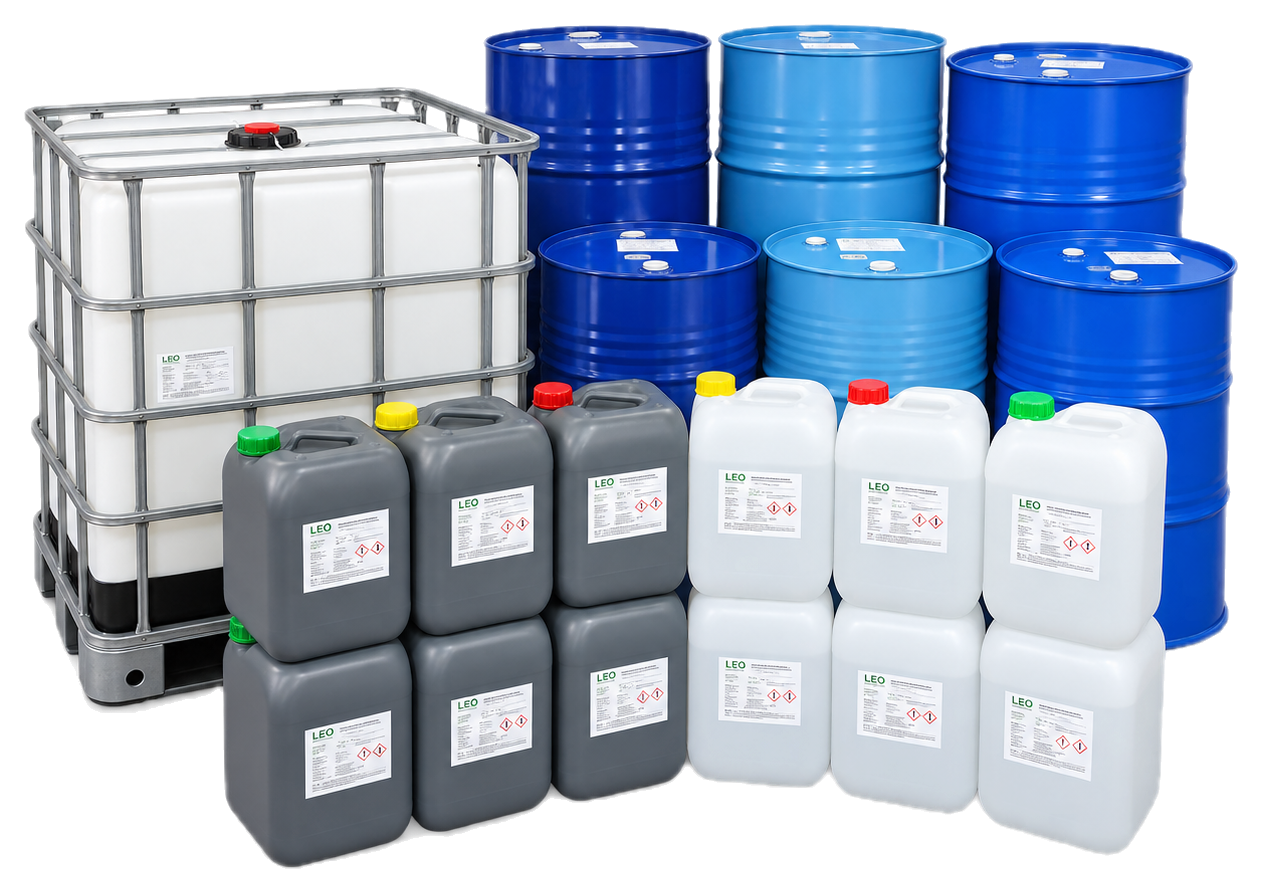
For moulds and dies LEO builds the electrolysis route instead: the mould electrolysis ultrasonic cleaning machine passes current through a special electrolyte so the deposit decomposes and peels off the surface, with cavitation carrying it out of micro-holes, and LEO specifies it as removing rust and carbon without corroding the mould body. Whichever route is used, the process is not complete until the part is dried and protected — LEO’s cleaning-agent range includes a metal rust-preventive series for precisely that step, because bare metal that has just been de-oxidised is bare metal that is about to oxidise.
Process
The process chain
- Step
Degrease first — oil blocks the chemistry
A de-scaling chemistry has to reach the oxide to convert it, and an oil film stops it doing so. Parts arriving with cutting fluid or rust preventive on them are degreased first; skipping this gives patchy de-scaling that reads as a weak chemistry when it is actually a masked surface.
- Step
Ultrasonic de-scale in the converting chemistry
The chemistry converts the oxide; cavitation keeps unreacted solution at the surface and lifts the loosened film. Microstreaming replaces the depleted boundary layer continuously, which is what stops the reaction stalling in its own products inside a bore or a tube.
- Step
Neutralising rinse through the geometry
De-scaling chemistry trapped in a blind bore, a thread or a tube bundle keeps reacting after the part leaves the tank and will undercut the surface it just cleaned. The rinse has to neutralise, and it has to reach as far into the part as the wash did.
- Step
Passivate or rust-preventive immediately
A de-oxidised surface is the most reactive surface in the plant. Stainless work is passivated so the chromium oxide film re-forms deliberately rather than by accident; carbon steel and cast iron get a rust preventive matched to how long they will wait and to what comes next.
- Step
Hot-air dry, then pack dry
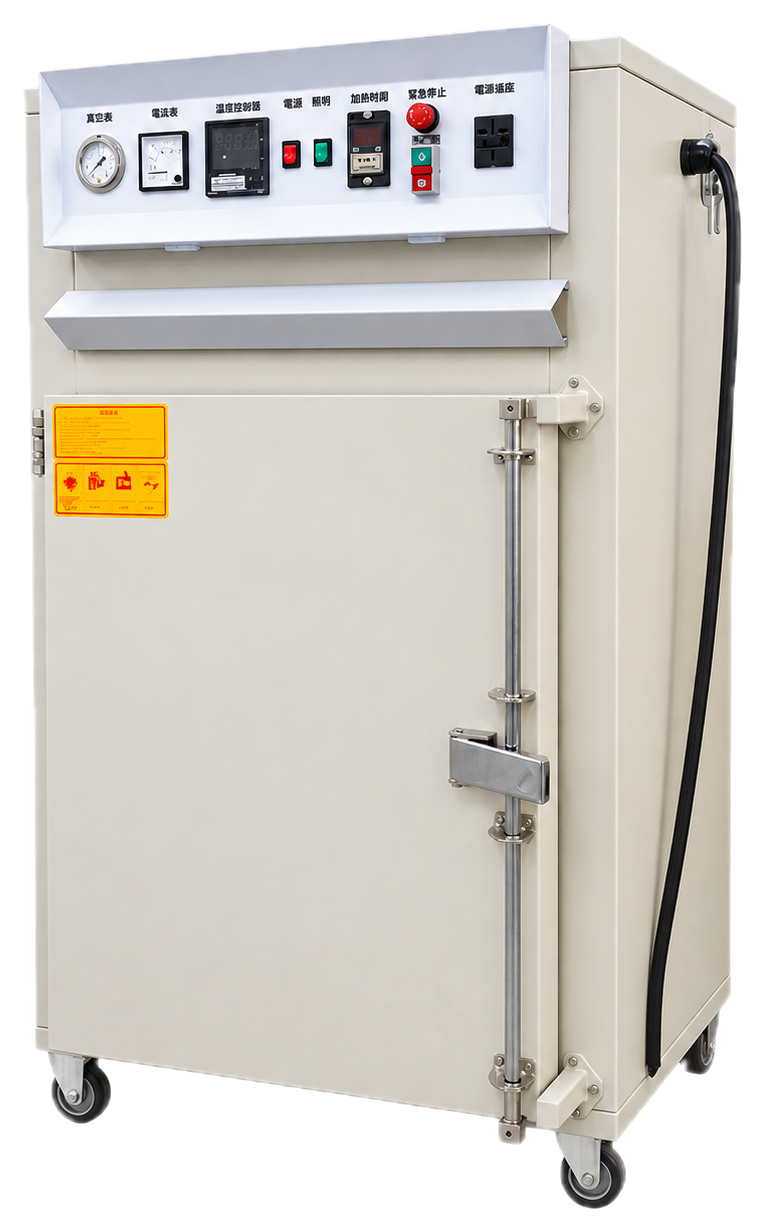
Water left in a thread root, a blind hole or a tube is where the next rust starts, and it starts under the preventive rather than on top of it. Heated circulating air dries the part through its section before it is packed or refitted.
Products
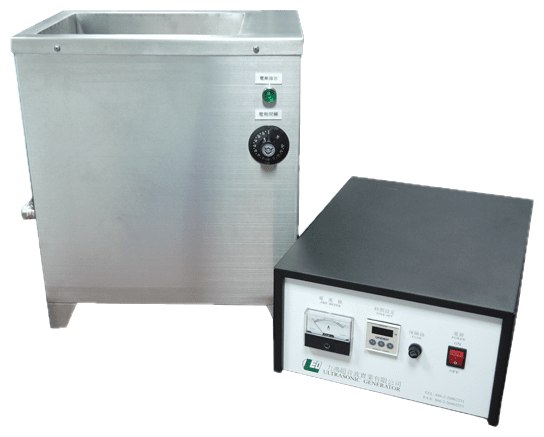
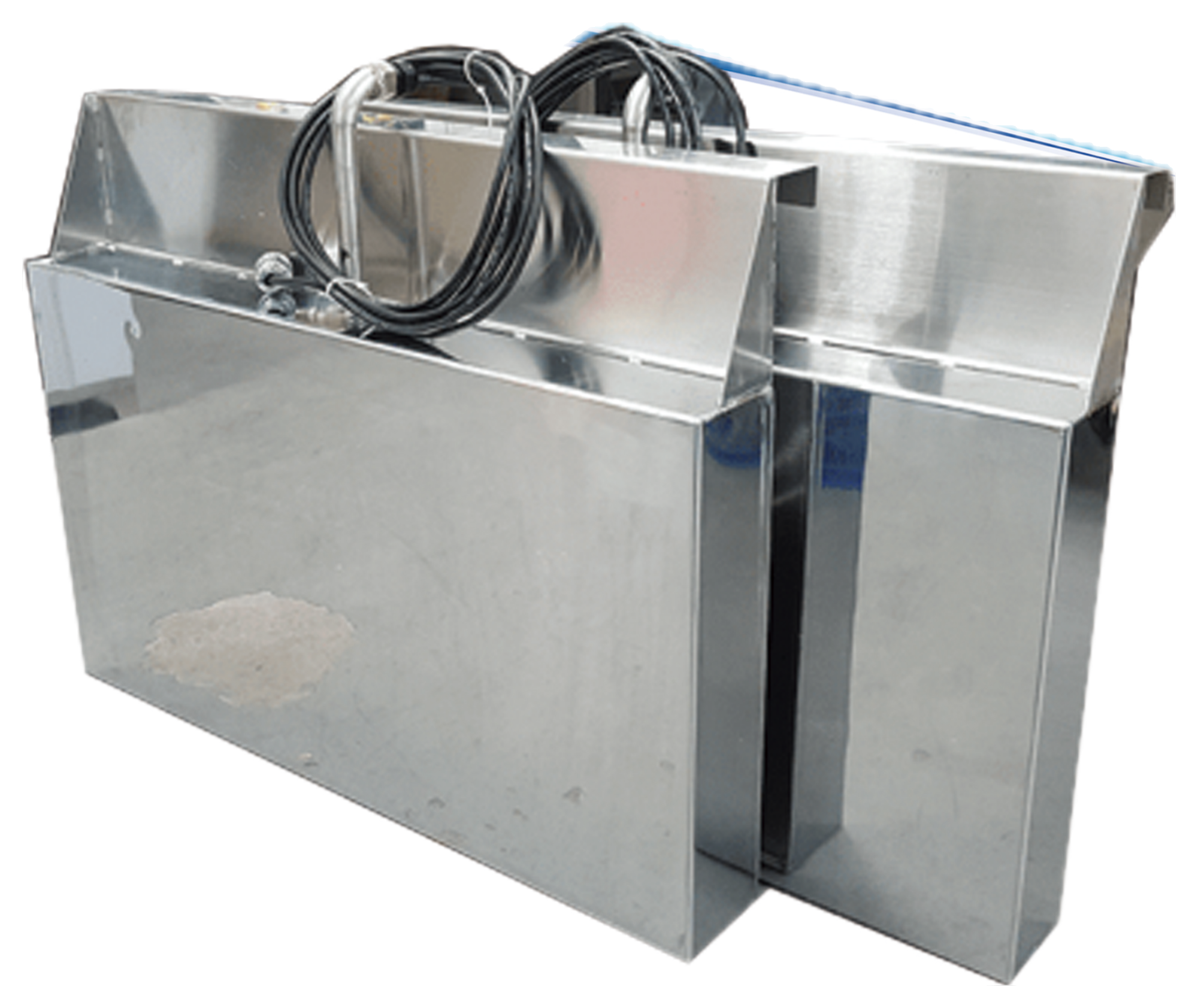
Recommended equipment
Industries
Industries this serves





Frequently asked questions
Three things. It replaces the reacted boundary layer at the surface continuously, so the reaction runs at its true rate instead of stalling in its own products. It lifts the partly converted film off mechanically, so you do not finish with a smut layer that needs a second process. And it makes the chemistry inside a bore, a tube bundle or a thread root behave like the chemistry at the opening, which a static bath cannot promise. On complex geometry that difference decides whether the part is uniformly clean or clean only where you could see.
Not in the same tank. Alkaline degreasing and acidic de-scaling neutralise each other, and running them in one bath gives you a bath that does neither. The standard arrangement is separate tanks in one machine, each with its own heating, its own chemistry and a rinse between them — which is what the double-tank and multi-tank configurations are for. Tank material also has to suit the chemistry, so the machine is specified around the process, not adapted to it afterwards.
Heat tint is not just discolouration — the metal under it is chromium-depleted, and that is where pitting starts in service. Removing the tint has to be followed by passivation so the protective chromium oxide film re-forms deliberately. Ultrasonic agitation helps because the tint sits along a weld line that is often in a corner, an internal seam or a tube-to-tubesheet joint, where getting uniform contact with the chemistry by hand is exactly what does not happen.
Request a Quote
Tell us what you need cleaned
Send us the part, the contaminant and your cycle time. Our engineers size the tank, the frequency and the process chain — and reply with a sized specification for your line.