Automotive
Ultrasonic cleaning for vehicle maintenance and automotive component manufacturing — carbon and oil off engine parts, forming oil off stamped and machined components.
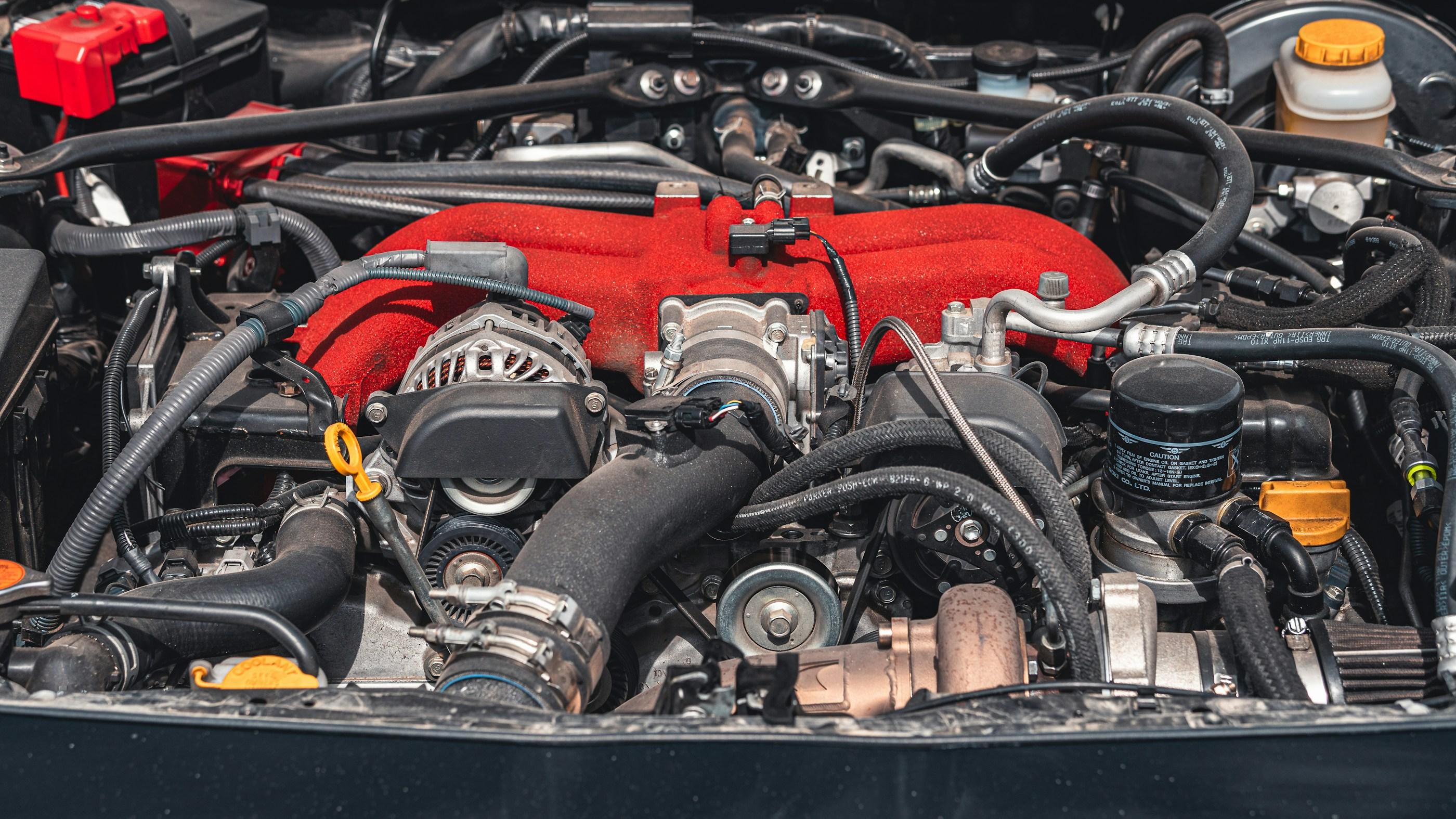
LEO builds ultrasonic cleaning equipment for two sides of the automotive trade: workshop maintenance — carburettors, injectors, chains, brake and engine parts — and component manufacturing, where stamped parts, machined housings and motor components are degreased before plating, coating or assembly. Benchtop units run 22–30 L; production lines run to nine tanks.
Two different customers, and it is worth separating them because they buy different machines. A workshop wants one tank that takes a carburettor, a set of injectors, a chain and a cylinder head, on a bench, with a timer. A component manufacturer wants a line that degreases ten thousand stamped parts a shift and hands them to plating dry.
Maintenance and workshop cleaning
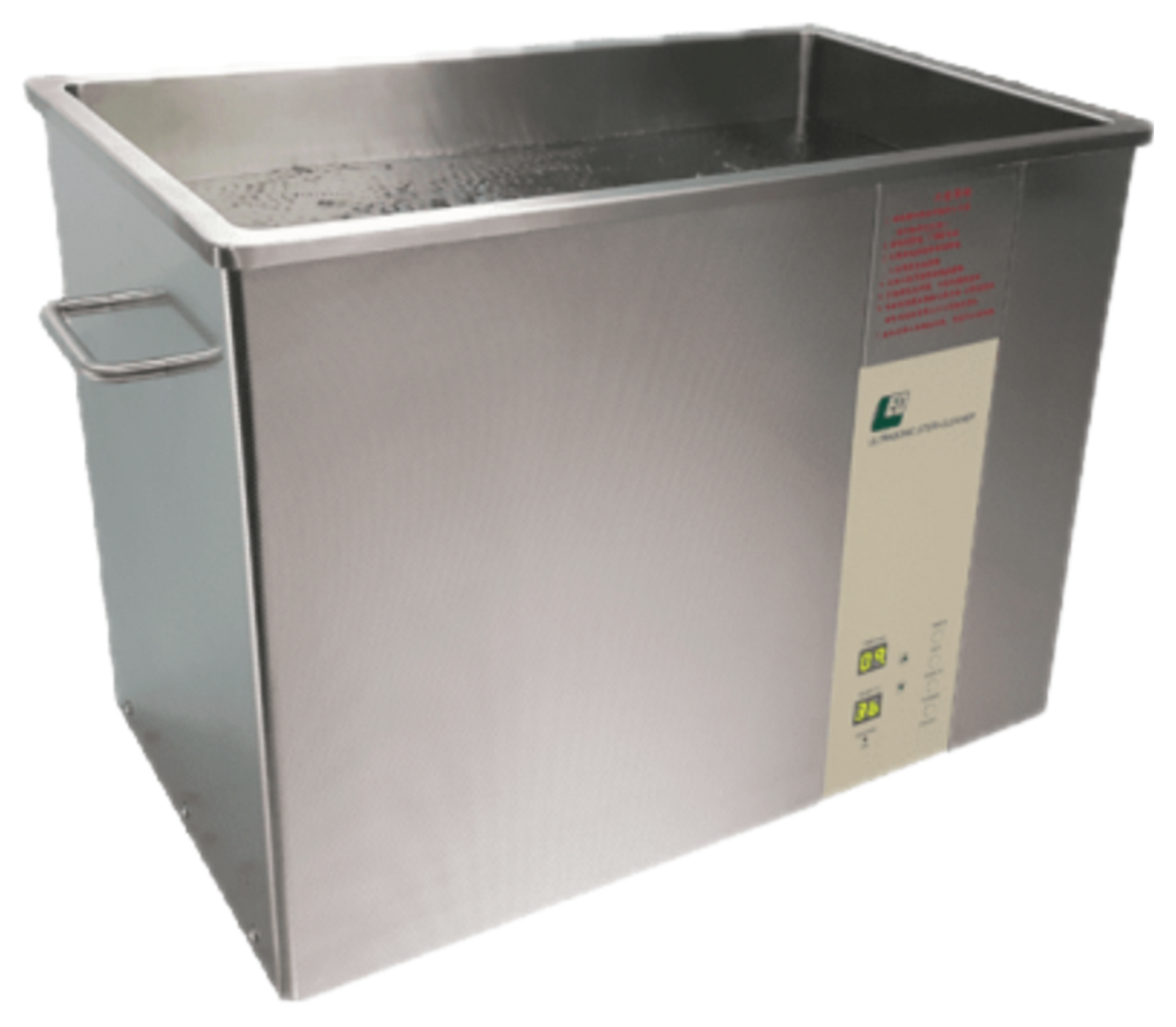
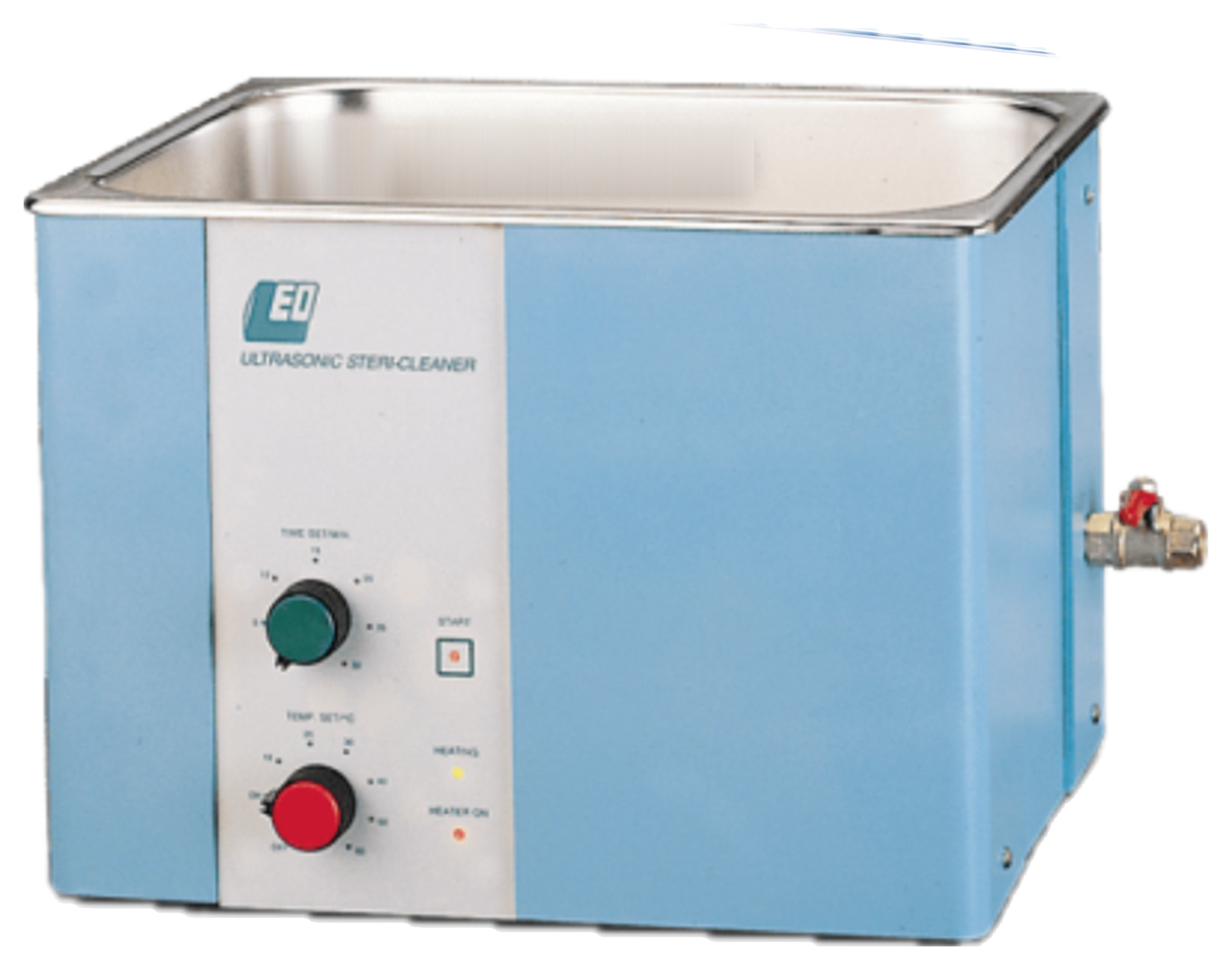
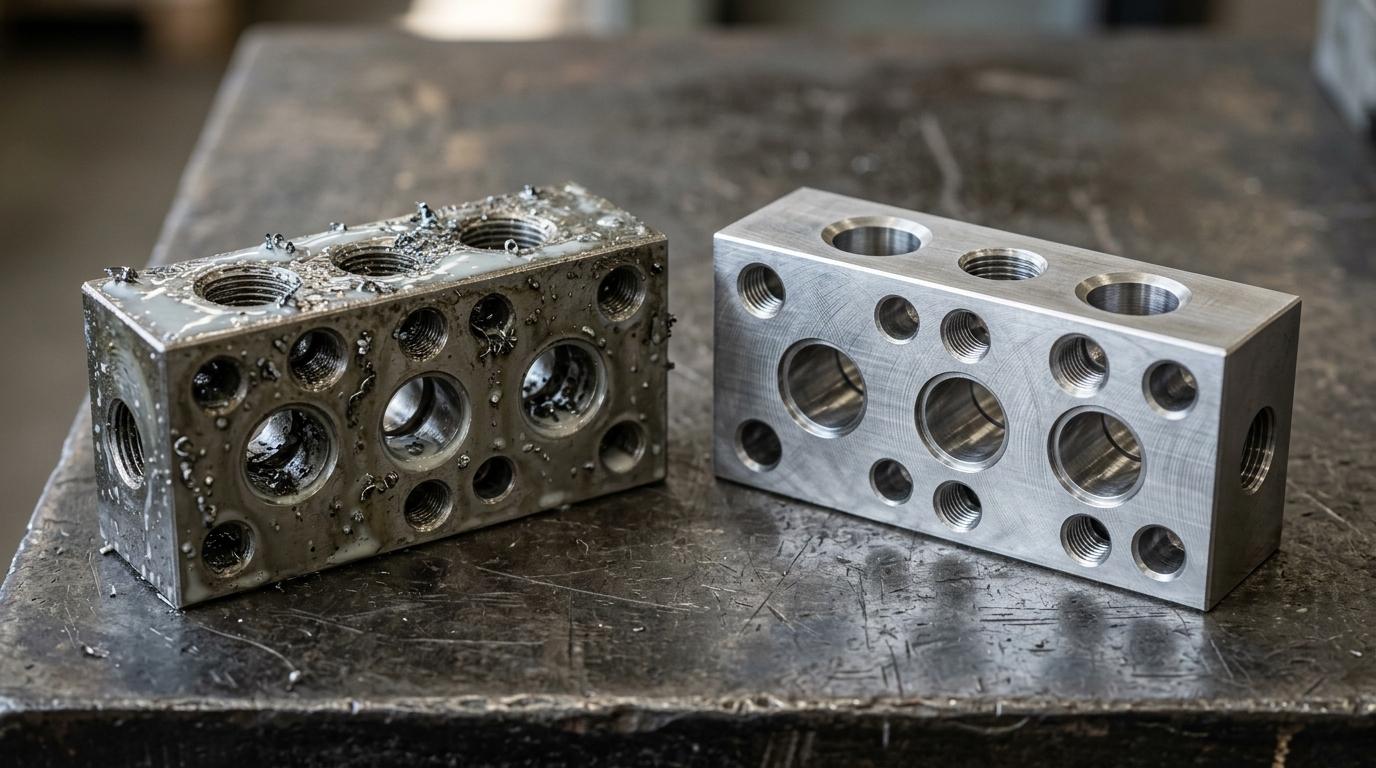
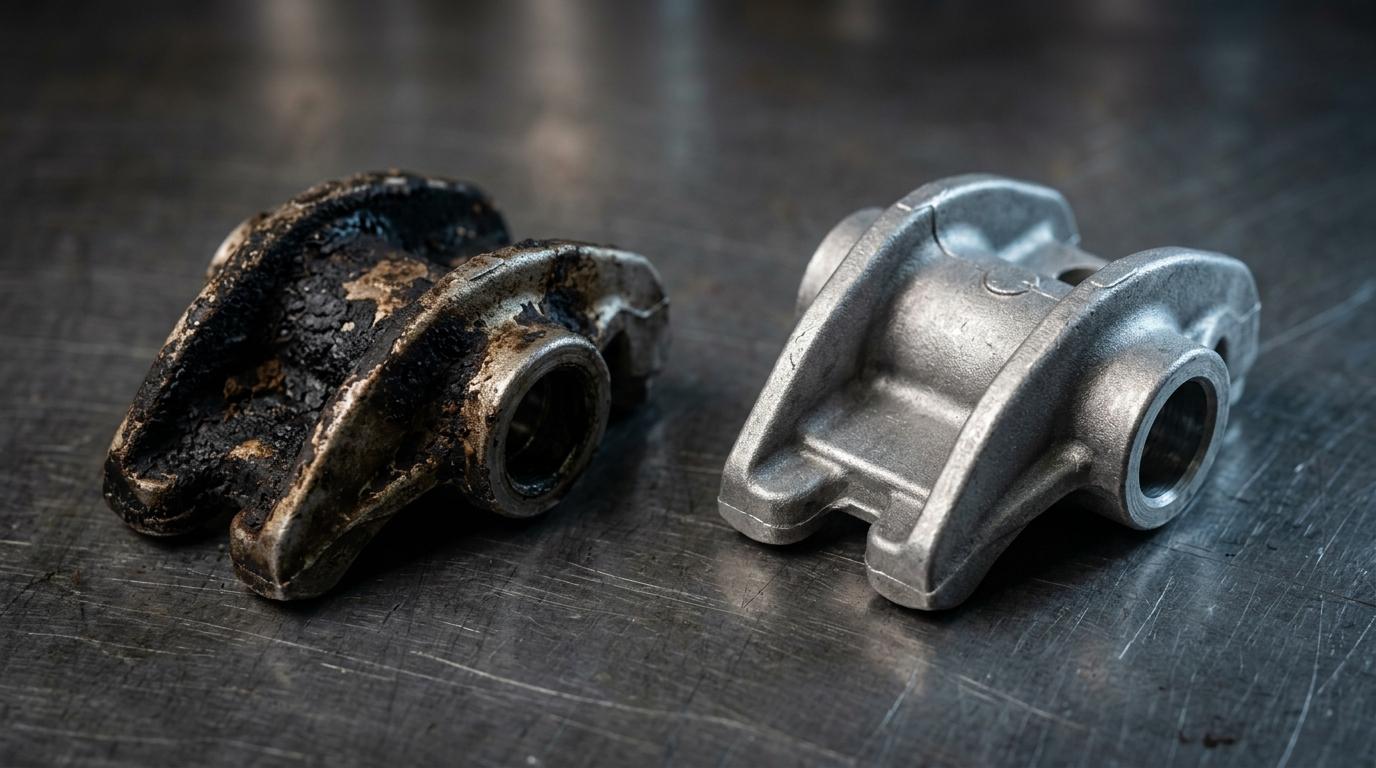
The parts that respond best to ultrasonic cleaning in a workshop are the ones you cannot get a brush into: injector nozzles, carburettor jets and float bowls, chain rollers, radiator and oil-cooler cores, throttle bodies, brake caliper pistons and seals. The soil is carbon, varnish, fuel gum, road film and grease. LEO’s benchtop industrial units — 22 litres in the LEO-400 series and 29 litres in the LEO-6002 series, both offering 40 kHz and 120 kHz — are specified for exactly this work, alongside bicycle and motorcycle maintenance.
One warning that matters more here than anywhere else on this site: carburettors and throttle bodies often carry soft aluminium, zinc castings and non-metallic seals. Strong alkaline degreasers attack all three, and no ultrasonic frequency compensates for the wrong chemistry. Use a neutral or mildly alkaline cleaner and take the rubber out first.
Component manufacturing
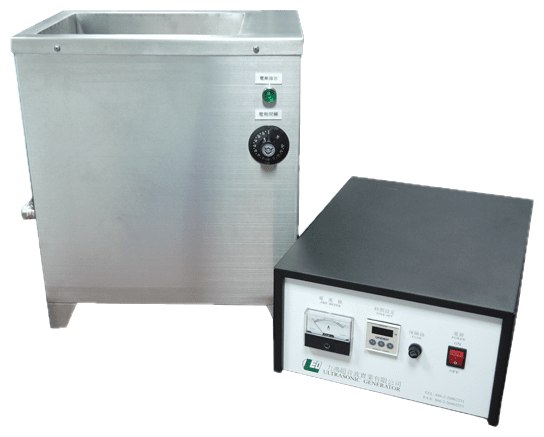
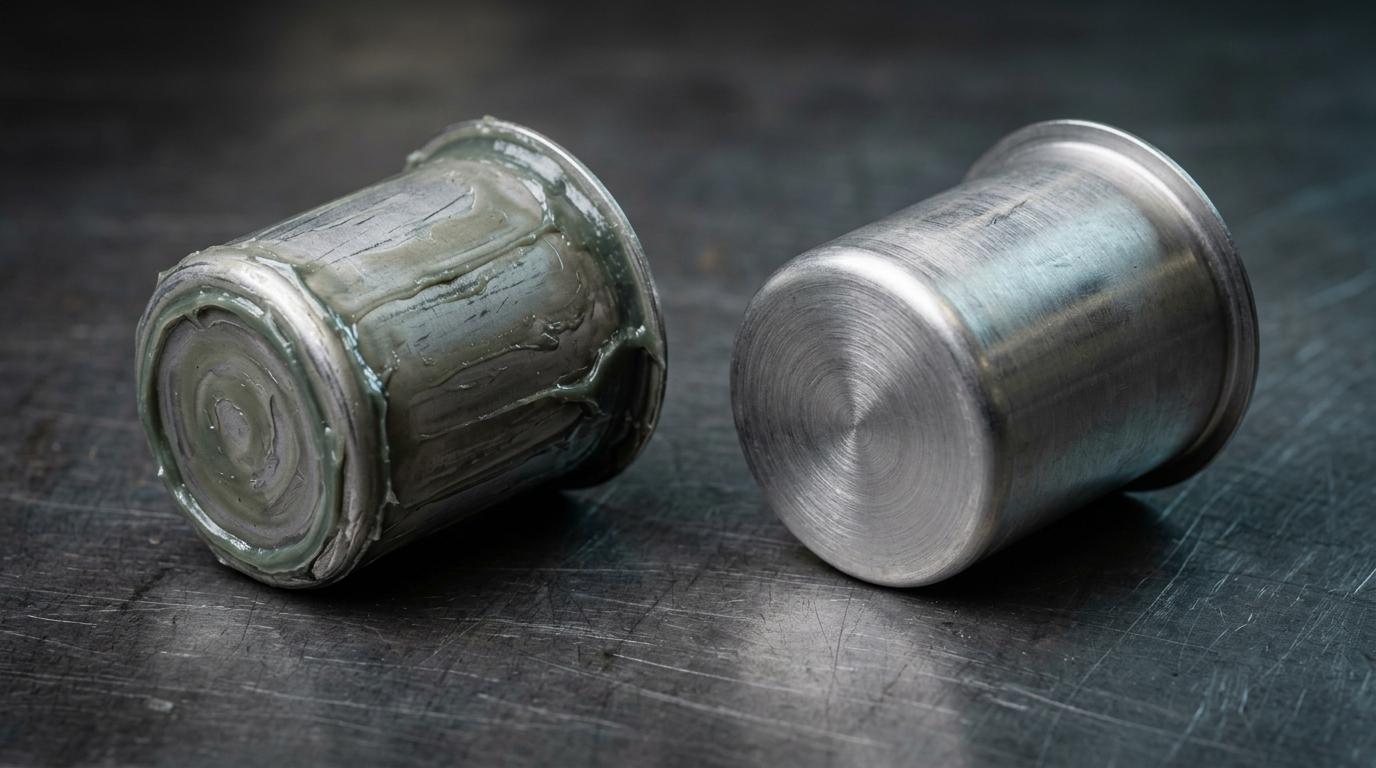
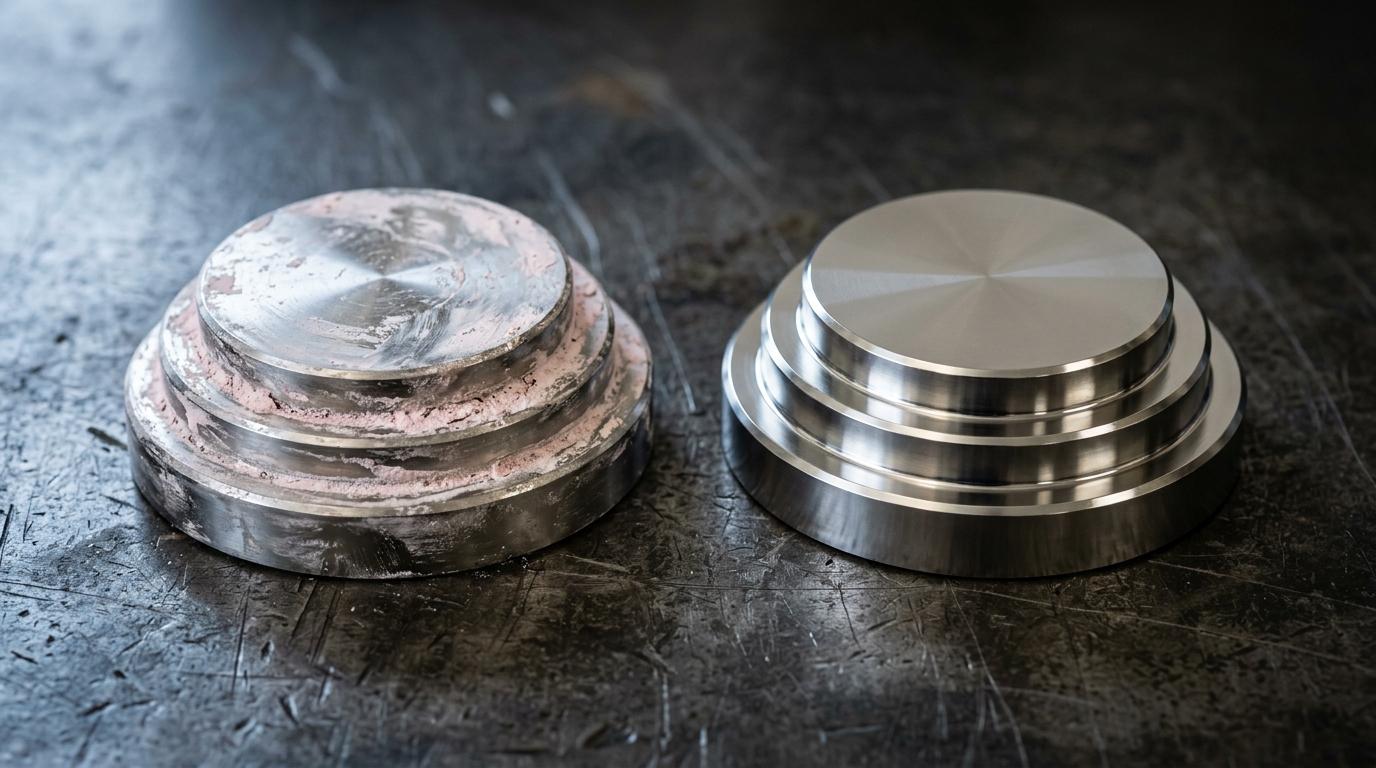
This is the same work as the precision machining and metal stamping sector, applied to automotive parts, and LEO has built the machines: fully automatic five-tank servo motor cleaners, nine-tank stamped-part lines, motor shell cleaners with drying, conveyor-type bearing cleaners. The soil is stamping oil, drawing compound, cutting fluid and metal fines, and the reason it has to go is plating adhesion, coating adhesion, weld quality and assembly cleanliness.
The process chain
A production cleaning line for automotive components runs:
- Load — baskets or conveyor, PLC-controlled lifting and traverse
- Ultrasonic wash in heated detergent, 28 kHz for heavy forming oil, 40 kHz general
- Ultrasonic rinse, then a cascade rinse
- Air-knife blow-off and hot-air or tunnel drying
- Rust-preventive dip before the part waits for the next operation
For a workshop the chain collapses to one heated tank and a rack to drip on, which is why the benchtop series exists.
Workpieces & contamination
Contaminants
- Fuel injectors and injector nozzlesCarbon depositFuel gum and varnishFine particulate40 / 120 kHz
- Carburettors and throttle bodiesFuel gumCarbonOil film40 kHz
- Cylinder heads and engine componentsCarbon depositOil sludgeMachining residue28 / 40 kHz
- Chains, sprockets and drivetrain partsOld chain lubricantRoad gritWear debris28 / 40 kHz
- Radiators, oil coolers and heat exchangersOil residueScaleDebris in the core28 / 40 kHz
- Brake calipers, pistons and hardwareBrake dustCorrosion productsGrease28 / 40 kHz
- Stamped and machined automotive componentsStamping and drawing oilCutting fluidMetal fines28 / 40 kHz
- Motor housings and EV drive componentsMachining oilCasting finesBuffing compound28 / 40 kHz
Products
Recommended equipment
Frequently asked questions
The cleaner can, if the chemistry is wrong. Strong alkaline degreasers attack aluminium and zinc castings and swell or perish rubber seals — with or without ultrasound. Strip out non-metallic parts, use a neutral or mildly alkaline cleaner, and keep the bath temperature moderate.
Big enough for the largest single part you clean regularly, since anything that does not fit under the liquid surface does not get cleaned. LEO’s benchtop industrial series covers 22 L and 29 L with 40 kHz and 120 kHz; beyond that the single-tank industrial range starts at 40 L and runs to 132 L.
Because cleaning removes the oil that was protecting them. Bare cast iron and steel flash-rust within minutes in humid air. Production lines answer this with air-knife blow-off, hot-air drying and a rust-preventive dip; a workshop answers it with compressed air and oil straight out of the rinse.
Request a Quote
Tell us what you need cleaned
Send us the part, the contaminant and your cycle time. Our engineers size the tank, the frequency and the process chain — and reply with a sized specification for your line.