
Textile & Chemical Fibre
Ultrasonic and high-pressure spray cleaning for spinnerets, candle filters, spin packs and textile machine parts — clearing polymer residue from holes as fine as 50 microns.
Learn more
A nozzle is a calibrated hole, so cleaning it is dimensional work: the bore must come back open without being opened further. The blockage is usually carbonised — coked fuel, cured resin or thermally degraded polymer — and it is bonded to the wall rather than sitting on it.
| Workpieces & contamination | What has to come off | Recommended frequency | Documented under |
|---|---|---|---|
| Spinnerets and spinneret plates | 28 / 40 kHz | Textile & Chemical Fibre | |
| Spin packs and filter screens | 28 / 40 kHz | Textile & Chemical Fibre | |
| Dye jets and nozzles | 40 kHz | Textile & Chemical Fibre | |
| Fuel injectors and injector nozzles | 40 / 120 kHz | Automotive | |
| Nozzles, print heads and mixing parts | 40 / 80 kHz | 3D Printing & Additive Manufacturing | |
| Fuel injectors and injector nozzles | 40 kHz | Marine | |
| Turbocharger rotors and nozzle rings | 28 / 40 kHz | Marine |
Ultrasonic and high-pressure spray cleaning for spinnerets, candle filters, spin packs and textile machine parts — clearing polymer residue from holes as fine as 50 microns.
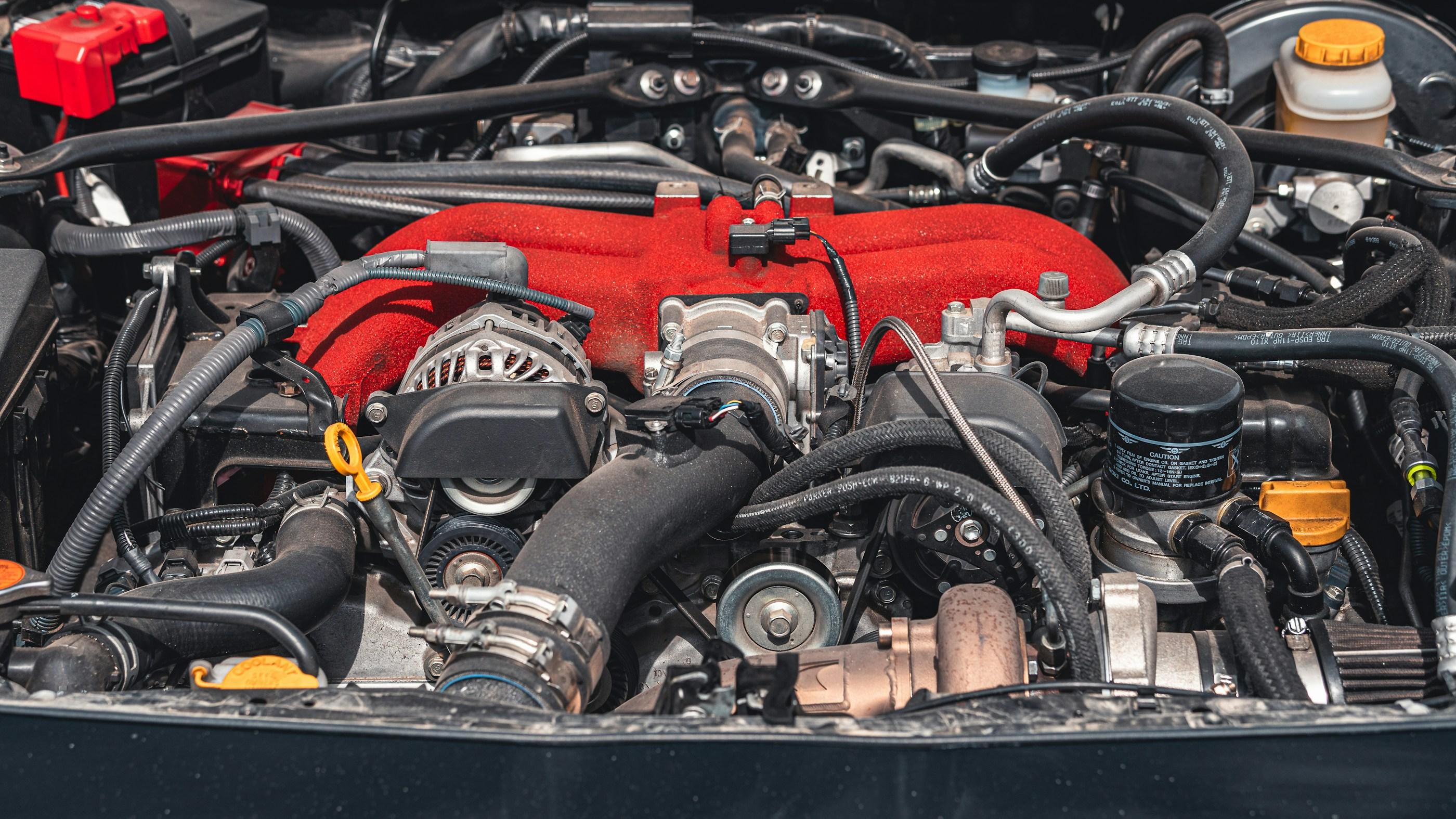
Ultrasonic cleaning for vehicle maintenance and automotive component manufacturing — carbon and oil off engine parts, forming oil off stamped and machined components.
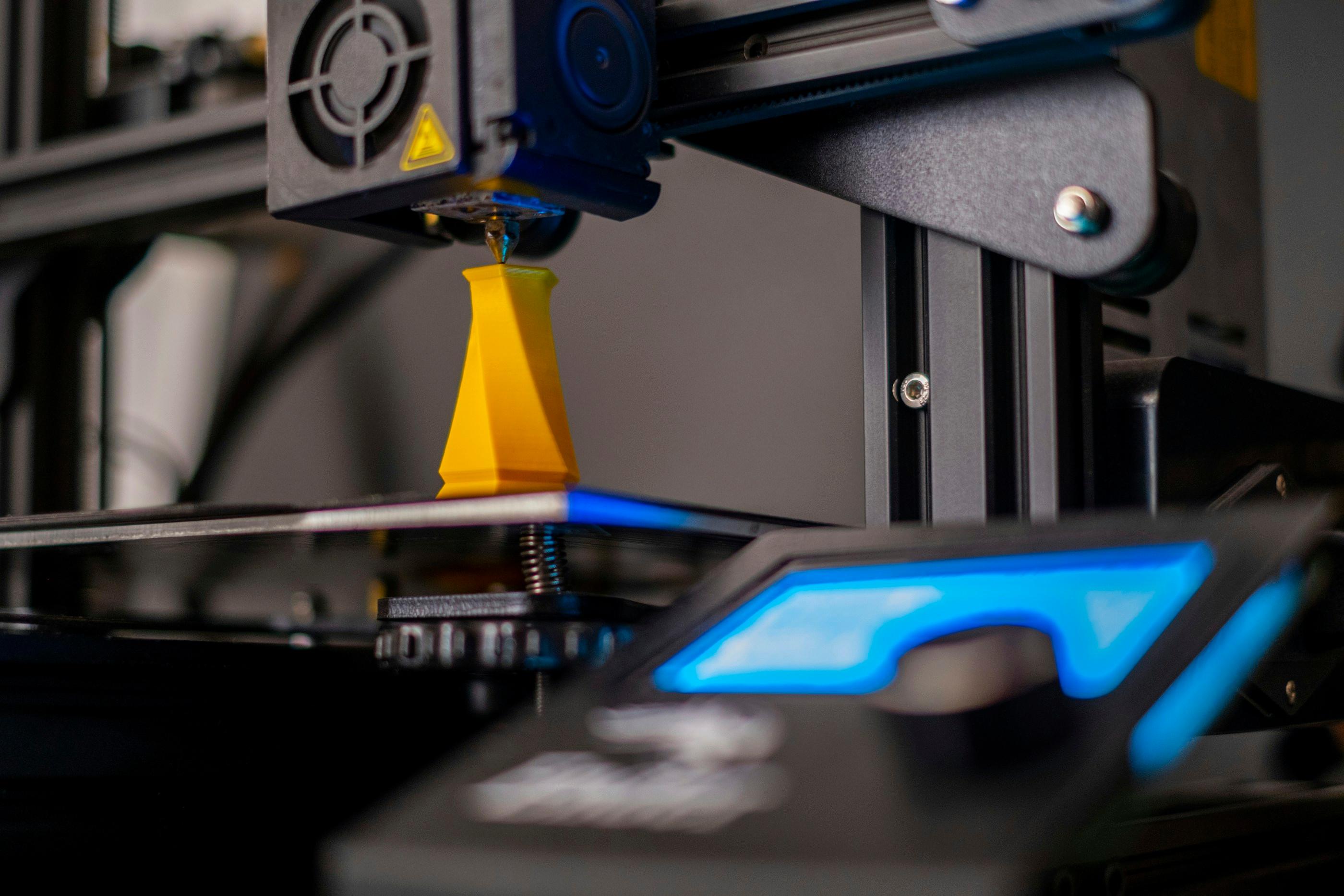
Ultrasonic cleaning for additive manufacturing — uncured resin off SLA parts, residual powder out of SLS and metal AM lattices, and cured build-up off plates and nozzles.

What ultrasonic cleaning does for marine engineering — mainly filter elements, plus carbon, salt scale and oil sludge off engine components, heat exchangers and fuel system parts.
Tell us what you need cleaned
Send us the part, the contaminant and your cycle time. Our engineers size the tank, the frequency and the process chain — and reply with a sized specification for your line.