3D Printing & Additive Manufacturing
Ultrasonic cleaning for additive manufacturing — uncured resin off SLA parts, residual powder out of SLS and metal AM lattices, and cured build-up off plates and nozzles.
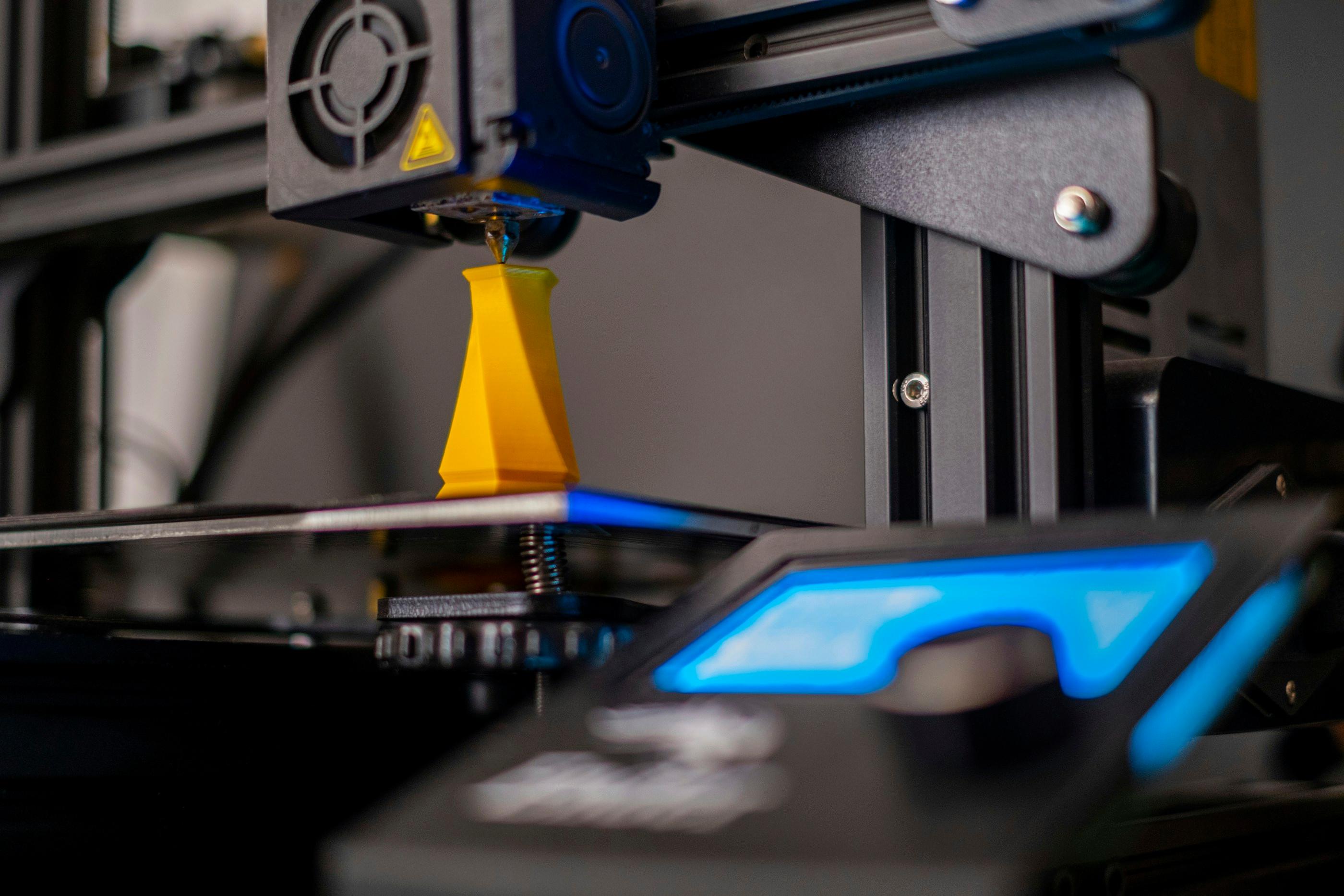
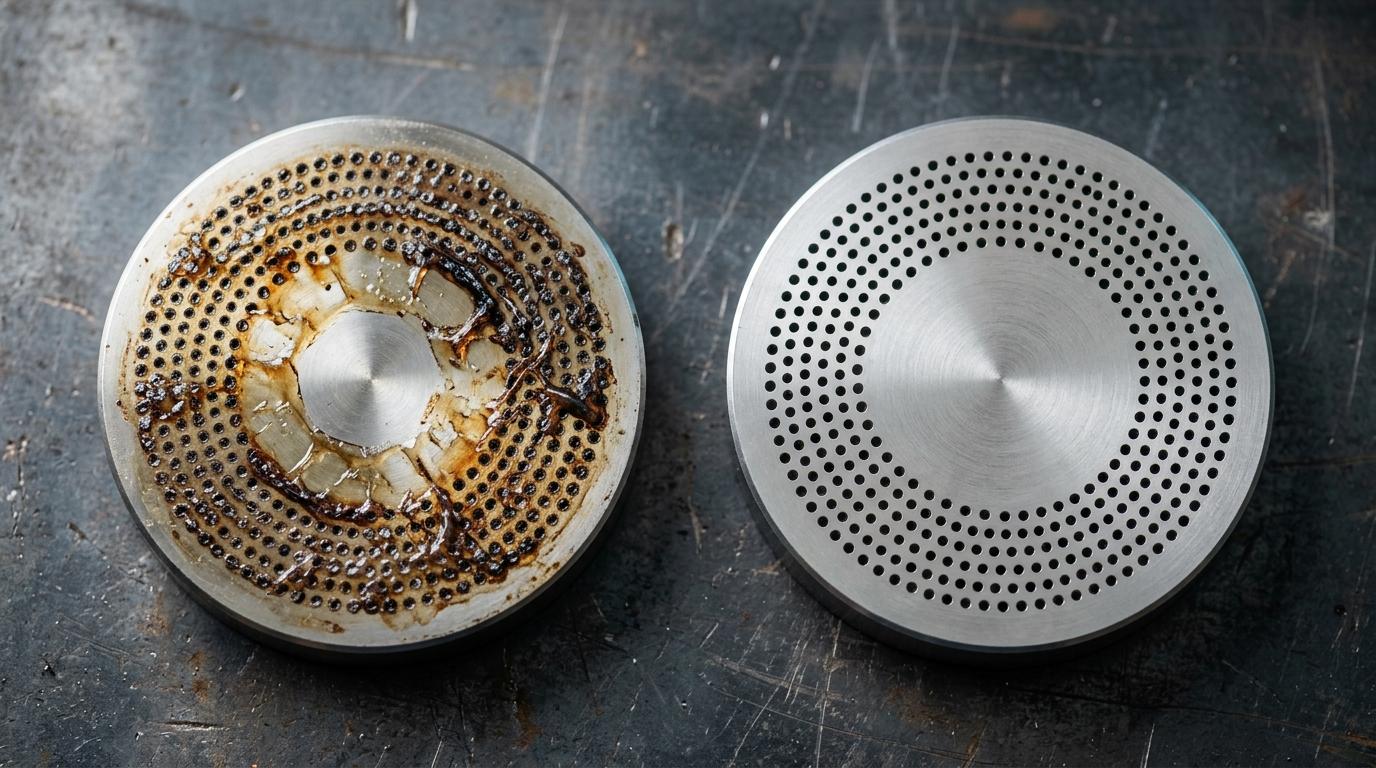
LEO builds ultrasonic cleaning equipment for 3D printing and additive manufacturing. Cavitation removes uncured photopolymer from SLA and DLP parts, residual powder from SLS, MJF and metal AM geometries, support residue from FDM prints, and cured build-up from build plates and nozzles — reaching internal channels and lattices that no post-processing method can wipe.
Additive manufacturing has a post-processing problem that is the exact inverse of machining. A machined part is clean by default and contaminated by the process; a printed part arrives coated in, or packed with, the raw material it was made from — uncured resin in every recess, unfused powder in every internal channel, support material bonded to the surface it was supporting.
And it is precisely the geometry that makes printing worth doing — internal channels, conformal cooling, lattices, undercuts — that makes the residue impossible to reach. That is the same argument this whole site makes for ultrasonic cleaning, and it applies more sharply here than in any conventional process.
Where LEO’s equipment fits
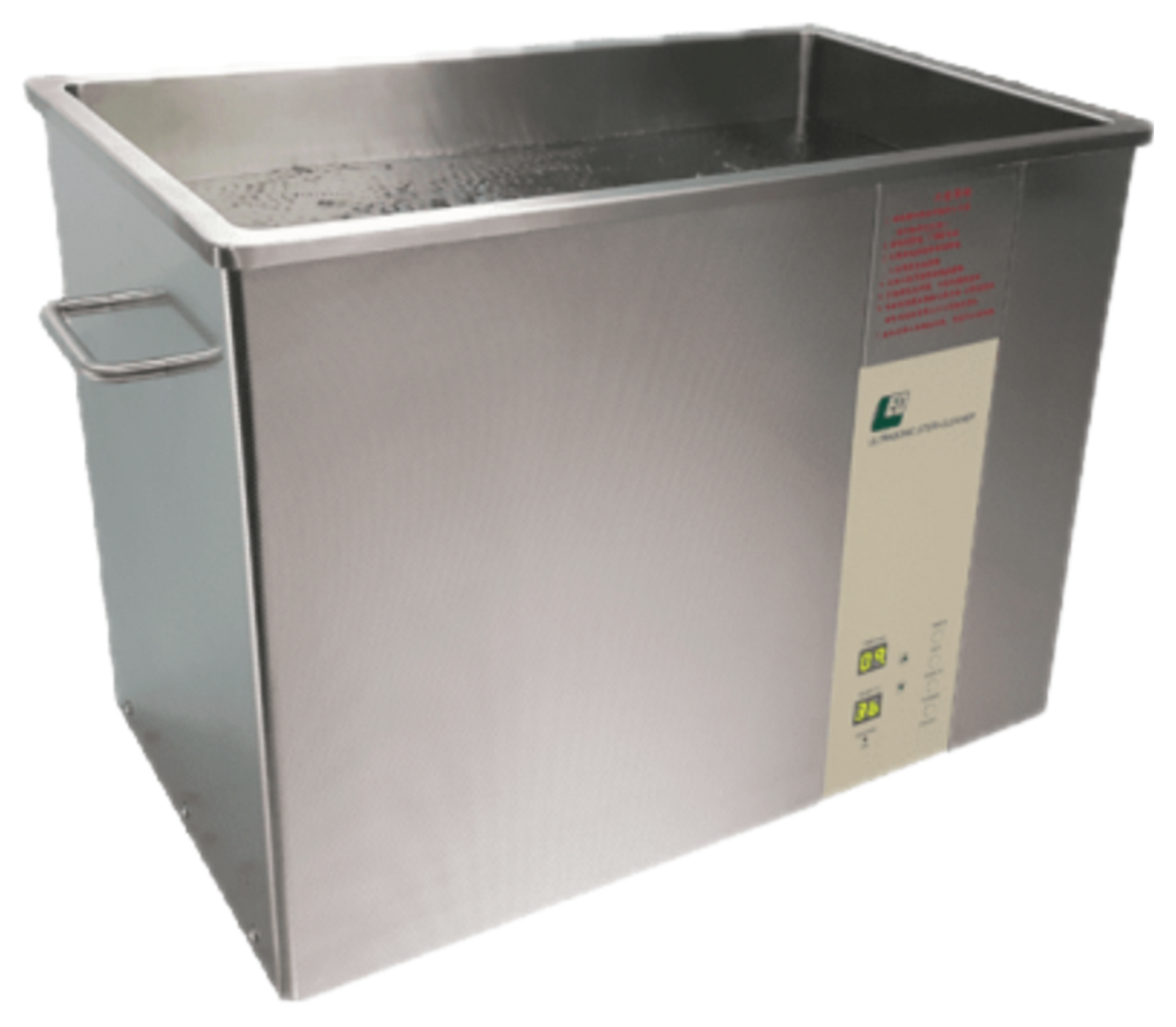
LEO’s benchtop industrial units are specified for 3D printing work as part of their standard application list: the LEO-400 series at 22 litres and the LEO-6002 series at 29 litres, both offering 40 kHz and 120 kHz with digital time and temperature control. For production volumes the single-tank industrial range runs from 40 to 132 litres, and multi-stage lines with rinsing and drying are built to order.
Three warnings worth reading before you specify anything
Solvents first. Isopropyl alcohol is the standard wash for uncured photopolymer and it is flammable. Never heat it in an open ultrasonic tank, and never run it in a machine that was not specified for a flammable medium — an indirect or sealed arrangement, with the solvent in a closed vessel sitting in a water bath, is the normal way this is done safely. Tell us the solvent before the tank is quoted.
Reactive powders second. Fine aluminium, titanium and magnesium powders from metal AM are a dust-explosion and reactivity risk, and wet processing of them needs a process review, not a standard tank. Steel and nickel-alloy powders are far more forgiving.
Resin parts third. A green SLA part is soft, and over-long ultrasonic exposure in solvent will round its edges and craze thin sections. Short cycles at the higher frequency, then post-cure — not the other way round.
The process chain
A typical post-processing sequence:
- Bulk removal — drain, brush or depowder, so the tank is not doing work a shake could do
- Ultrasonic wash in the appropriate medium, 40 kHz general or 80–120 kHz for fine features
- Second-stage rinse in clean medium, so the part is not finished in dirty solvent
- Dry — hot-air circulation, or centrifugal drying for parts that hold liquid in a lattice
- Post-cure, support removal or surface finishing, depending on the process
Tell us the process, the material and the medium you intend to use, and LEO will specify a tank that is safe to run it in.
Workpieces & contamination
Contaminants
- SLA / DLP resin partsUncured photopolymerResin pooled in recesses40 / 120 kHz
- SLS and MJF nylon partsUnfused polymer powderSurface powder cake40 kHz
- Metal AM parts (DMLS / SLM)Partially sintered powderSupport-removal debrisMachining residue28 / 40 kHz
- Conformal cooling channels and latticesTrapped powderPartially sintered material28 / 40 kHz
- FDM parts with soluble supportsPVA / HIPS support materialStringing and surface debris40 kHz
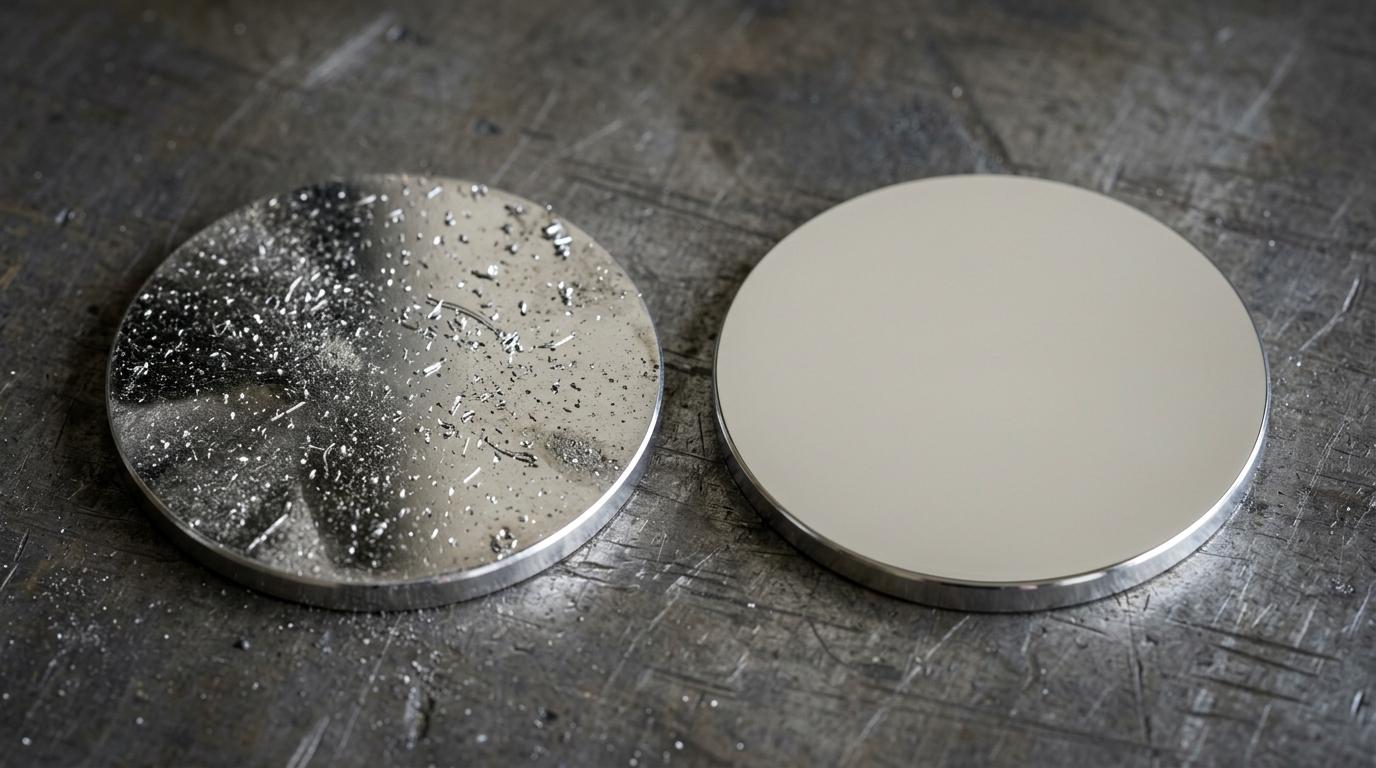
- Build plates and print bedsCured resinAdhesion promoterBaked-on filament28 / 40 kHz
- Nozzles, print heads and mixing partsCarbonised filamentCured resinPigment residue40 / 80 kHz
- Powder-handling hardware and sievesCaked powderCross-contaminating material28 / 40 kHz
Products
Recommended equipment
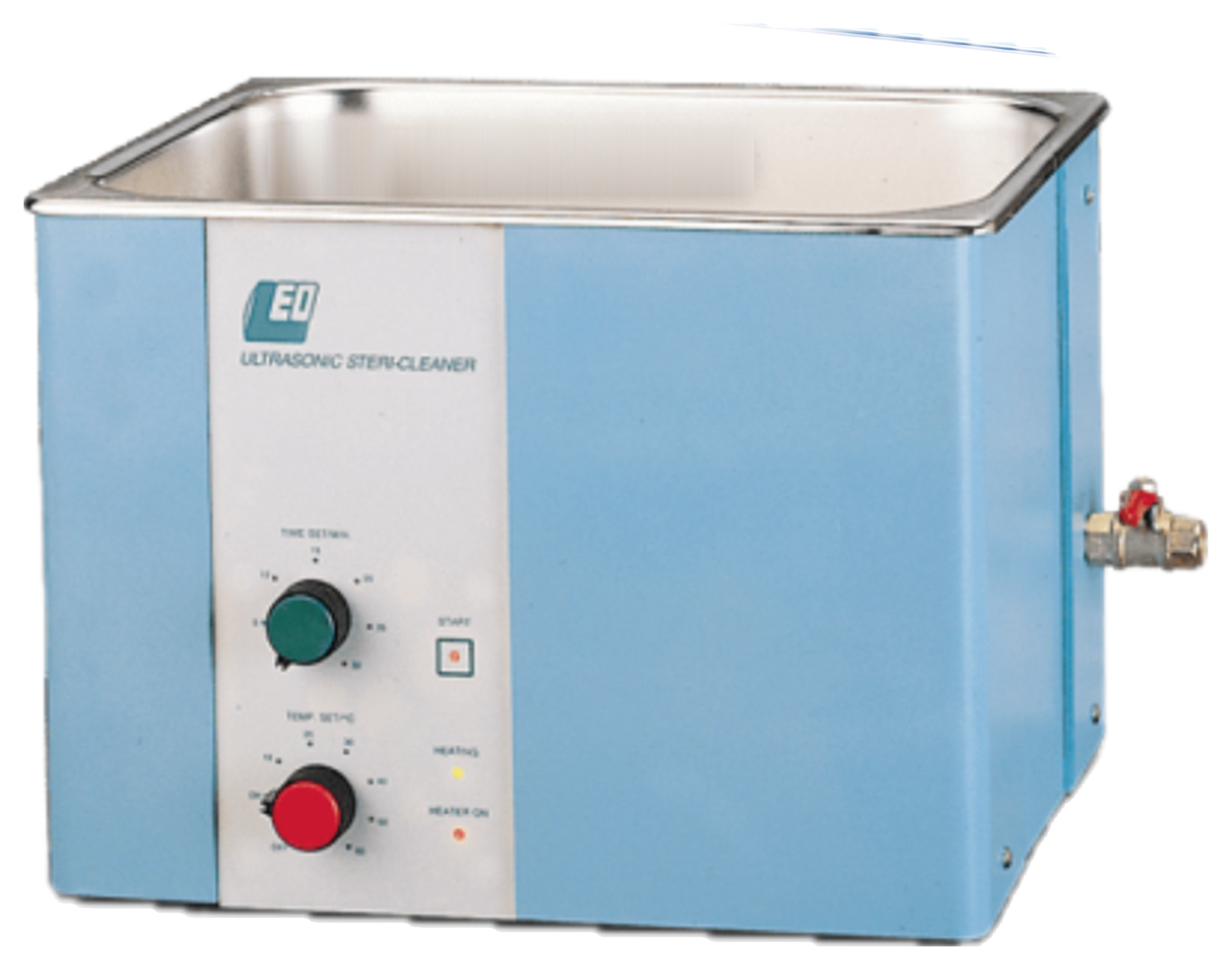
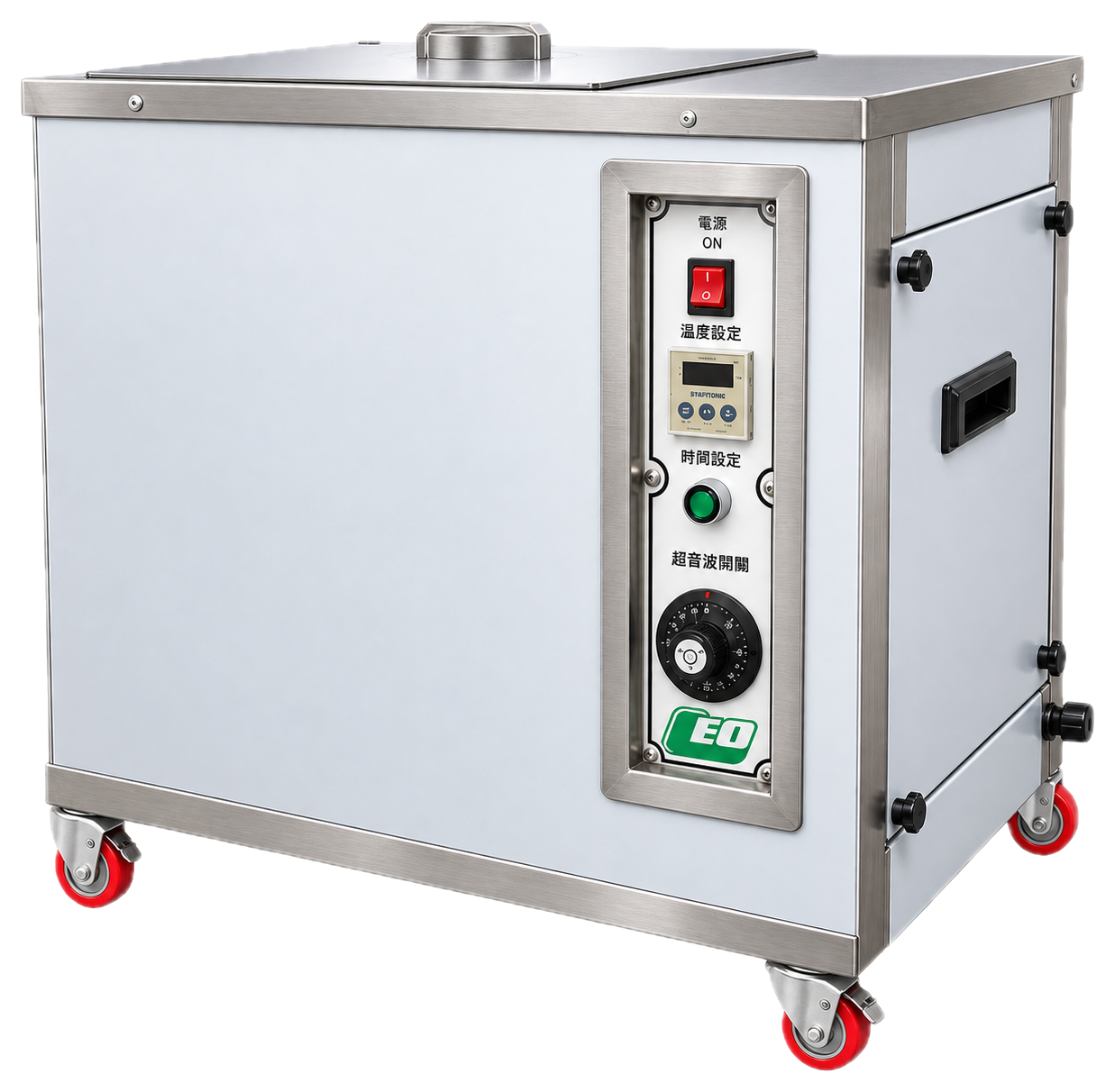
Contaminants
Cleaning applications
Frequently asked questions
Not in an open heated tank. IPA is flammable and ultrasonic energy heats the bath. The safe arrangement is indirect: the solvent sits in a closed vessel inside a water-filled ultrasonic tank, so the cavitation is coupled through the water. Tell LEO the solvent before the machine is specified.
It can, if the cycle is too long. An uncured part is soft, and prolonged exposure in solvent rounds sharp edges and crazes thin sections. Use a short cycle at the higher frequency, change to clean medium for a second pass, and post-cure afterwards rather than before.
Better than anything else available, but not on its own. Cavitation breaks the powder’s grip on the wall; getting it out of a long channel needs flow through the bore as well, and getting it out of the bath needs filtration — otherwise it settles back onto the next part.
Request a Quote
Tell us what you need cleaned
Send us the part, the contaminant and your cycle time. Our engineers size the tank, the frequency and the process chain — and reply with a sized specification for your line.