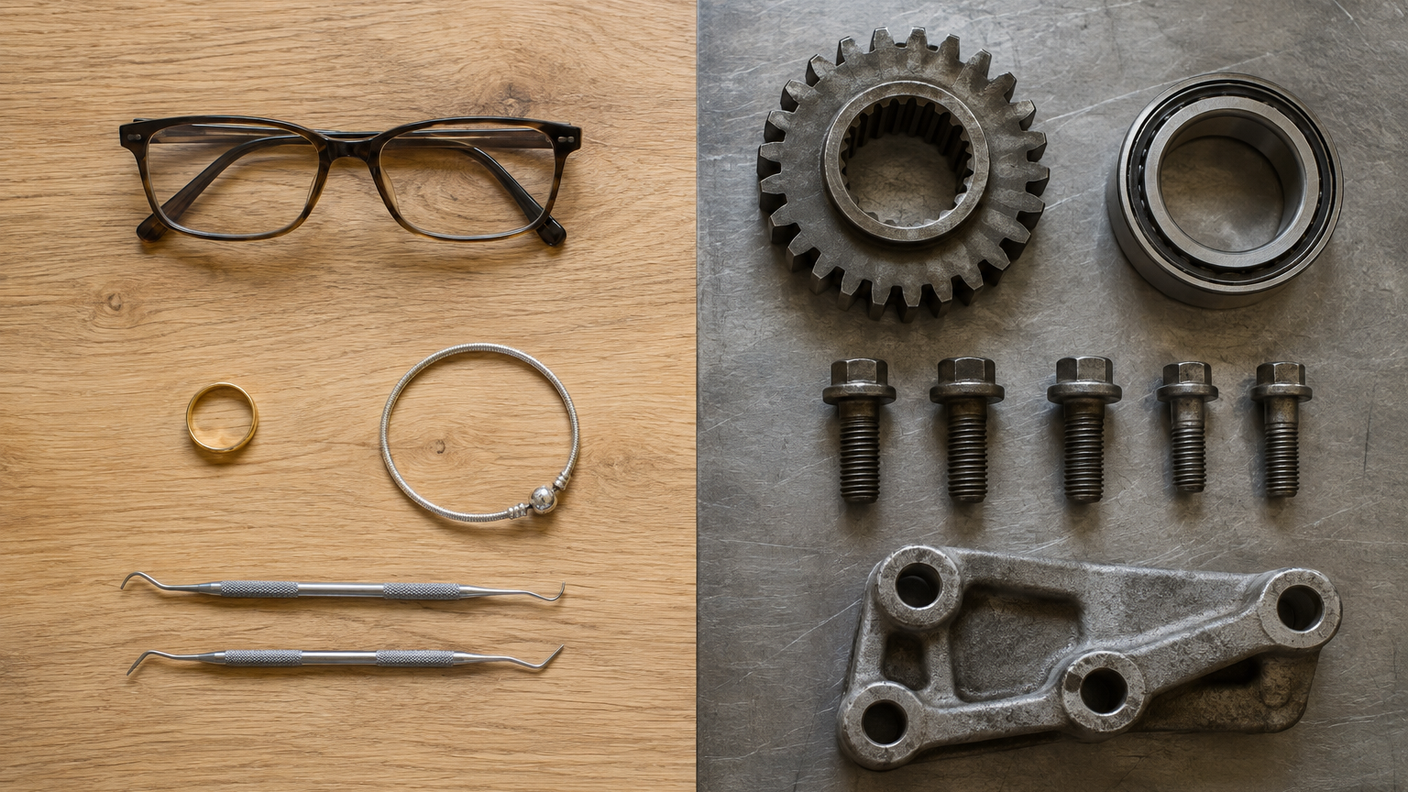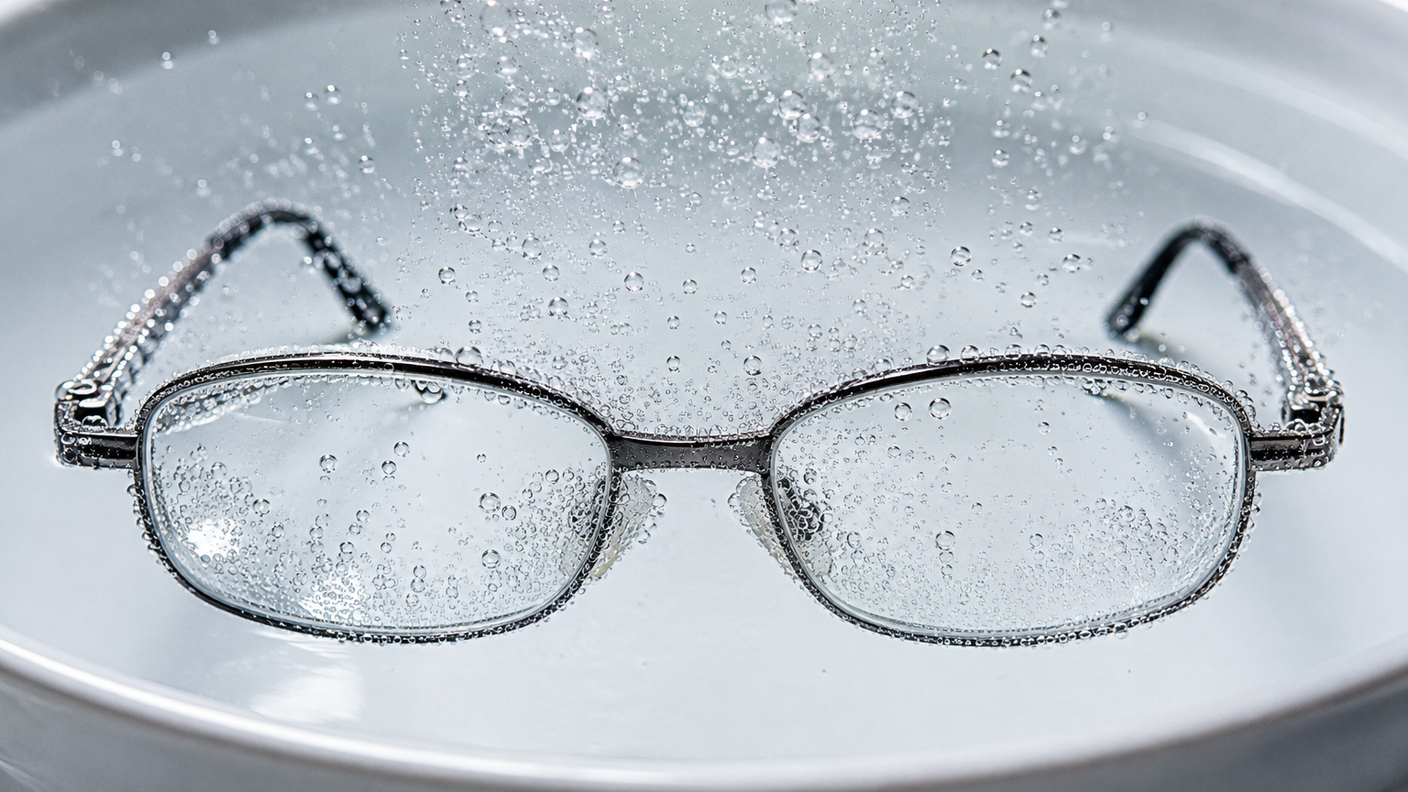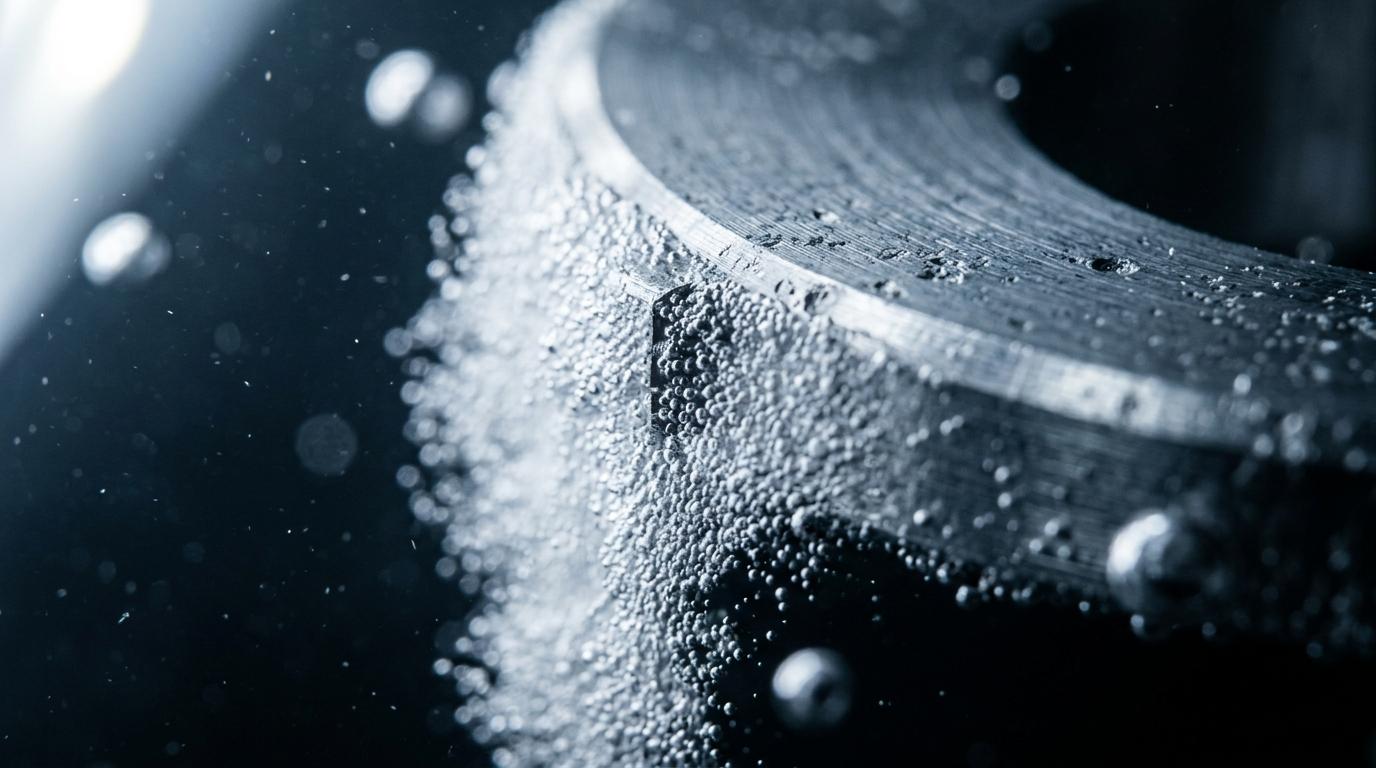
An ultrasonic cleaner is a device for cleaning the surface of an object. It is most often used on eyeglasses, jewellery, razors, dental and surgical instruments, and industrial parts. The principle: a liquid such as water acts as the medium, and a transducer generates ultrasonic vibration at 20 to 50 kHz. The vibrating liquid cavitates, producing countless microscopic bubbles; as each bubble collapses it releases a burst of high pressure and ultrasonic vibration that lifts soil off the surface of the workpiece.

What Is an Ultrasonic Cleaner?
An ultrasonic cleaner removes soil from the surface of an object — including the dirt and dust lodged in gaps that nothing else reaches. LEO Ultrasonic explains how the principle works.

More from the knowledge centre

What Are the Main Advantages of Commercial Ultrasonic Washing Machines for Restaurants?
In today’s foodservice industry, efficiency and hygiene are top priorities. Commercial ultrasonic washing machines provide restaurants and centr...

How Home Ultrasonic Cleaners Differ in Size and Features from Commercial Ones
When considering ultrasonic cleaning solutions, it’s important to understand the differences between home ultrasonic cleaners and commercial ult...

How Well Do Ultrasonic Cleaners Clean Eyeglasses?
Do ultrasonic eyeglass cleaners really work? The compact ultrasonic cleaners sold for home use will clean spectacles well, but a few points matter. LEO Ultrasonic has collected them here.
Tell us what you need cleaned
Send us the part, the contaminant and your cycle time. Our engineers size the tank, the frequency and the process chain — and reply with a sized specification for your line.