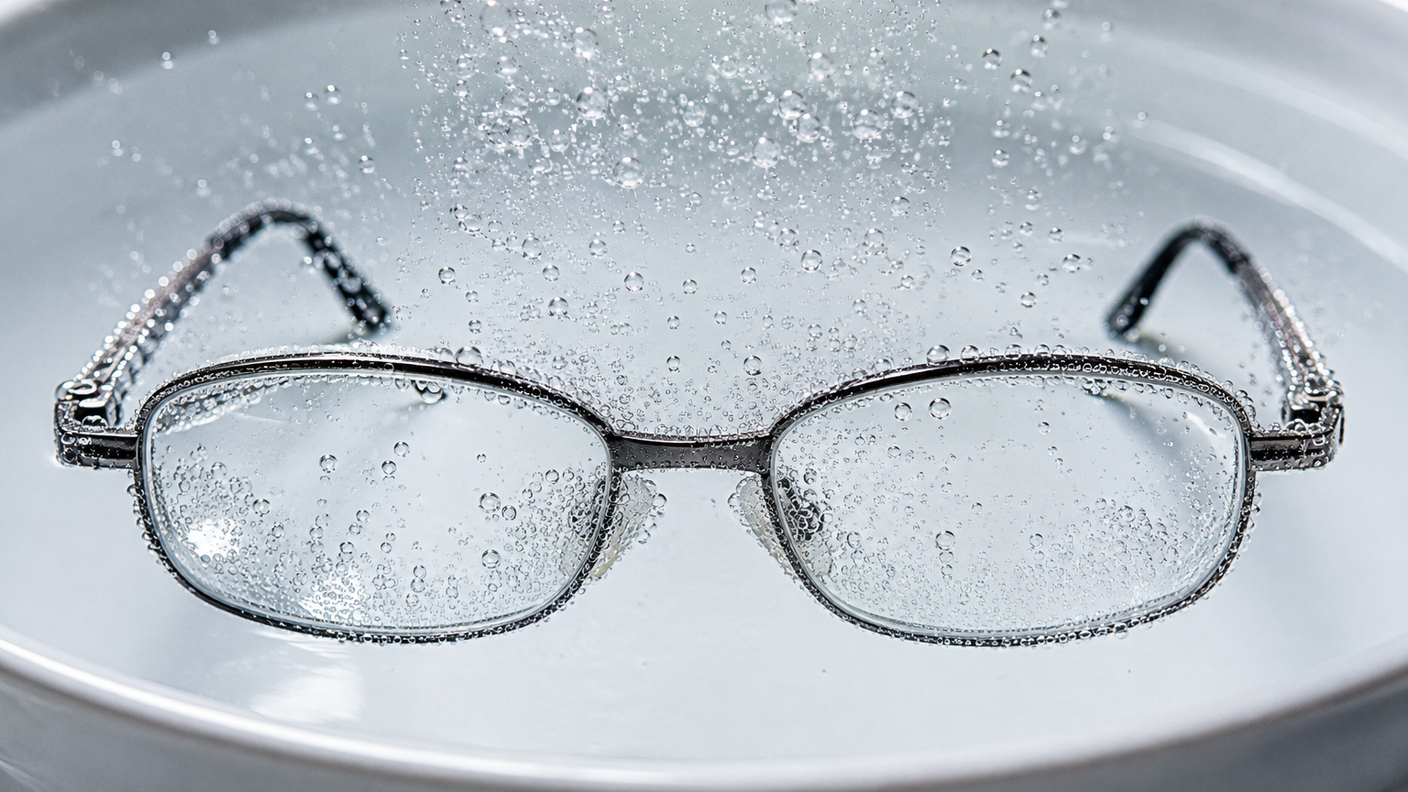
The ultrasonic cleaning machine is mainly composed of an ultrasonic signal generator transducer and a cleaning tank.
The ultrasonic signal generator generates a high-frequency oscillating signal, which is converted into a high-frequency mechanical oscillation in tens of thousands times per second by the transducer, and forms an ultrasonic wave in the cleaning liquid (medium), alternating with positive and negative pressures to radiate forward in the cleaning liquid with a dense manner, so that numerous tiny bubbles are continuously generated in the cleaning liquid and continuously rupture. This phenomenon is called "cavition effect"..
When the bubble bursts, it can form an instantaneous high pressure of more than 1000 atmospheres, which produces a series of explosions that release huge energy and form a huge impact on the surrounding, thus continuously impacting the surface of the workpiece, causing the dirt on the working surface and the gap to be peeled off rapidly, thereby reaching the purpose of surface purification.
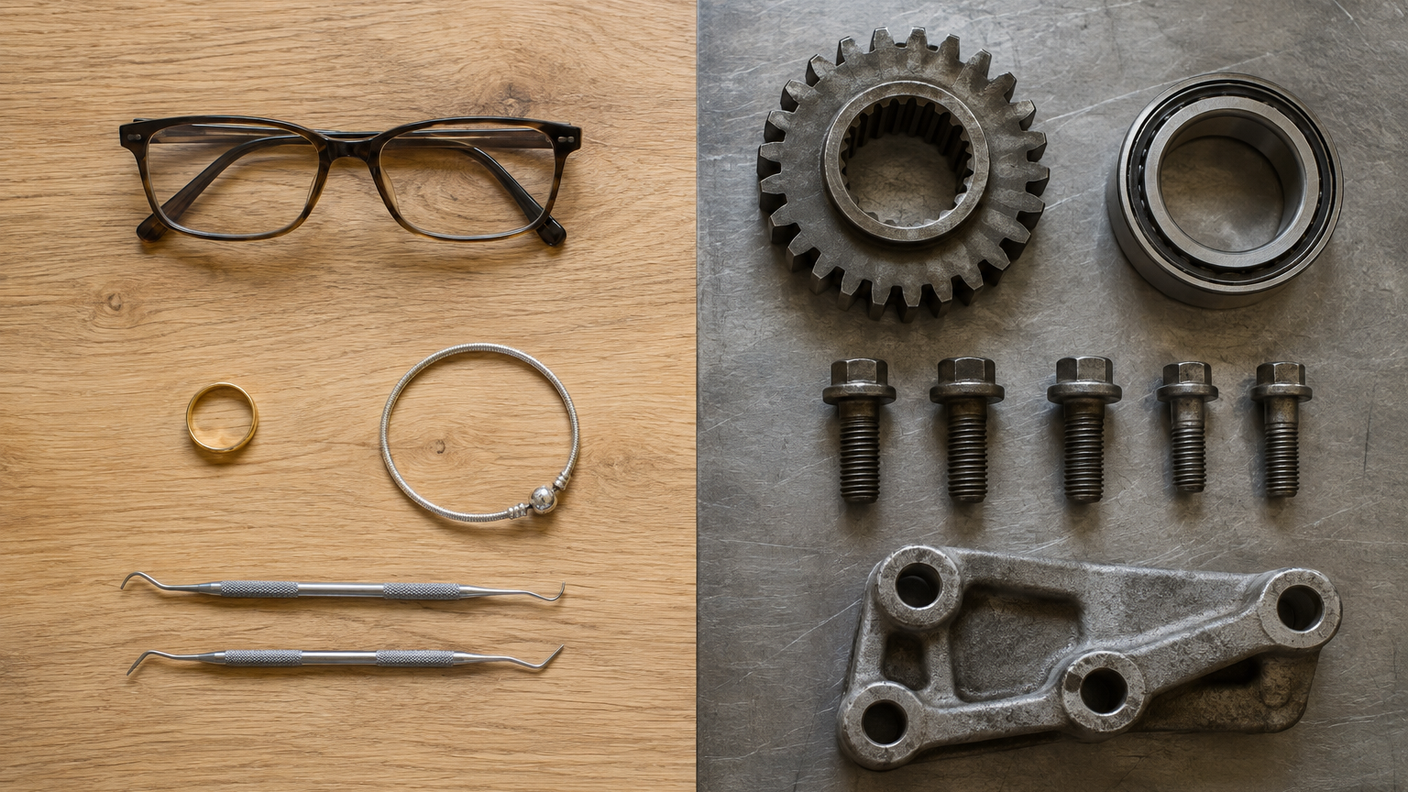
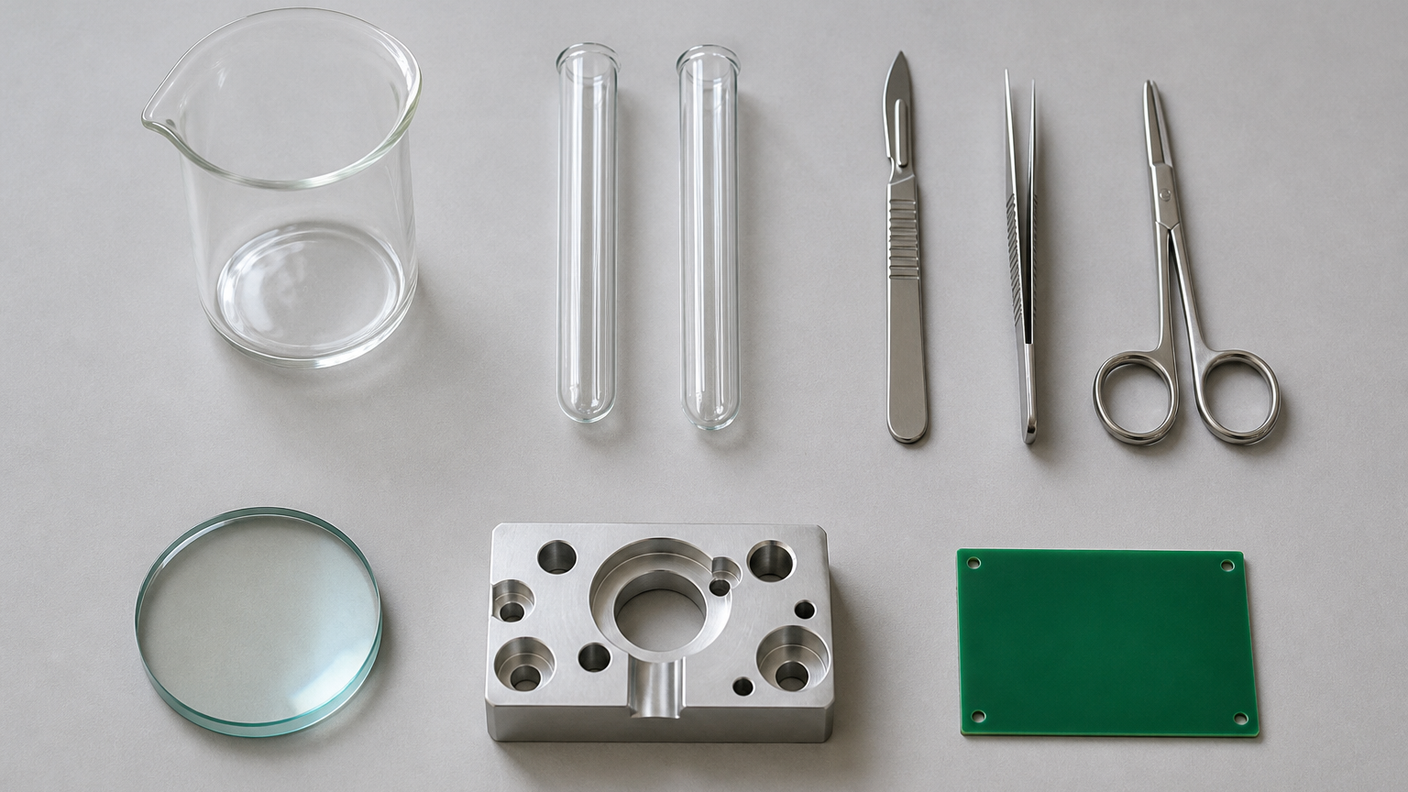
Mainly used in machinery, electronics, optics, medicine, electroplating, painting and pre-treatment of vacuum coating. It is especially suitable for parts with complex surface shapes, such as cleaning of slits, grooves, deep holes and boring on precision workpieces, and at the same time cleaning off the surface oil, rust and oxide skin. Especially for the pharmaceutical industry, the cleaning effect of various glass and internal surgical instruments is the most ideal, not only can achieve the purpose of cleaning, but also can play a role in shattering various microorganisms and bacteria attached to the inner and outer walls of glassware to achieve cleaning and disinfection. .
There are many factors that affect the performance of ultrasonic cleaning machines, mainly as the following:
- Ultrasonic Power Density: The higher the power density, the stronger the cavition effect , the better the cleaning effect, and the faster the cleaning speed. High power density should be used for difficult-to-clean workpieces and low power density for precision workpieces.
- Ultrasonic frequency: The lower frequency, the better cavity. The higher the frequency, the better the anti-reflection effect. Low frequency should be used for simple surfaces, and high frequency should be used for complex surfaces and deep blind holes.
- Cleaning temperature: The cavity is best when the ultrasonic wave is between 40 ° C and 50 ° C. The higher temperature, the more conducive to the decomposition of dirt; but when the temperature reaches 70 ° C ~ 80 ° C, it will affect the ultrasonic effect, reducing the cleaning effect.
- Cleaning time: The longer the cleaning time, the better the effect, except for special materials.
- Type of cleaning solution (medium): According to the different items, choose different parameters to achieve the best cleaning effect.