Do ultrasonic cleaners really work?
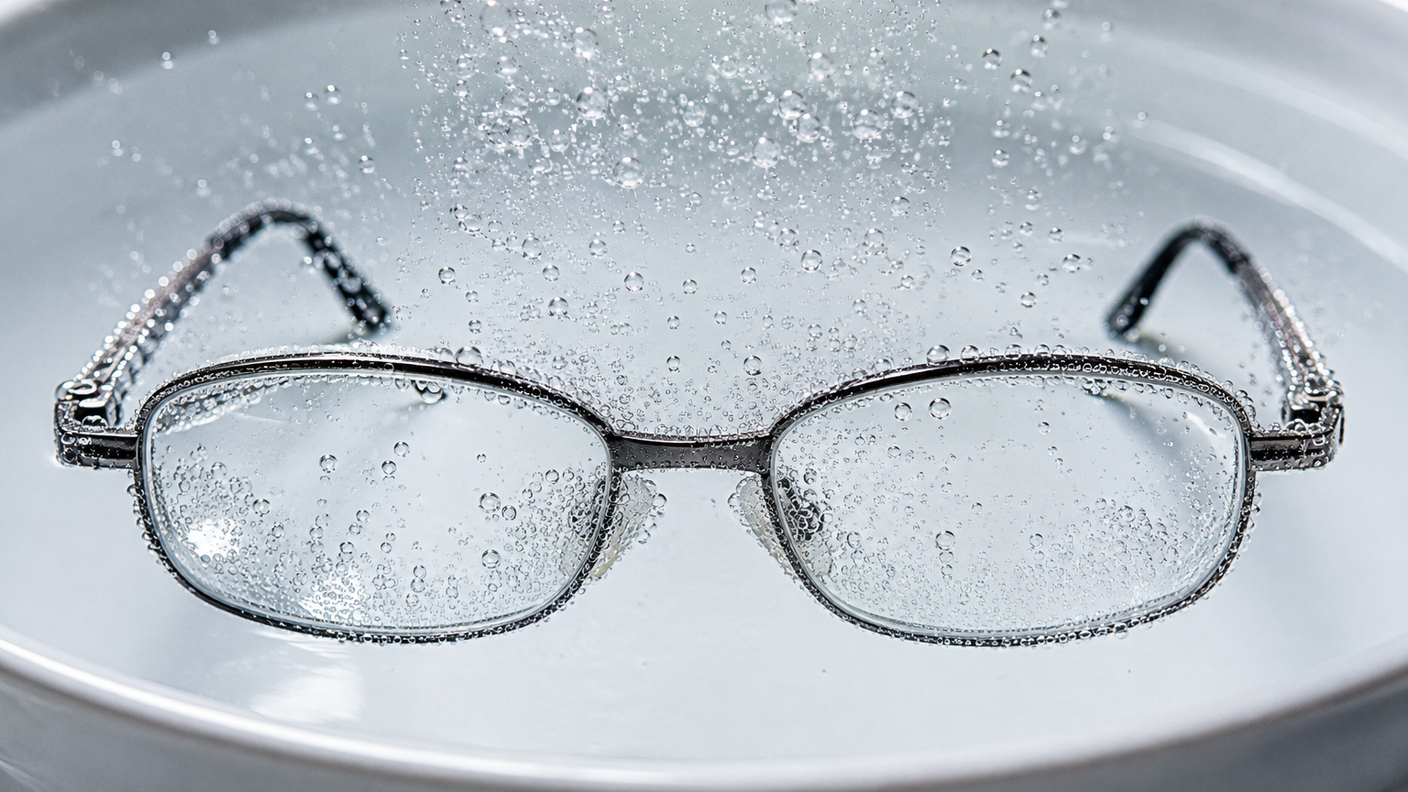
Many buyers ask whether ultrasonic cleaning really works. Among all cleaning methods it has a decisive advantage, and it has steadily replaced soaking, scrubbing, pressure jetting, vibratory cleaning and steam cleaning. Ultrasonic energy reaches complex geometries, internal cavities and fine bores that other methods cannot. Typical degreasing, rust-prevention and phosphating steps that once took far longer are finished in two to three minutes — several times to several dozen times faster than conventional methods, and to a far higher standard of cleanliness. Because the sound waves travelling through the liquid combine penetration with cavitation shock waves, ultrasonic cleaning delivers throughput and cleanliness at the same time, which is why it is now standard in specialised, high-volume production plants.
The benefits of ultrasonic cleaning
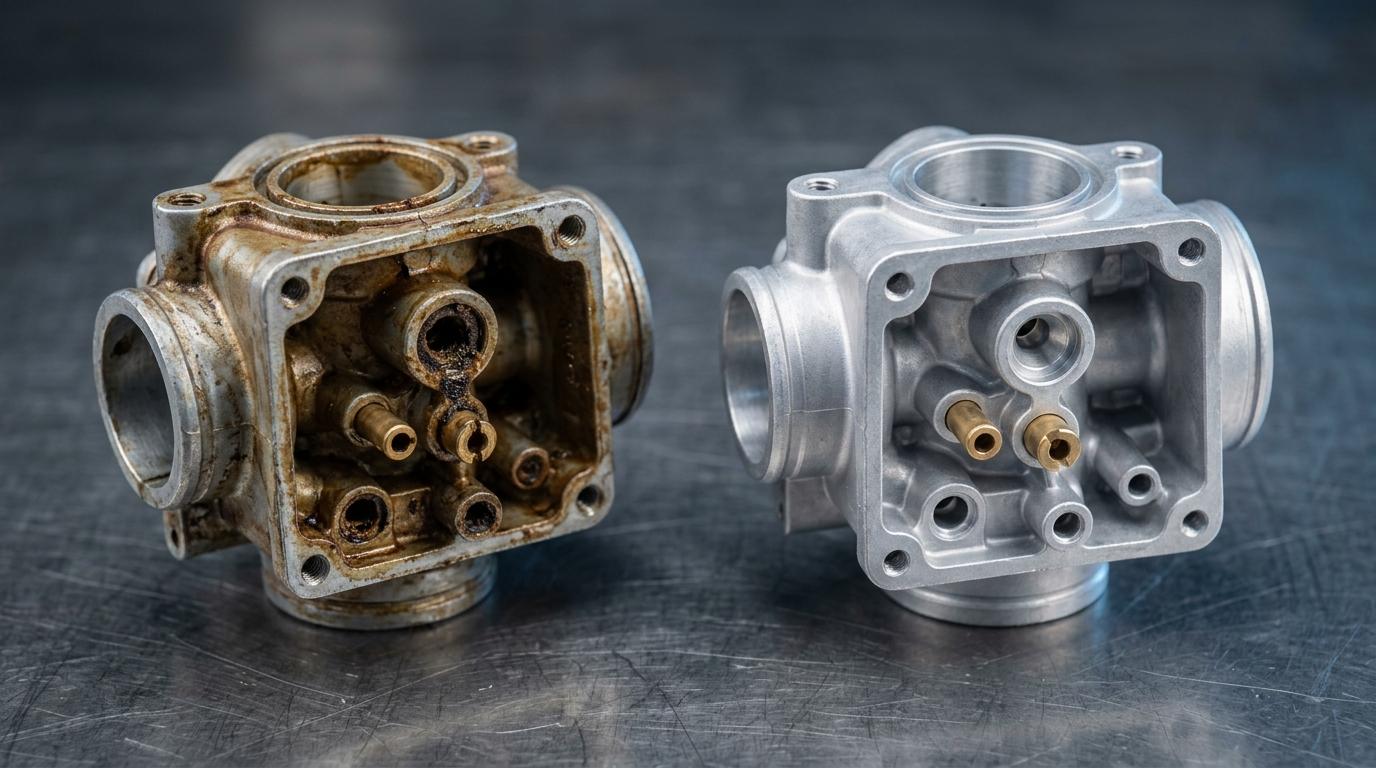
- Thoroughly clean: under a microscope, pits, machining marks and thread roots on the workpiece surface all come out clean.
- Fast: 10 to 20 times more productive than immersion cleaning, and 20 % to 50 % more productive than spray cleaning.
- No dead corners: unlike spray cleaning, ultrasonics reach every surface, so it suits workpieces with complex internal and external structures, uneven micro-surfaces, narrow slots, small holes, corners and densely packed components.
- No distortion, no scattering: unlike spray cleaning, thin sheet parts and very small workpieces are neither deformed nor blown out of the basket.
- Wide process range: degreasing, soil removal, derusting, descaling, passivating and neutralising.
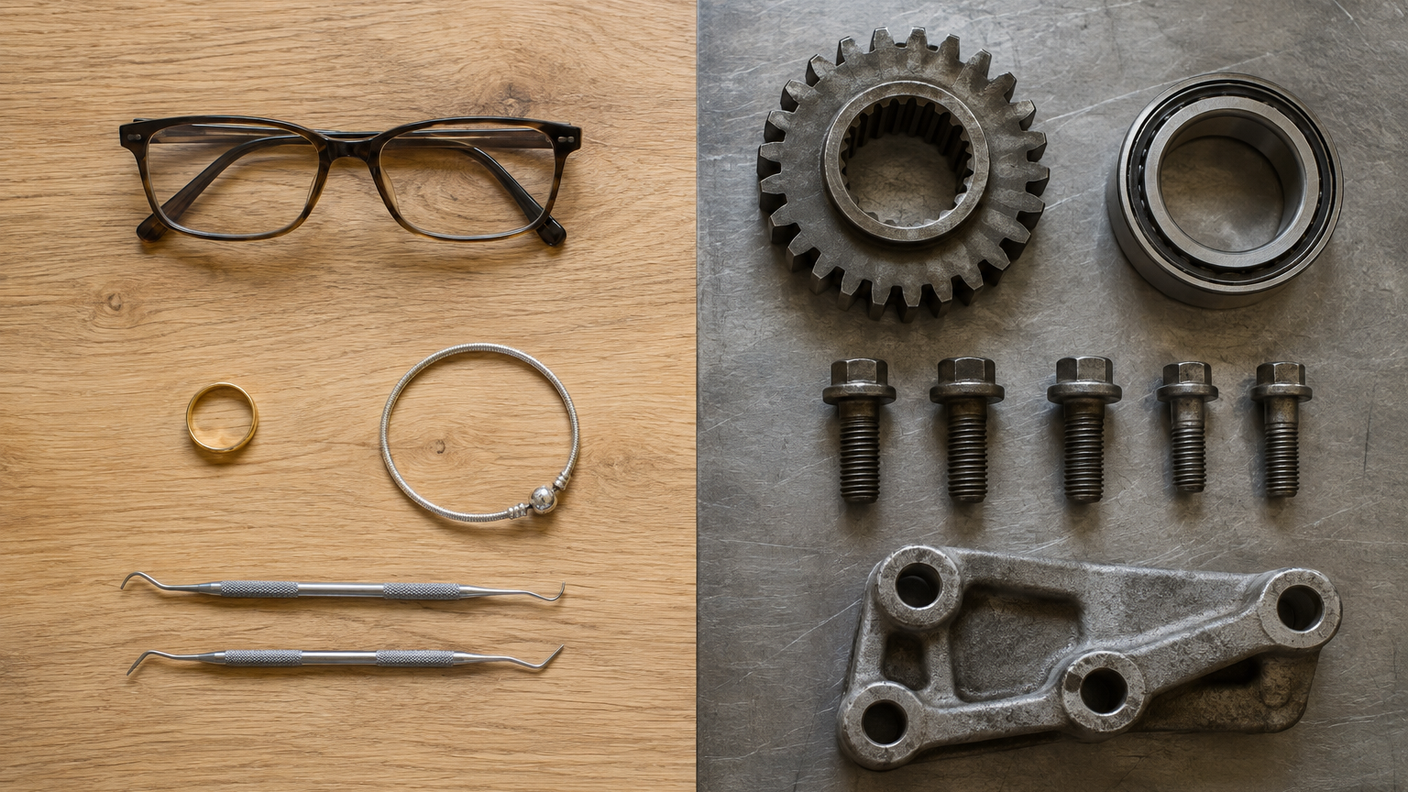
- Wide material range: steel, cast iron, stainless steel, copper, aluminium, glass, circuit boards, electronic and optical components.
- Lower cost: less solvent, less floor space and less labour.