

Ultrasonic Cleaning Solutions for Electronic Parts and Precision Components
Electronic Parts Cleaning Challenges: Oil, Flux Residue, Fine Particles, and Hard-to-Reach Areas
Electronic parts and precision electronic components often require a high level of cleanliness after machining, stamping, assembly, coating, or maintenance. Common contaminants include flux residue, machining oil, grease, polishing compounds, dust, and microscopic particles. These residues may remain on the surface, inside blind holes, between narrow gaps, or around complex geometries, where manual cleaning is often inconsistent.
If contaminants are not removed effectively, they may affect conductivity, product appearance, downstream assembly, coating performance, packaging quality, or long-term reliability. For manufacturers of electronic parts, cleaning is not only a finishing step — it is an important part of quality control and process stability.
Why cleaning consistency matters in precision electronics manufacturing
In precision electronics manufacturing, inconsistent cleaning can lead to variation between batches, higher defect risk, and additional manual rework. As parts become smaller and more complex, manufacturers need a cleaning method that can deliver repeatable results without damaging delicate surfaces. This is why many factories evaluate ultrasonic cleaning when they need both precision and productivity.
Suitable Electronic Parts, Common Contaminants, and Typical Production Scenarios
Ultrasonic cleaning solutions for electronic parts can be used across a wide range of precision manufacturing applications. The actual cleaning process depends on the part design, contamination condition, and required cleanliness standard.
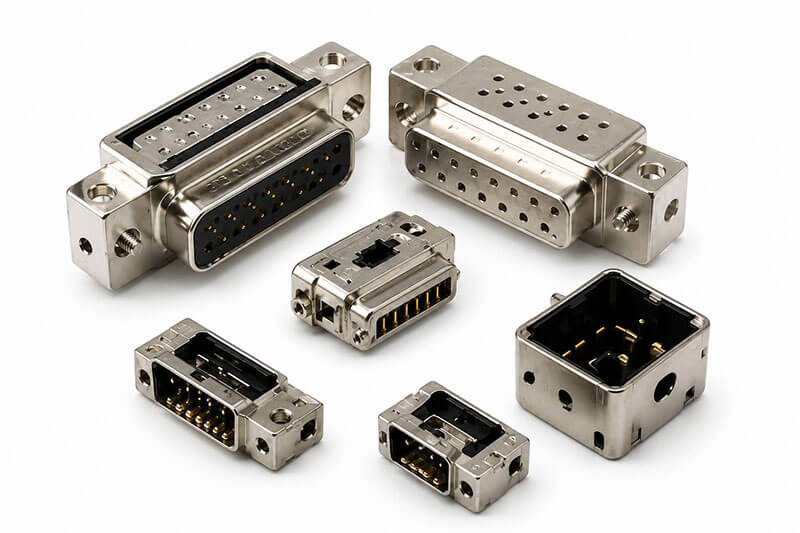
Removes oil, oxides, and machining residues from contact points, ensuring reliable connection and signal quality.
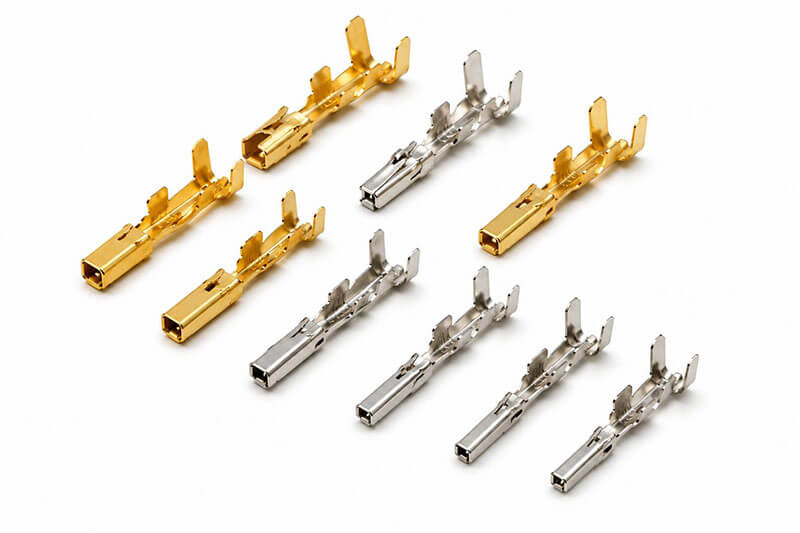
Removes oil and powder residues from stamping processes, improving plating adhesion and contact reliability.
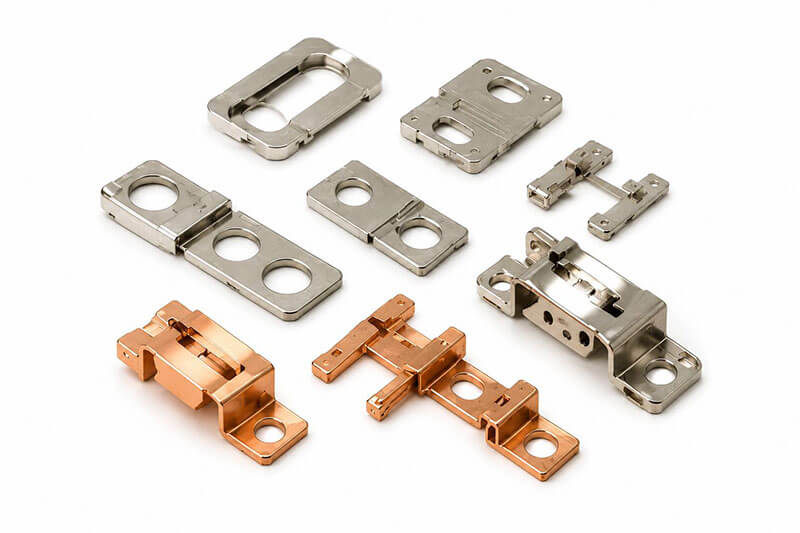
Removes oil, metal particles, and flux residues, improving soldering reliability and ensuring clean surface finish.
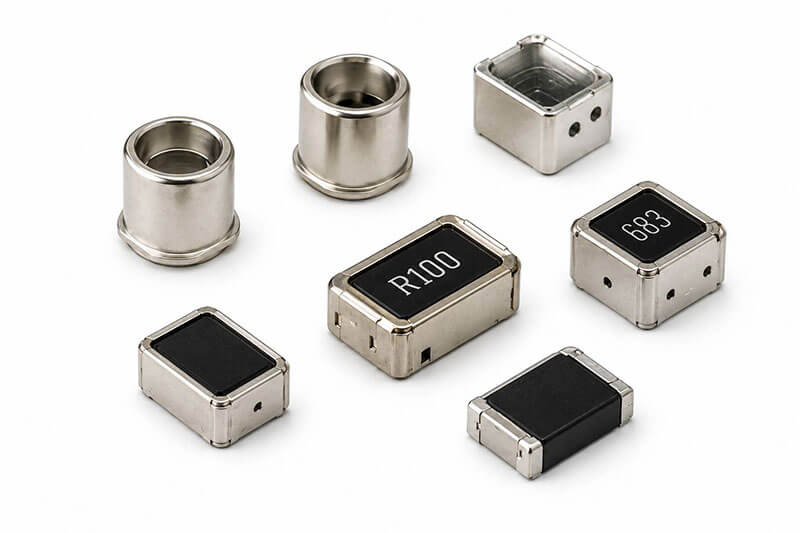
Removes microscopic residues, flux, and machining residues, ensuring stable performance and reliability.
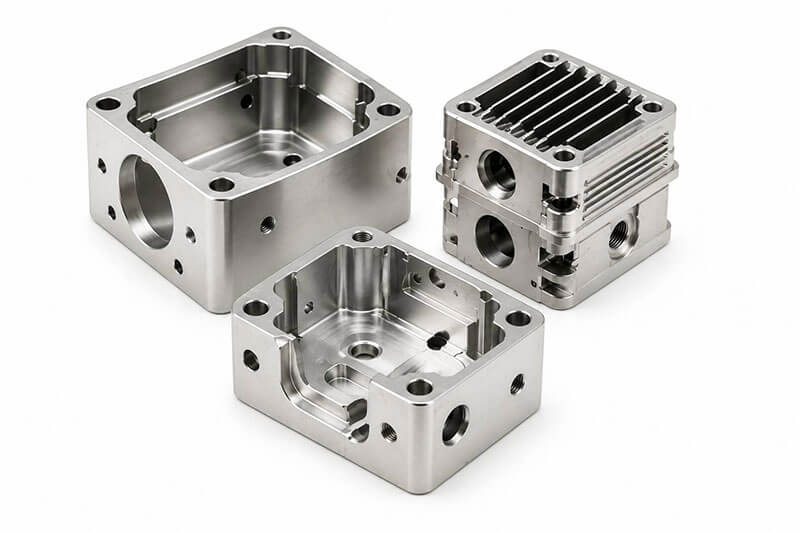
Removes cutting oil, metal powder and machining residues, improving surface finish and product quality.
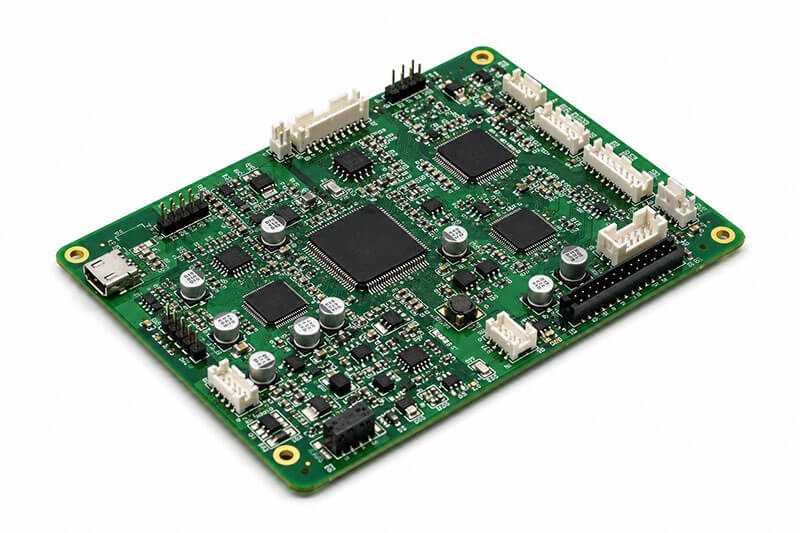
Removes flux residues, solder, and particles, preventing electrical issues and corrosion.
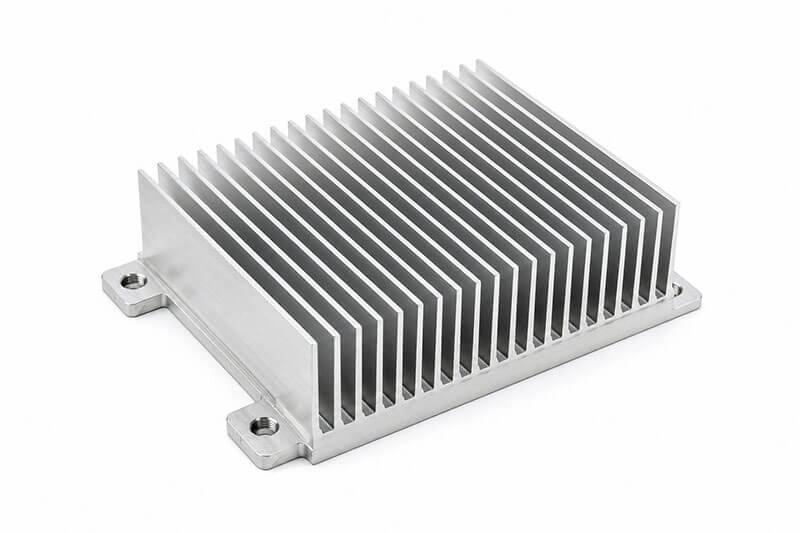
Removes oil and machining residues, enhancing heat dissipation efficiency and product stability.
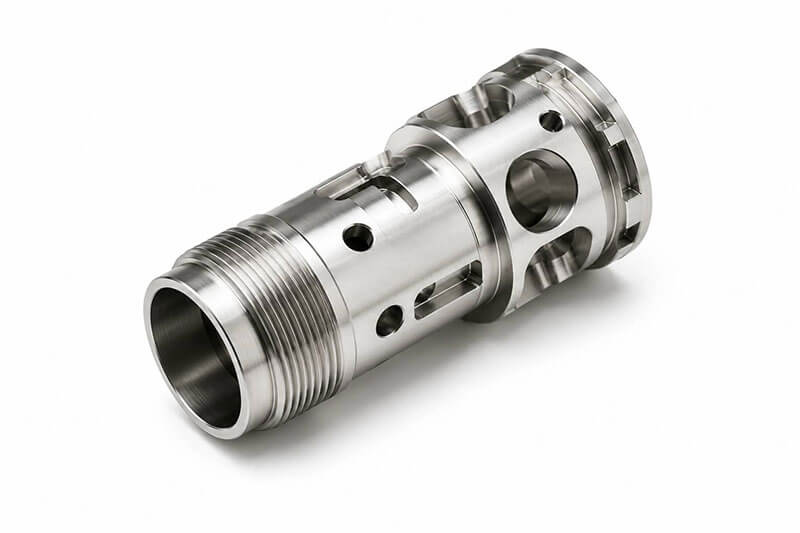
Ultrasonic waves penetrate through holes, slits, and deep structures, achieving uniform and thorough cleaning.
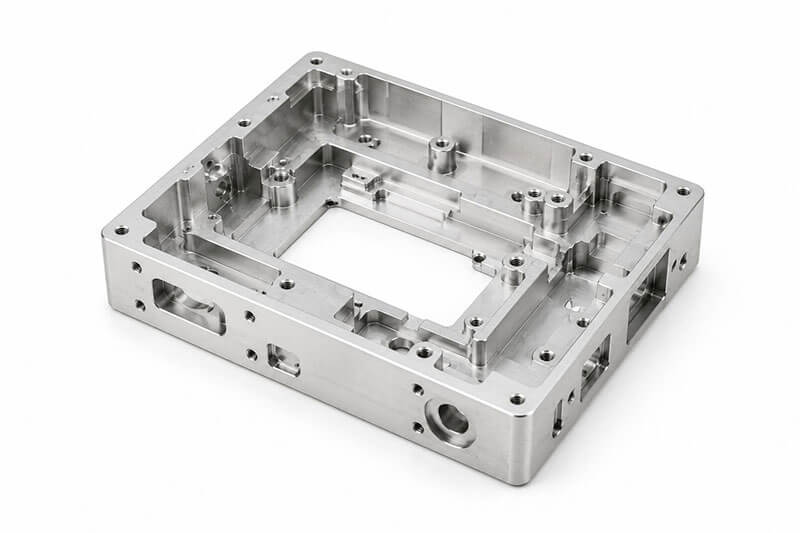
Removes flux and oils from assembly processes, ensuring product quality and reliability.
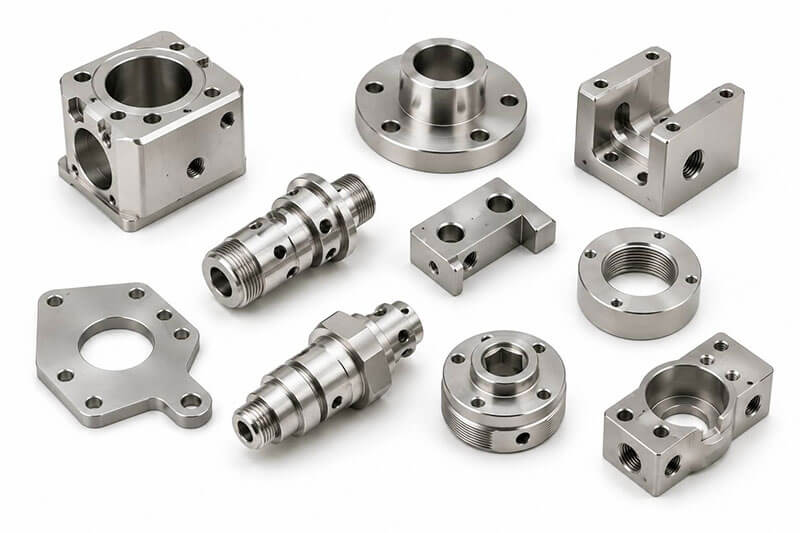
Suitable for cleaning various precision metal parts, improving overall cleanliness and assembly yield.
Why Ultrasonic Cleaning Is Suitable for Electronic Parts and Precision Components
Ultrasonic cleaning is widely used for electronic parts because it can remove contaminants from complex shapes, narrow spaces, grooves, and recessed surfaces more effectively than many conventional cleaning methods. High-frequency sound waves create cavitation in the cleaning liquid, helping loosen and remove residue from areas that are difficult to clean by hand.
For many electronic components, ultrasonic cleaning offers a practical balance between cleaning performance, efficiency, and surface protection. When the system is properly configured, it can provide deep and uniform cleaning for precision parts while reducing the limitations of manual cleaning.
Key advantages of ultrasonic cleaning for electronic parts
- Deep cleaning for narrow gaps, corners, and intricate geometries
- Better consistency for batch cleaning and repeat production
- Reduced manual labor and lower dependence on operator technique
- Improved removal of oil, flux residue, dust, and fine particles
- Suitable for precision parts when frequency, power, and process conditions are correctly selected

Why manufacturers choose ultrasonic cleaning over manual cleaning
Manual cleaning may be acceptable for simple parts, but it often becomes less effective when the part geometry is complex or the contamination is difficult to remove. Ultrasonic cleaning helps manufacturers improve cleaning uniformity, reduce handling variation, and support higher production efficiency for electronic parts and precision components.
Custom Ultrasonic Cleaning Solutions for Electronic Parts from LEO Ultrasonic
LEO Ultrasonic provides customized ultrasonic cleaning solutions for electronic parts based on part geometry, material, contamination type, cleanliness target, and production capacity. Instead of offering only one standard configuration, LEO can help customers evaluate the application and recommend a suitable cleaning system for real production conditions.
Depending on the process requirement, LEO can provide standalone machines or customized systems that include multiple cleaning stages and supporting functions. This allows manufacturers to select a solution that matches both current needs and future expansion plans.
Below are LEO Ultrasonic’s cooperative application cases for electronic parts cleaning. The actual equipment configuration and cleaning workflow can be customized according to part characteristics, contamination type, and production capacity requirements.
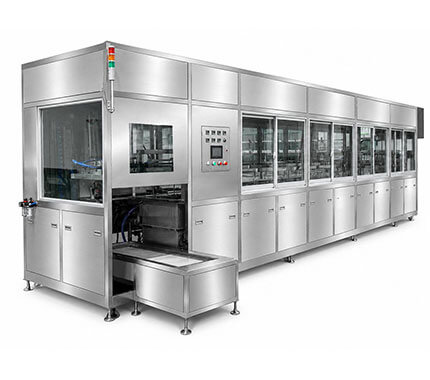
9-Tank Fully Automatic Ultrasonic Cleaning Line
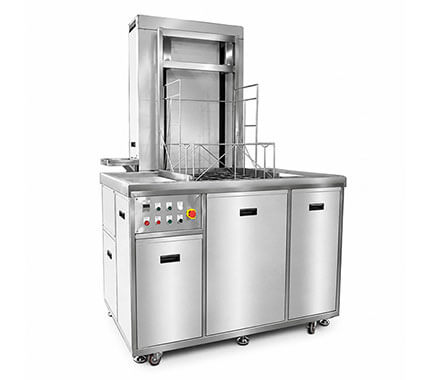
Automatic lifting ultrasonic cleaning machine
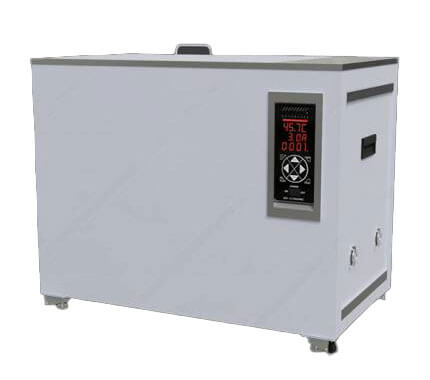
Intelligent integrated single tank ultrasonic cleaning machine
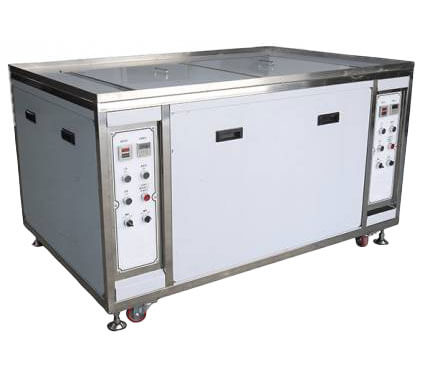
Double-tank ultrasonic washing machine
LEO ultrasonic cleaning system options may include
- Single-tank ultrasonic cleaning machines
- Double Multi-tank ultrasonic cleaning systems
- Heating function for improved cleaning performance
- Rinsing and drying sections for complete cleaning workflows
- Custom baskets and fixtures for delicate or small parts
- Frequency and power adjustment based on part characteristics
- Semi-automatic or automated system integration
- OEM / ODM and application-based system customization
Why customization matters for precision electronic parts
Different electronic parts require different cleaning conditions. A connector, stamped conductive part, machined housing, or assembly component may each require a different tank size, cleaning frequency, process time, fixture design, or drying method. Customization helps ensure the cleaning system is aligned with the actual product and production process rather than relying on a one-size-fits-all approach.
Request a Custom Ultrasonic Cleaning Solution for Electronic Parts
If you are looking for an ultrasonic cleaning machine for electronic parts, connectors, stamped components, or other precision electronic applications, LEO Ultrasonic can help evaluate your cleaning requirements and recommend a suitable solution.
To help speed up evaluation, you can provide the following information:
- Part material
- Part dimensions
- Type of contamination
- Required cleanliness level
- Production capacity or batch size
- Whether rinsing, drying, or automation is required
Contact LEO Ultrasonic to discuss your electronic parts cleaning process and get a customized ultrasonic cleaning solution for your application.
FAQ: Ultrasonic Cleaning for Electronic Parts
Yes, ultrasonic cleaning can be safe for many electronic parts when the system is designed correctly. The cleaning frequency, power, temperature, liquid, and fixture design should be selected according to the material, geometry, and sensitivity of the part.
Ultrasonic cleaning is commonly used to remove flux residue, oil, grease, dust, polishing compounds, metal chips, and fine particles from electronic parts and precision components.
Yes. One of the main advantages of ultrasonic cleaning is its ability to clean blind holes, grooves, recessed areas, and complex geometries that are difficult to clean manually.
Not necessarily. When the cleaning process is properly configured, ultrasonic cleaning can provide effective cleaning while helping reduce the risk of damage. Application evaluation is important for sensitive or delicate parts.
Useful information includes:
- Part material
- Part dimensions
- Contamination type
- Cleanliness requirement
- Production volume
- Whether heating, drying, or automation is needed
Samples or drawings can also help improve evaluation accuracy.
Yes. LEO can customize tank size, system configuration, frequency, power, basket design, heating, drying, and workflow integration based on the customer's application and production needs.
It depends on the cleaning requirement. A single-tank system may be suitable for basic cleaning applications, while higher cleanliness standards or more complex workflows may require rinsing, drying, or multi-stage cleaning.
Yes. Depending on the production process, ultrasonic cleaning equipment can be designed as a standalone unit, semi-automatic workstation, or part of an integrated production line.