Food Processing & Commercial Kitchens
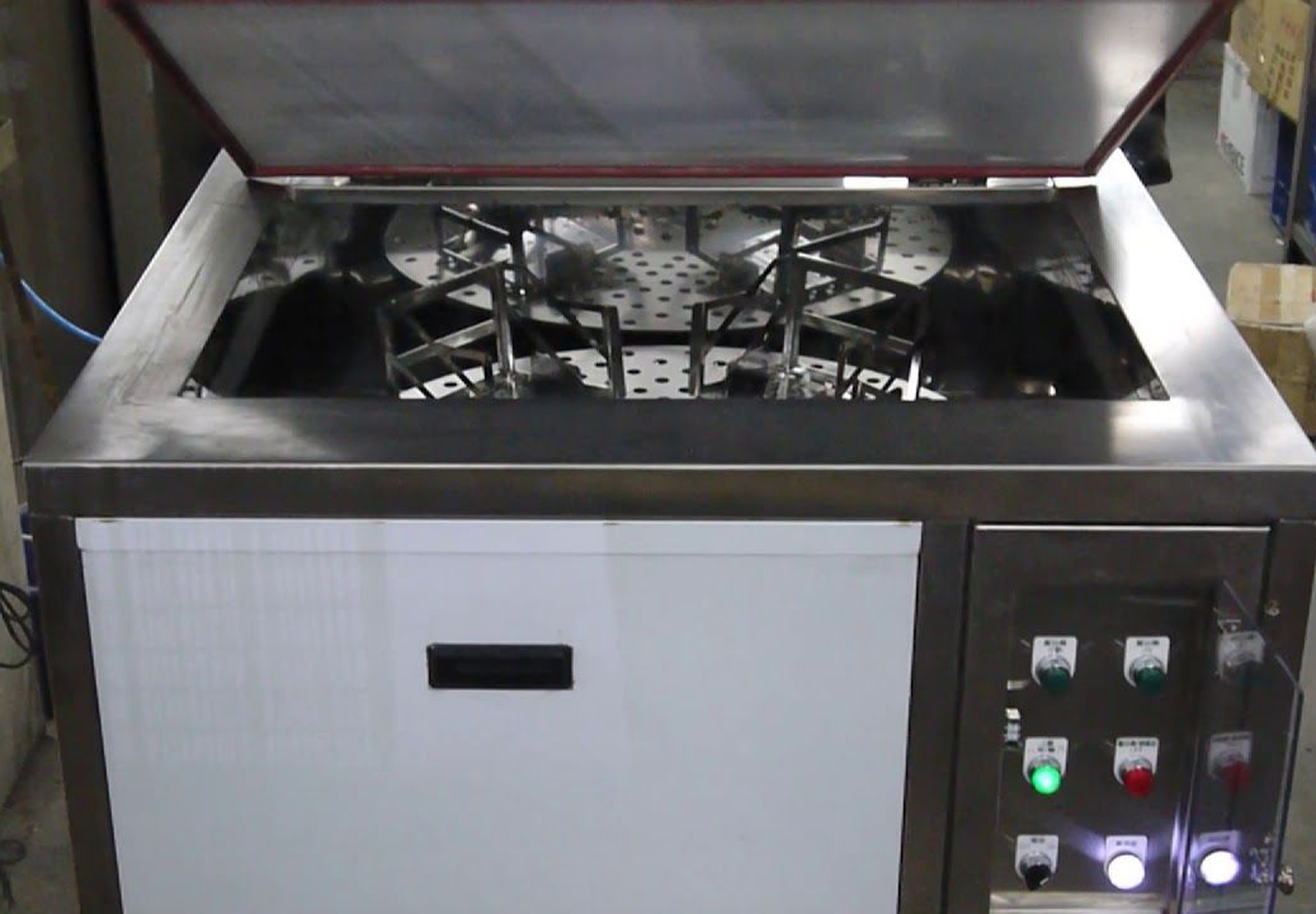
Commercial Ultrasonic Dishwasher - Cleaning Cake Molds for the Baking Industry
- Industry
- Food Processing & Commercial Kitchens
Challenge
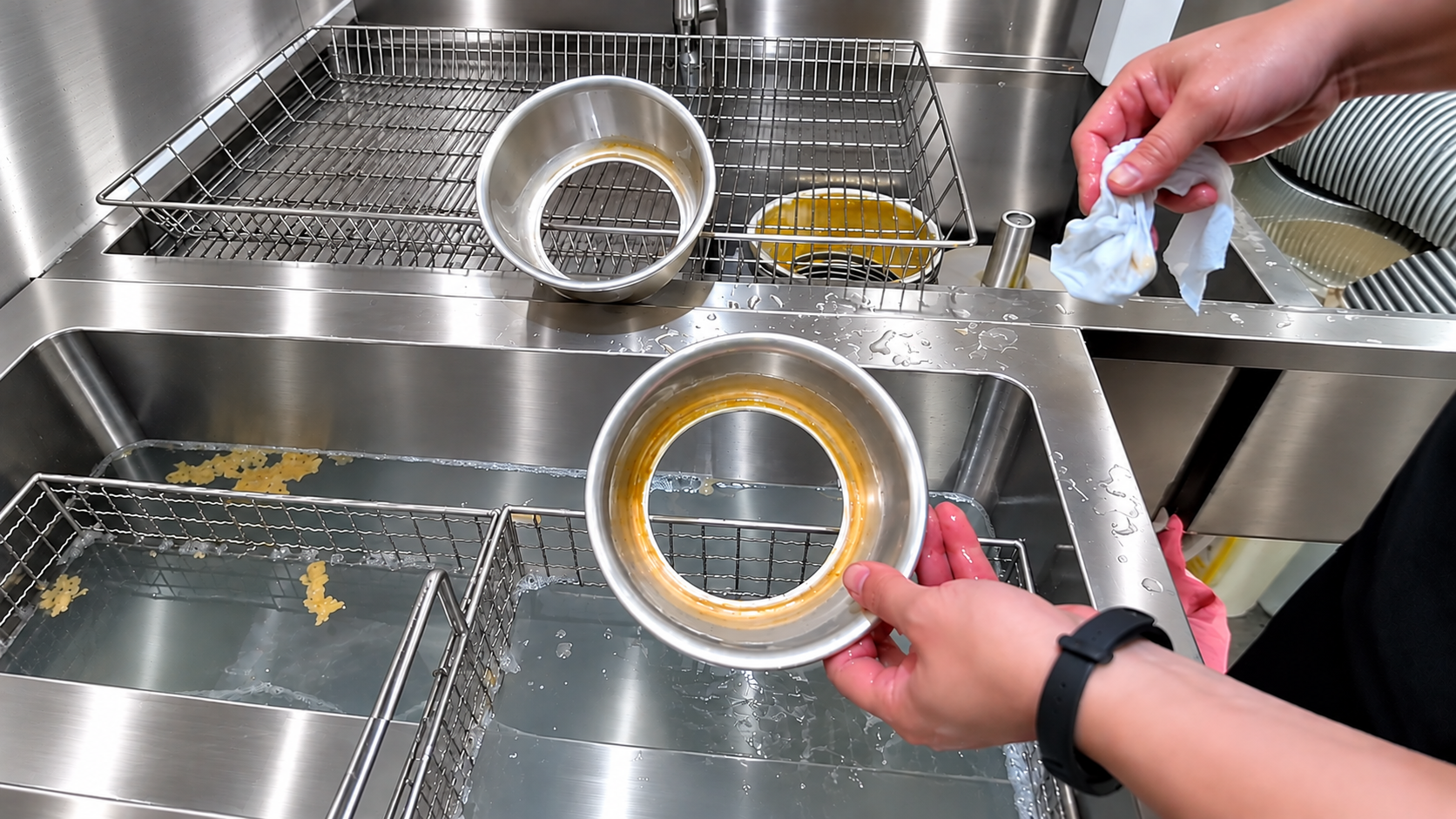
Cleaning baking tins has always been the bane of the bakery trade: scrubbing and scraping risk damaging the surface, and a damaged surface only holds residue more stubbornly next time. So how can mould cleaning be made easy? Ultrasonic cleaning solves the problem.
Solution
How should baking moulds be cleaned?
Cleaning baking tins has always been the bane of the bakery trade: scrubbing and scraping risk damaging the surface, and a damaged surface only holds residue more stubbornly next time. So how can mould cleaning be made easy? Ultrasonic cleaning solves the problem.
Five steps to clean baking moulds quickly in an ultrasonic dishwasher
- STEP 1: Pre-soak
Before machine cleaning, soak the moulds in hot water to soften the soil.
- STEP 2: Add water and detergent
Fill the ultrasonic dishwasher with the right amount of water, add detergent and switch it on.
- STEP 3: Load the moulds
Place the moulds in one by one, without overlapping them.
- STEP 4: Start the machine
With the moulds loaded, start the ultrasonic dishwasher and run it for about 10 to 15 minutes.
- STEP 5: Rinse and wipe
When the cycle finishes, wipe the soil away with a damp cloth — it comes off easily, so there is far less need for a brush that would damage the mould. Ultrasonic cleaning uses the high-frequency oscillation of the water molecules to loosen residue without scratching the mould surface. Rinse, wipe over lightly with a damp cloth, and the moulds are clean — no more slow, heavy manual scrubbing. This video shows the cleaning procedure we teach at handover. Get in touch if you have questions.
Learn about the ultrasonic dishwasher
Equipment
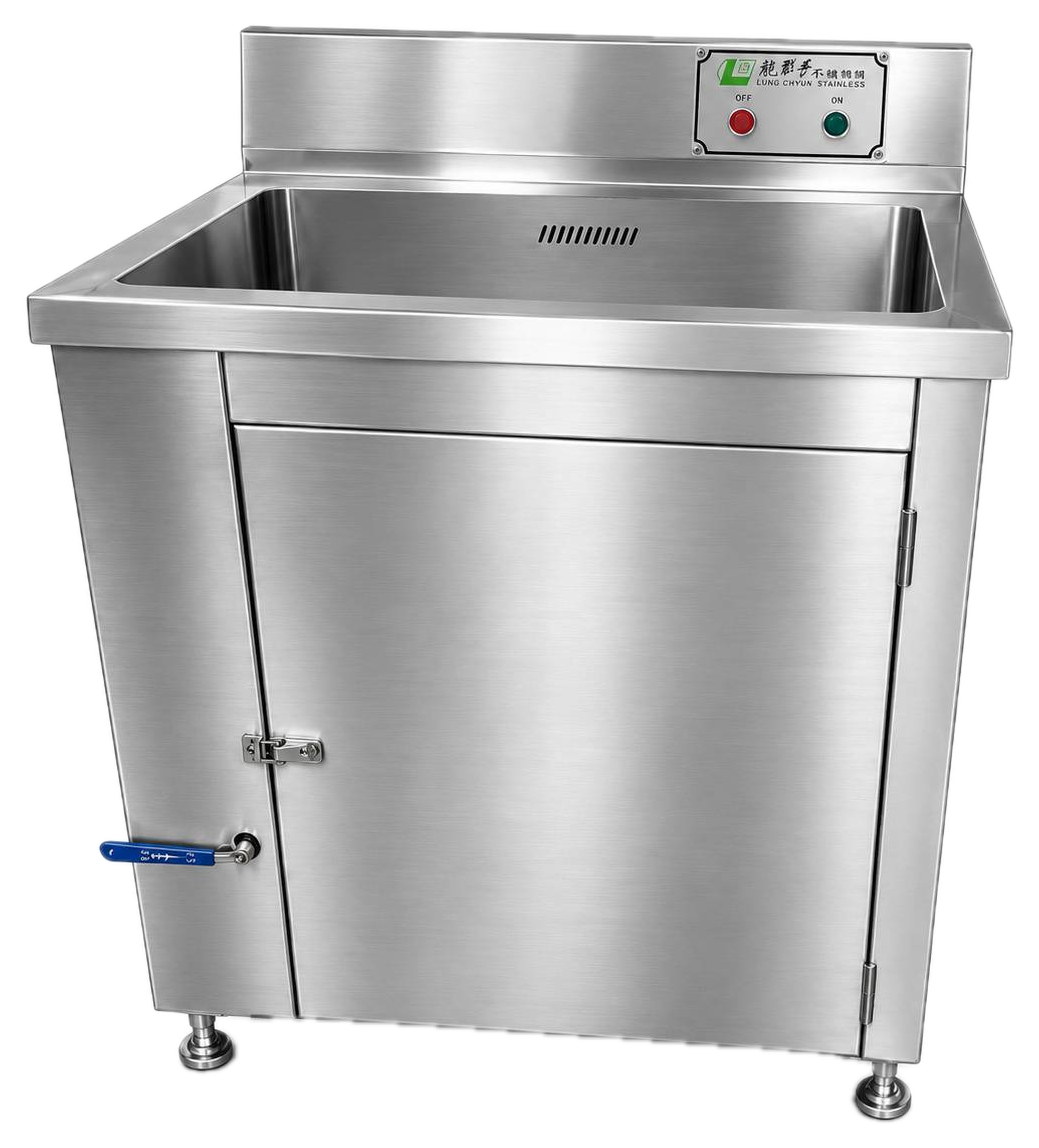
Equipment used
More case studies
Request a Quote
Tell us what you need cleaned
Send us the part, the contaminant and your cycle time. Our engineers size the tank, the frequency and the process chain — and reply with a sized specification for your line.